

Blogs Written by a Doctor of Physical Therapy
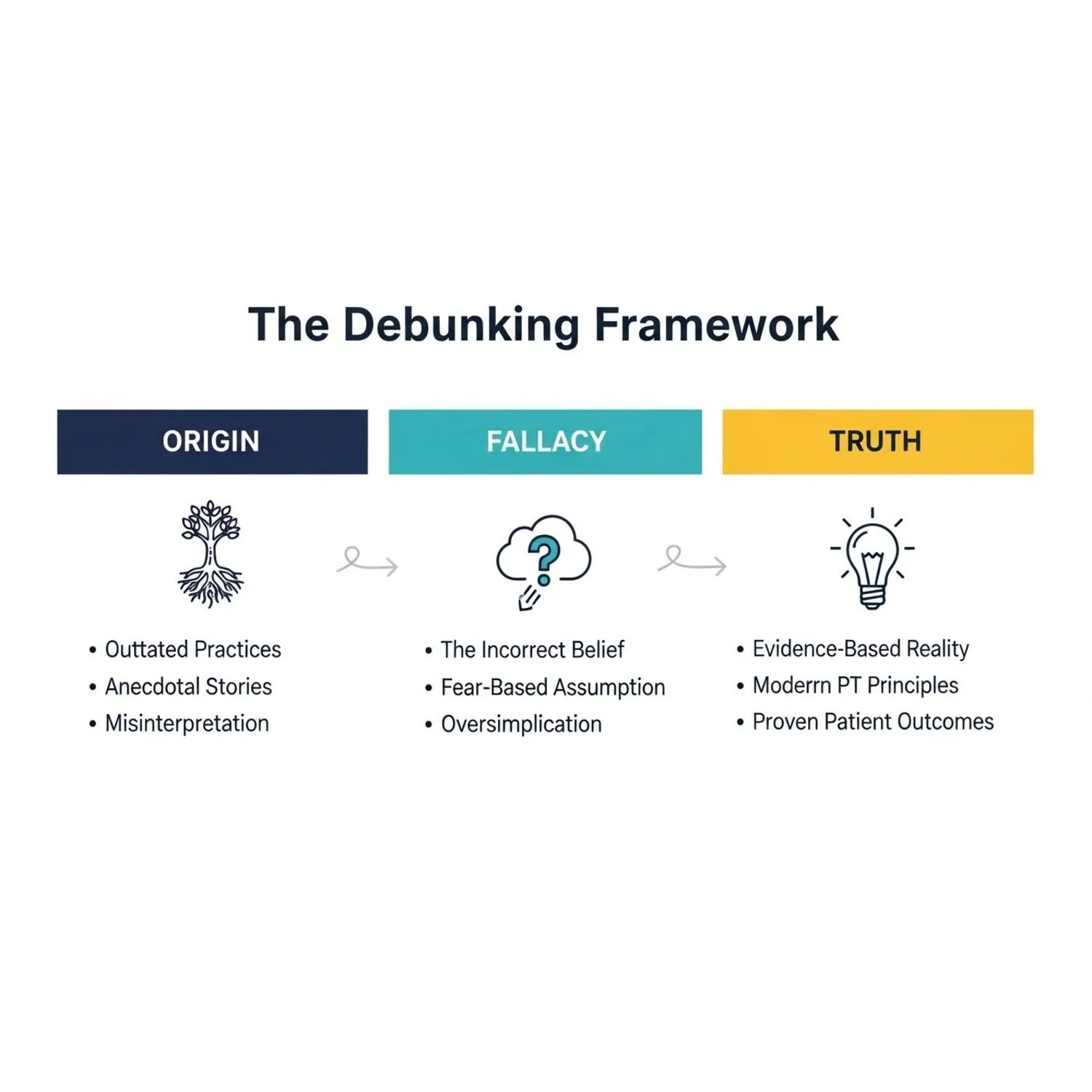
Physical Therapy Myths Debunked: What’s True About Recovery
Navigating healthcare advice today can feel overwhelming.
Everyone has an opinion and everyone has a story.
And when it comes to physical therapy… There's a lot of misinformation.
Some of it is outdated. Some of it is misunderstood. And some of it is just flat-out wrong.
The problem?
These myths don’t just confuse people; they delay recovery and keep people in pain longer than necessary.
Let’s clear that up.
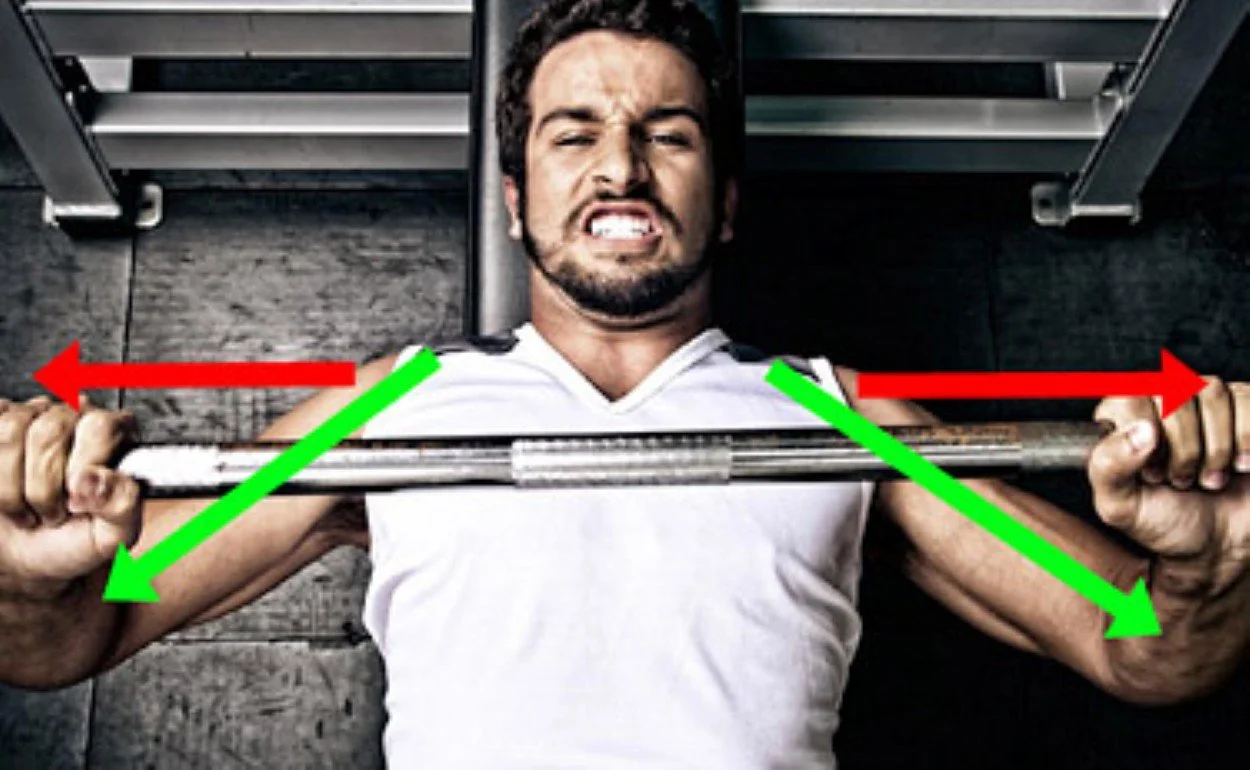
Prevent & Treat Bench Press Shoulder Pain in Hillsboro, OR
Bench press is one of the most popular strength-training exercises.
It is also one of the most common lifts associated with shoulder pain.
If benching has started causing pain, pinching, clicking, or weakness, you are not alone.
The good news?
Pain during bench press does not automatically mean you need surgery or that you have
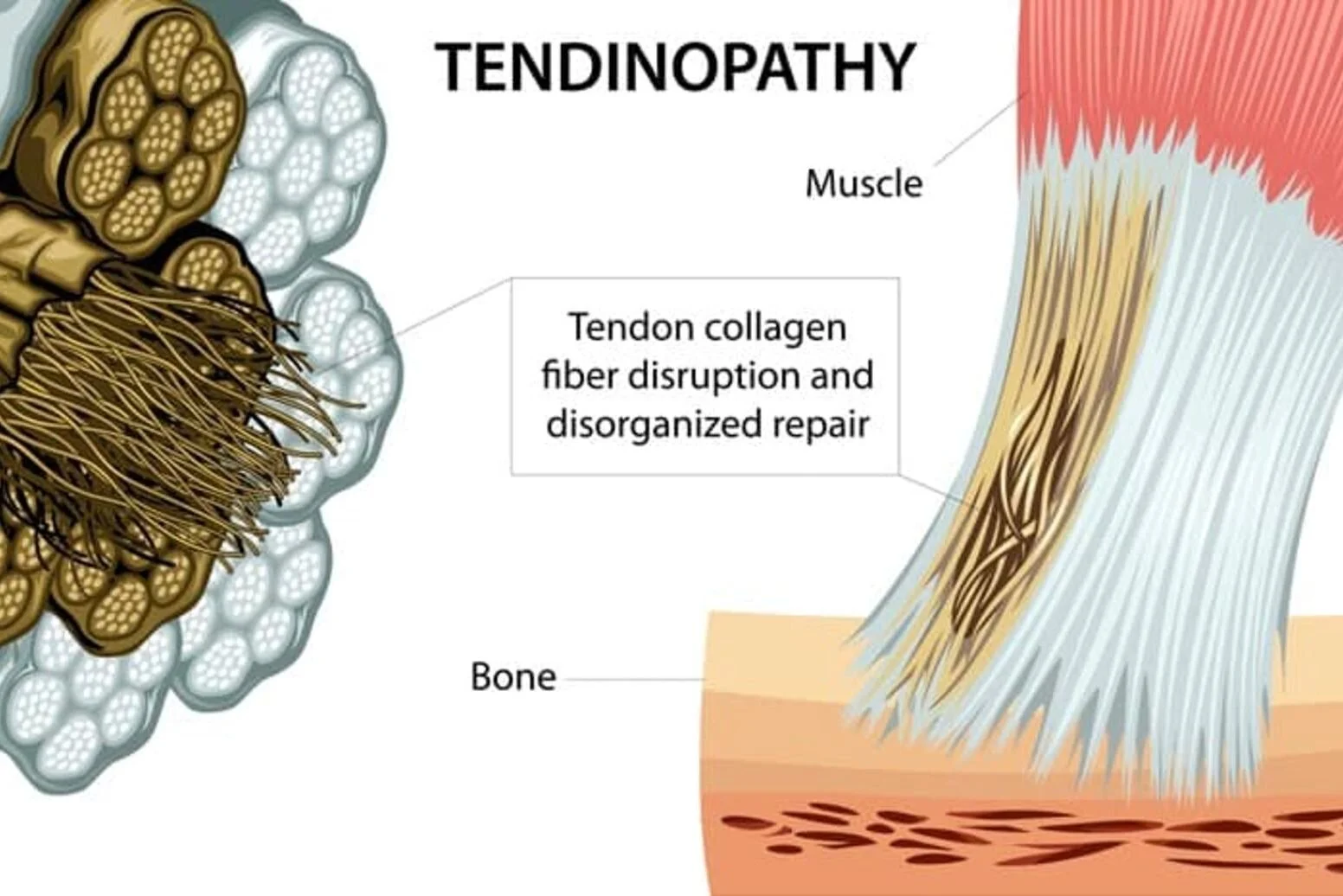
Why Tendon Pain Becomes “Stubborn” and Why Rest Alone Fails
Tendon pain has a frustrating personality.
It often starts subtly with a little stiffness, mild soreness, something that feels like it should resolve with rest. But weeks pass. Sometimes months. And despite backing off activity, stretching more, or “being careful,” symptoms linger.
This is where many people start asking:
“Why isn’t this healing?”
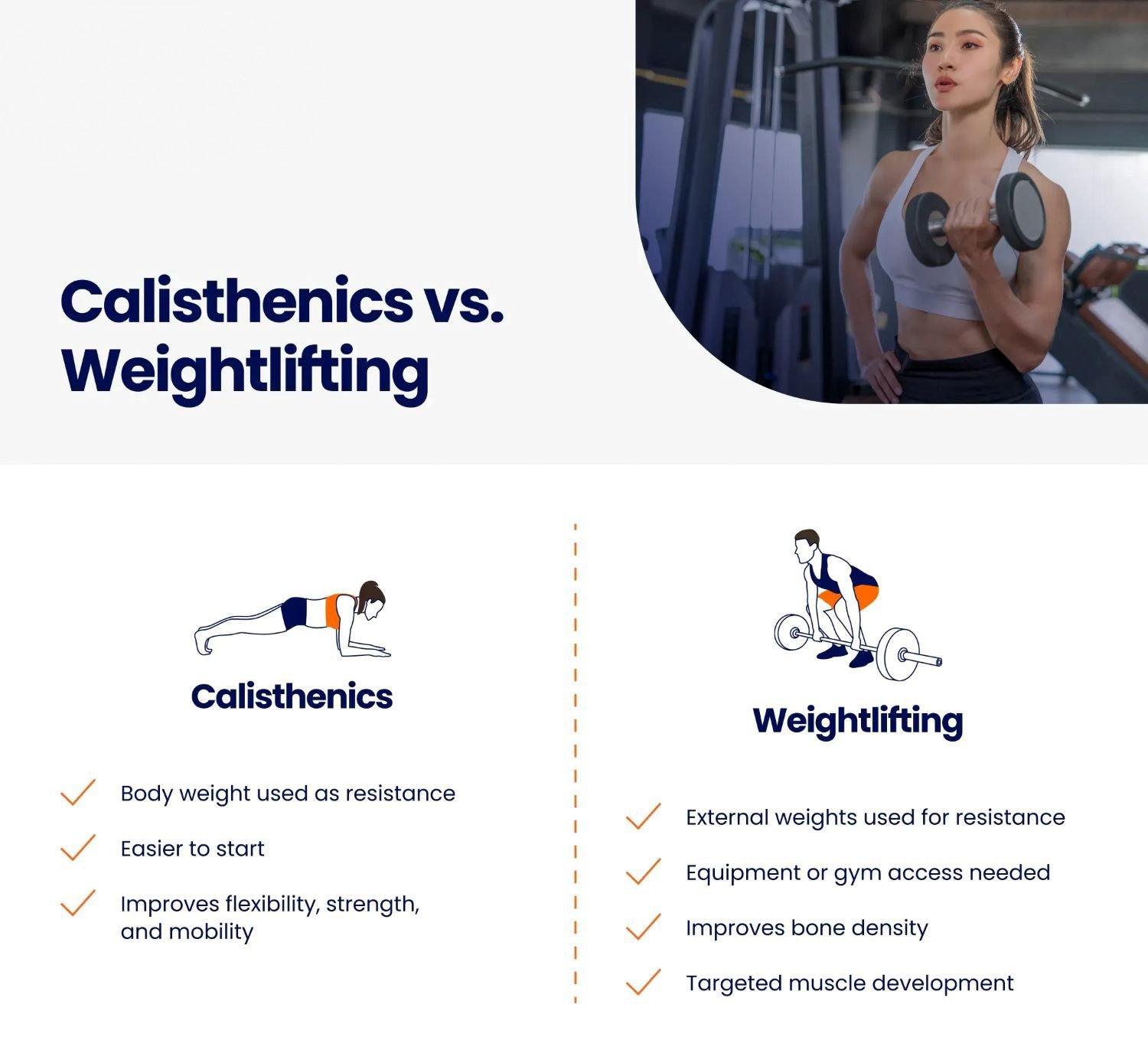
Calisthenics vs. Weights: What Your Body Actually Needs
“Should I be doing calisthenics or lifting weights?”
It’s one of the most common questions I hear.
And the honest answer?
You’re asking the wrong question.
Because this isn’t about choosing sides.
It’s about understanding what your body actually needs to move well, stay pain-free, and perform at a high level.
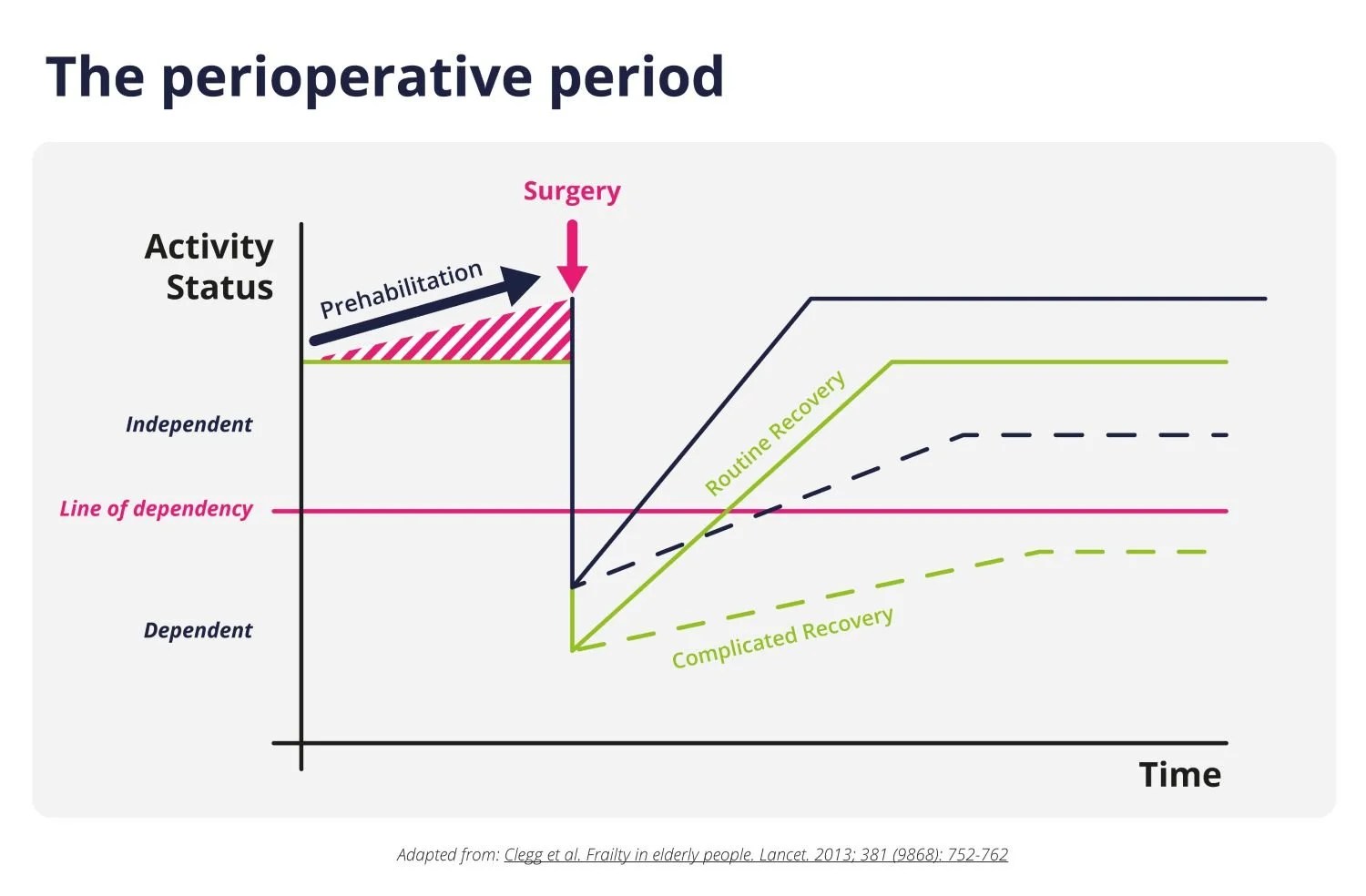
Build Strength With Prehab PT to Optimize Post-Op Recovery
Facing surgery can feel overwhelming.
Most people focus on what happens during surgery… but the biggest factor in your recovery actually starts before it ever happens.
It’s called prehabilitation (prehab), and it can dramatically change your outcome.
Faster recovery
Fewer complications
Better long-term results
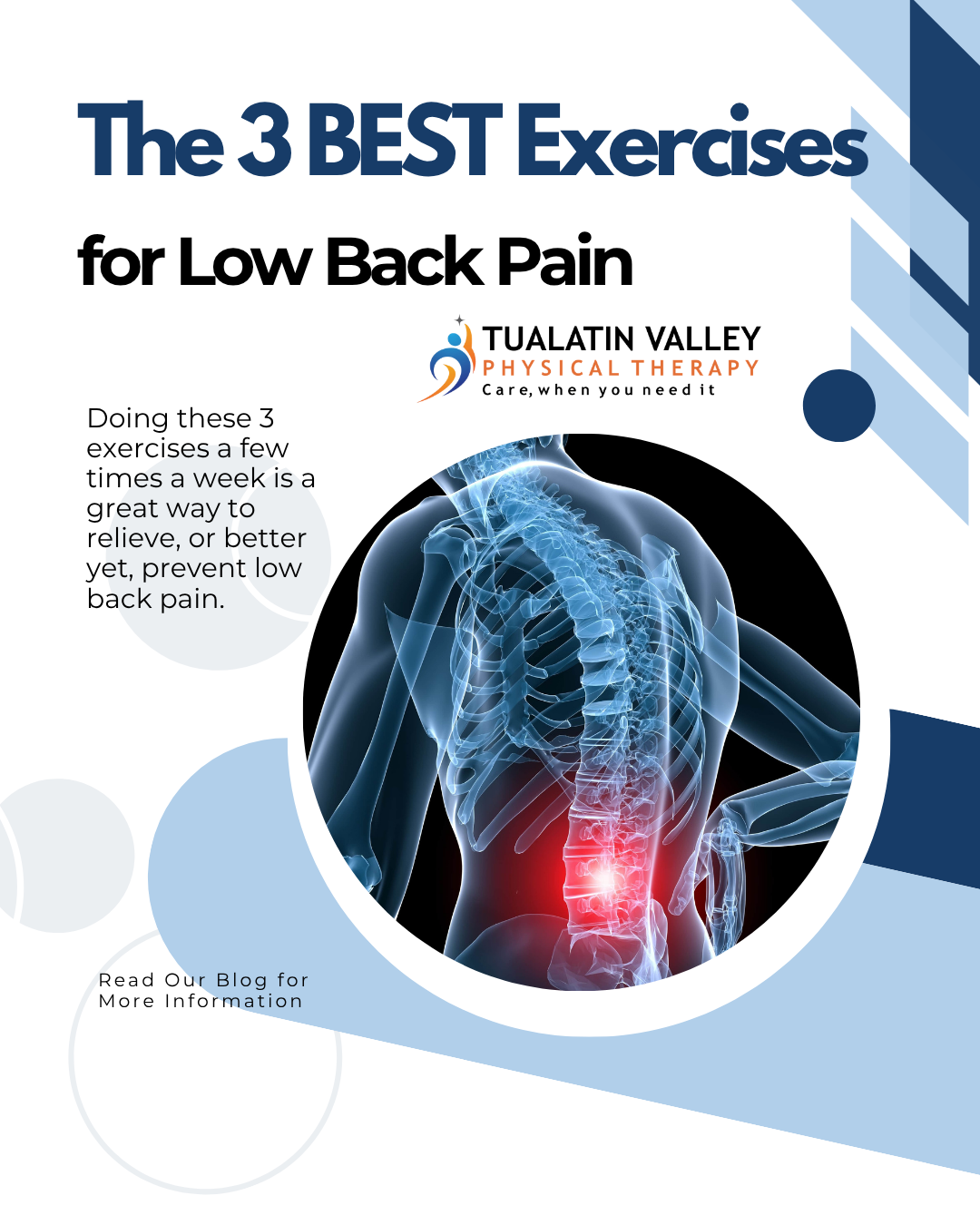
3 Essential Low Back Pain Exercises for Relief That Lasts
Low back pain isn’t just common; it’s one of the leading causes of disability worldwide, affecting hundreds of millions of people every year.
But here’s the problem:
Most people treat back pain with temporary fixes, such as rest, medication, or passive treatments, without ever addressing the root cause.
If you want lasting relief, you need something different. You need a strategy that builds resilience, restores movement, and strengthens your body for the long term.
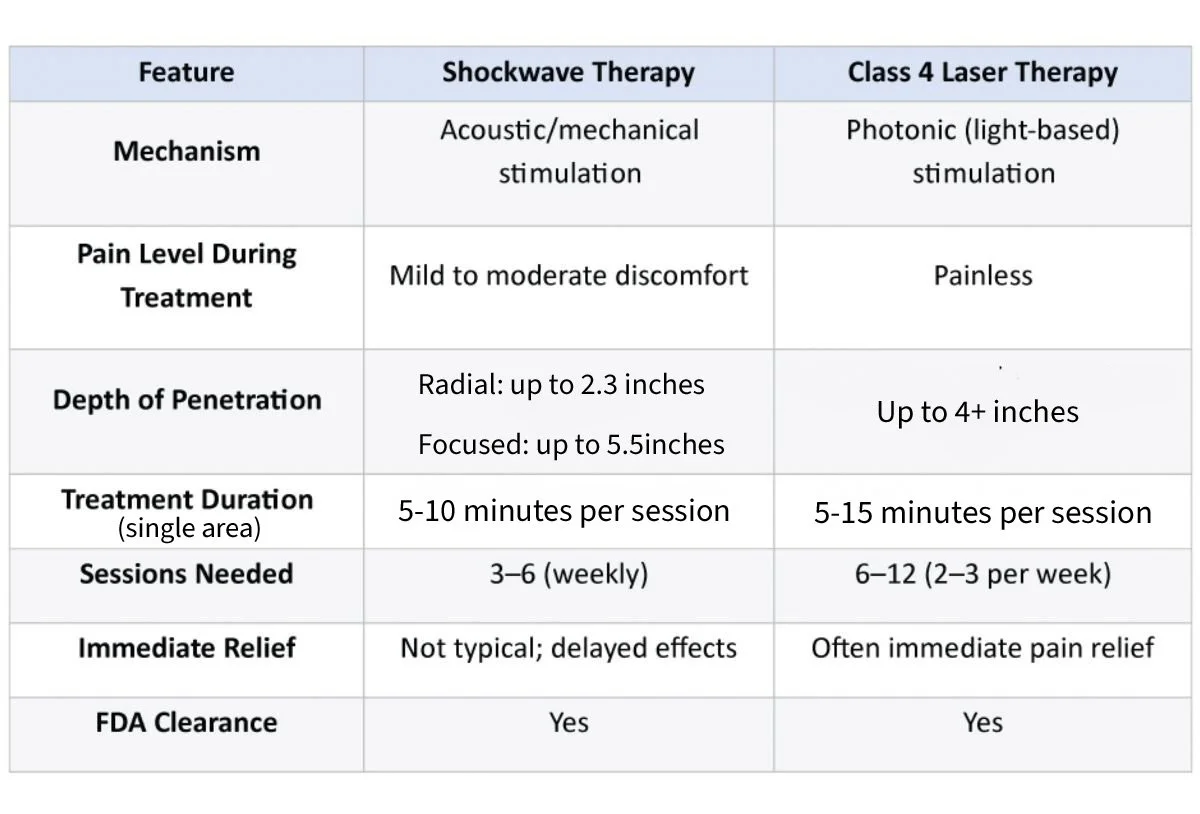
Laser vs Shockwave for Tendon Injuries: Which is Better?
Persistent tendon pain can be frustrating, especially for active individuals who want to stay consistent with training and exercise. Tendon injuries such as Achilles tendinopathy, plantar fasciitis, and tennis elbow often develop gradually and may take longer to heal than muscle injuries.
In recent years, two advanced treatment options have gained attention in orthopedic rehabilitation and sports medicine: high-intensity laser therapy (Class IV laser) and extracorporeal shockwave therapy (ESWT).
Both treatments aim to support the body’s natural healing processes and reduce pain. However, they work through very different biological mechanisms, and each may be better suited for certain types of injuries.
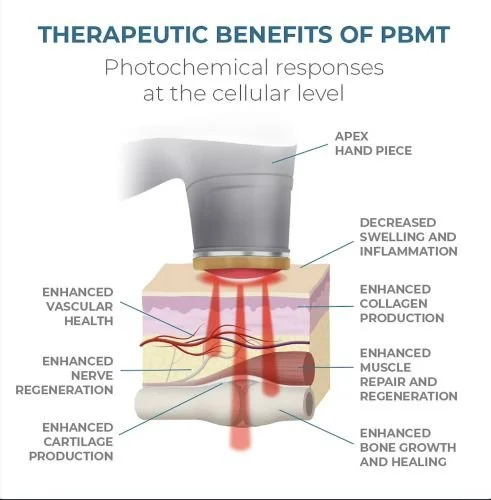
The Benefits of Class 4 Laser Therapy When Combined With PT
Pain from injuries or chronic conditions can make it difficult to stay active, train consistently, or simply move comfortably throughout the day. Whether the issue involves a tendon injury, muscle strain, joint irritation, or nerve-related pain, many people want treatment options that help them recover faster without relying solely on medications or invasive procedures.
One treatment that has gained increasing attention in orthopedic rehabilitation is high-intensity laser therapy (HILT), also known as Class IV laser therapy. This technology uses specific wavelengths of light to stimulate cellular activity, reduce inflammation, and promote tissue healing.
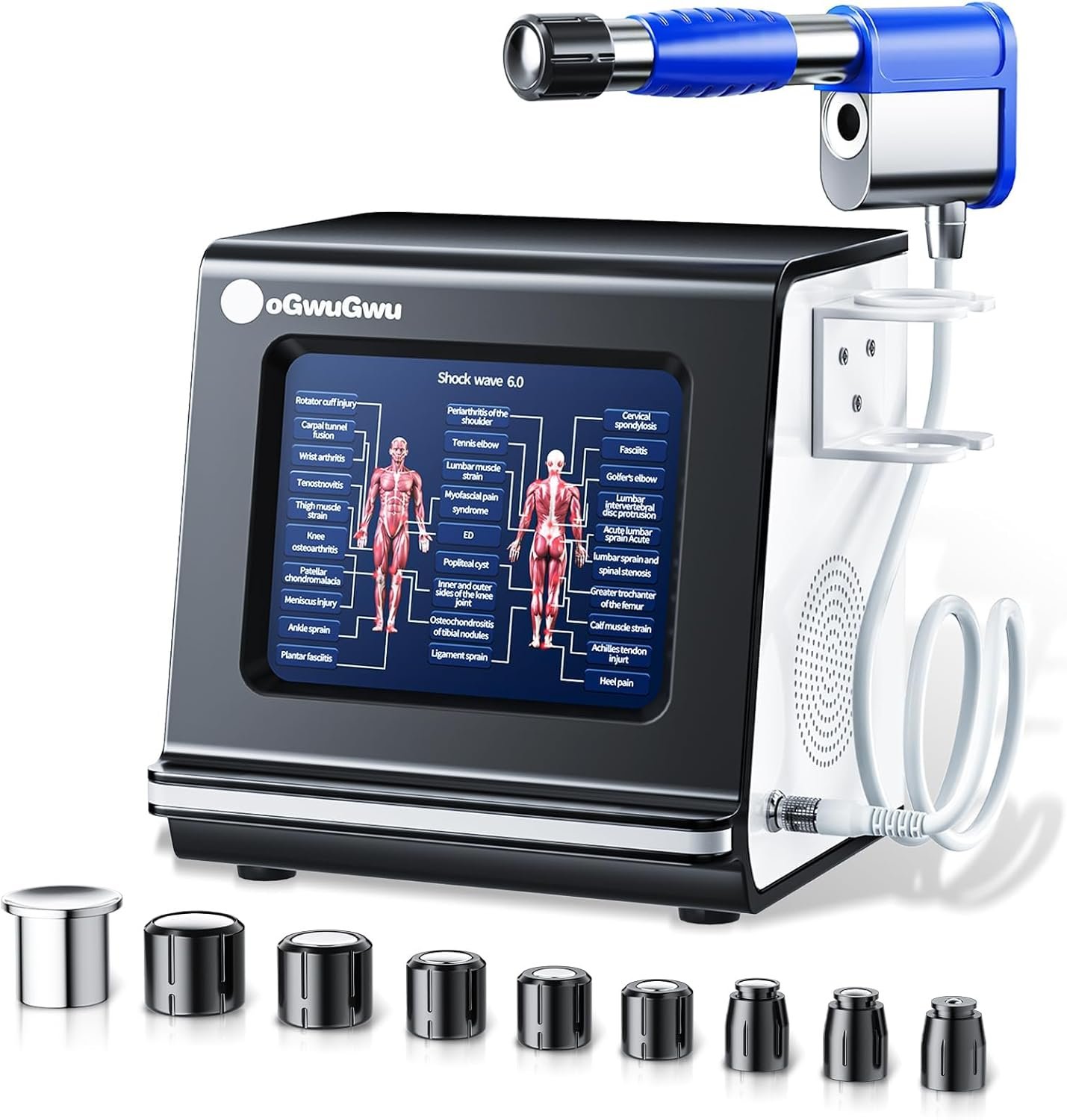
What is Shockwave Therapy? A Guide on the Advanced Modality
Shockwave therapy, also known as Extracorporeal Shockwave Therapy (ESWT), is a non-invasive treatment that uses acoustic pressure waves to stimulate healing in injured tissues. The therapy works by delivering high-energy sound waves to affected areas, triggering the body's natural healing response through increased blood flow, new blood vessel formation, and cellular regeneration.
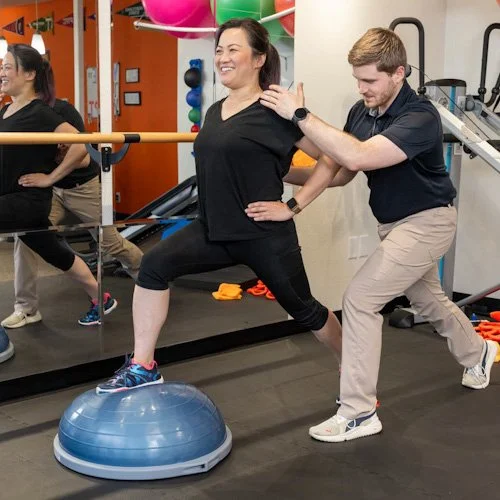
Strength Training for Runners: Prevent Injuries & Run Longer
Strength training plays a critical role in helping runners stay healthy, improve running efficiency, and maintain performance over time.
Research consistently shows that runners who incorporate strength training into their routines experience lower injury rates and improved running economy. Strong muscles help absorb impact forces, stabilize joints, and maintain proper running mechanics throughout a run.
For runners who want to train consistently and stay injury-free, strength training is not optional, it is essential.

Overcome Shin Splints and Build Stronger, Pain-Free Legs
Persistent shin pain can quickly turn running, training, or even daily activity into a frustrating challenge. What often starts as a mild ache along the shin bone can gradually worsen, making it difficult to stay active or continue pursuing fitness goals.
Shin splints are one of the most common overuse injuries affecting runners and active individuals. While temporary relief may come from rest or activity modification, many people find themselves stuck in a cycle where the pain repeatedly returns once training resumes.
Breaking that cycle requires more than temporary fixes. The most effective long-term approach involves understanding why shin splints develop and addressing the underlying biomechanical factors contributing to the injury.

Runners' Essential Guide to Pre-Run Dynamic Warm-Up Routines
Starting a run without warming up is like driving a car hard before the engine has time to warm up. You might get away with it occasionally, but over time, it increases wear, reduces efficiency, and raises the risk of breakdown.
This guide explains why dynamic warm-ups matter, how they work, and exactly what exercises runners should perform before training or racing.
Running Pain vs. Soreness: Your Guide on When to Rest or Run
Every runner eventually asks the same question: Is this normal soreness… or the start of an injury?
Knowing the difference is one of the most important skills you can develop as a runner. In fact, research shows that over half of runners experience an injury within a year. The ability to interpret your body’s signals isn’t just helpful; it’s essential for long-term performance and longevity.
This guide will help you understand the difference between soreness and pain, recognize common running injuries, and confidently decide when to run, when to scale back, and when to seek help.

Rehabbing a Rotator Cuff Injury: What You Need to Know
Whether you're an athlete, a gym-goer, or someone who just reached awkwardly into the back seat rotator cuff injuries are one of the most common causes of shoulder pain. And while some cases may require surgery, most rotator cuff injuries can be successfully treated with physical therapy.
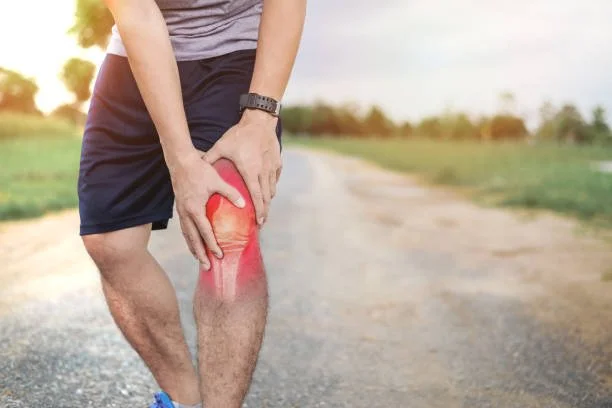
How to Manage Knee Pain from High-Impact Activities
If you love high-impact activities like running, jumping, CrossFit, martial arts, or competitive sports, you probably know what knee pain feels like. For some, it’s a dull ache after a long run. For others, it’s a sharp pain that flares up during squats, box jumps, or takedowns. While high-impact training can keep you strong and conditioned, it also puts a lot of stress on your knees - especially if there are weak links elsewhere in your movement chain.
As a physical therapist, I want you to know that you don’t have to live with knee pain or stop doing what you love. The key is managing your pain smarter, not just “pushing through it.”
Creating an Injury Recovery Plan: Why Tailoring Matters
No two bodies are the same and neither are injuries. Yet too often, injury recovery is treated like a “one-size-fits-all” process: generic rest, generic stretches, and a handout full of exercises that may or may not apply to your situation.
At Tualatin Valley Physical Therapy, we take a different approach: every injury recovery plan is individually tailored to the person in front of us. Why? Because a plan that’s not personalized won’t give you the best chance at healing fully or staying injury-free long term.
Let’s explore why tailoring your recovery plan matters and how a personalized approach leads to better outcomes.

Differentiating Functional Recovery and Symptom Management
At Tualatin Valley Physical Therapy, we often hear from patients who are unsure about the difference between simply managing pain and truly getting back to their best. Today, we’ll break down two key approaches in physical therapy (symptom management and functional recovery) and explain why our focus on long-term gains and real functionality sets us apart.

Rehabilitation Milestones: How to Know You’re on Track
Recovering from an injury or surgery can feel like a long, uncertain journey. However, understanding key rehabilitation milestones can help reassure and motivate you along the way. Research shows that setting and tracking progress markers improves patient engagement and leads to better outcomes.¹ At Tualatin Valley Physical Therapy, we focus on measurable recovery signs to ensure you're on the right path.
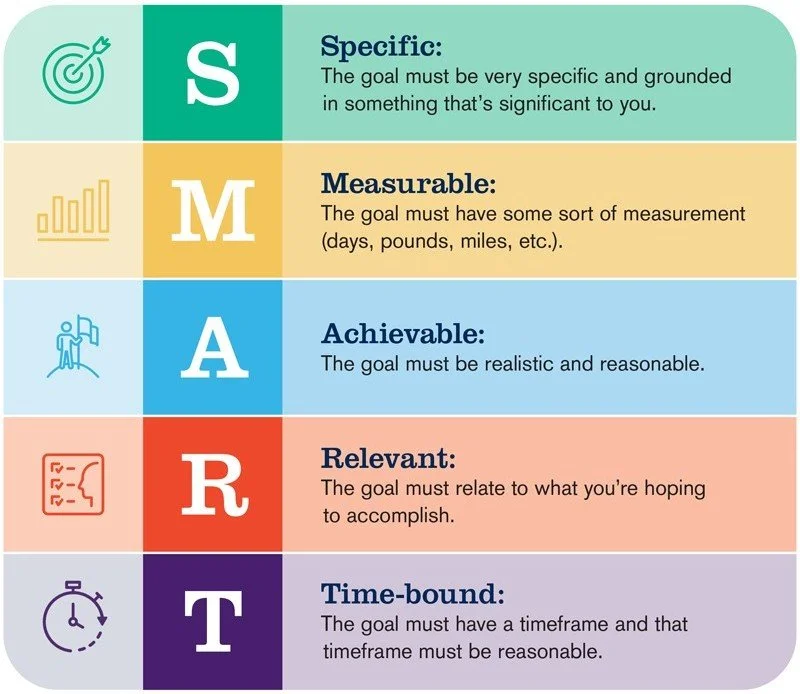
Setting SMART Goals for a Strong Recovery and Beyond
Recovering from an injury isn’t just about healing, it's about rebuilding strength, mobility, and confidence in a way that sets you up for long-term success. One of the most effective ways to stay focused and motivated during rehabilitation is by setting SMART goals. At Tualatin Valley Physical Therapy, we help our patients use this powerful method to take ownership of their recovery and achieve meaningful, lasting results

Why Patience is Key While Recovering From an Injury
In a world of quick fixes and instant gratification, it’s easy to feel frustrated when recovery doesn’t happen overnight. But when it comes to physical therapy, patience isn’t just a virtue, it’s a crucial part of the process. Whether you’re recovering from surgery, healing a chronic injury, or working through everyday aches and pains, the road to recovery is rarely linear. There are good days and bad days, breakthroughs and setbacks. But the key to lasting results? Consistency and patience.