EXPERT PHYSICAL THERAPY FOR KNEE PAIN IN HILLSBORO, OREGON
Find lasting relief from knee pain with one-on-one, 60-minute sessions led by a Doctor of Physical Therapy. Serving Hillsboro and the greater Tualatin Valley.
Specialized Solutions for Knee Pain Near Downtown Hillsboro
Personalized Knee Pain Care That Prioritizes Your Recovery
Knee pain can disrupt your ability to work, exercise, and enjoy daily life. At Tualatin Valley Physical Therapy, we focus exclusively on providing effective relief and long-term solutions for knee injuries and chronic knee discomfort. Located on South 1st Avenue in Hillsboro, our clinic is easily accessible for residents throughout Washington County, including Cornelius, Forest Grove, North Plains, Aloha, and Beaverton. Whether your knee pain results from sports, running, workplace injuries, or simply daily wear, our approach addresses the underlying causes rather than just managing symptoms. Every session is a full hour with Dr. Benjamin Stokes, a Doctor of Physical Therapy and Hillsboro native, ensuring you receive focused, one-on-one attention. Our commitment is to help you return to the activities and lifestyle you value, without unnecessary medications, injections, or surgery.
A Higher Standard for Knee Pain Treatment in Washington County
Why Active Adults and Athletes Choose Our Boutique Approach
Many clinics in the area rely on high-volume, insurance-driven models that can leave patients feeling rushed and underserved. Our cash-based practice is designed for those who want direct access to advanced orthopedic care without the hassles of insurance approvals or crowded therapy gyms. By operating independently of insurance, we provide 60-minute sessions with no aides or technicians, just you and your physical therapist. This structure allows for thorough assessment, precise hands-on treatment, and focused exercise instruction. Our clients include runners, lifters, martial artists, and busy professionals who need fast, reliable results. We also offer same or next-day appointments, so you can address knee pain before it becomes a bigger problem. Trusted by the community, TVPT holds an 'A' BBB rating and is a BBB Spark Award winner, reflecting our commitment to transparency and clinical excellence.
What to Expect from Your Knee Pain Physical Therapy Appointment
How Our One-on-One Process Delivers Better Outcomes
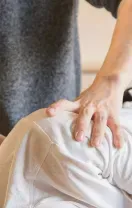
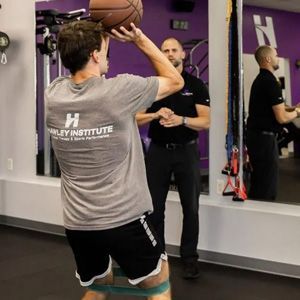
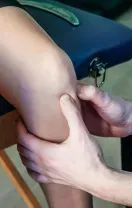
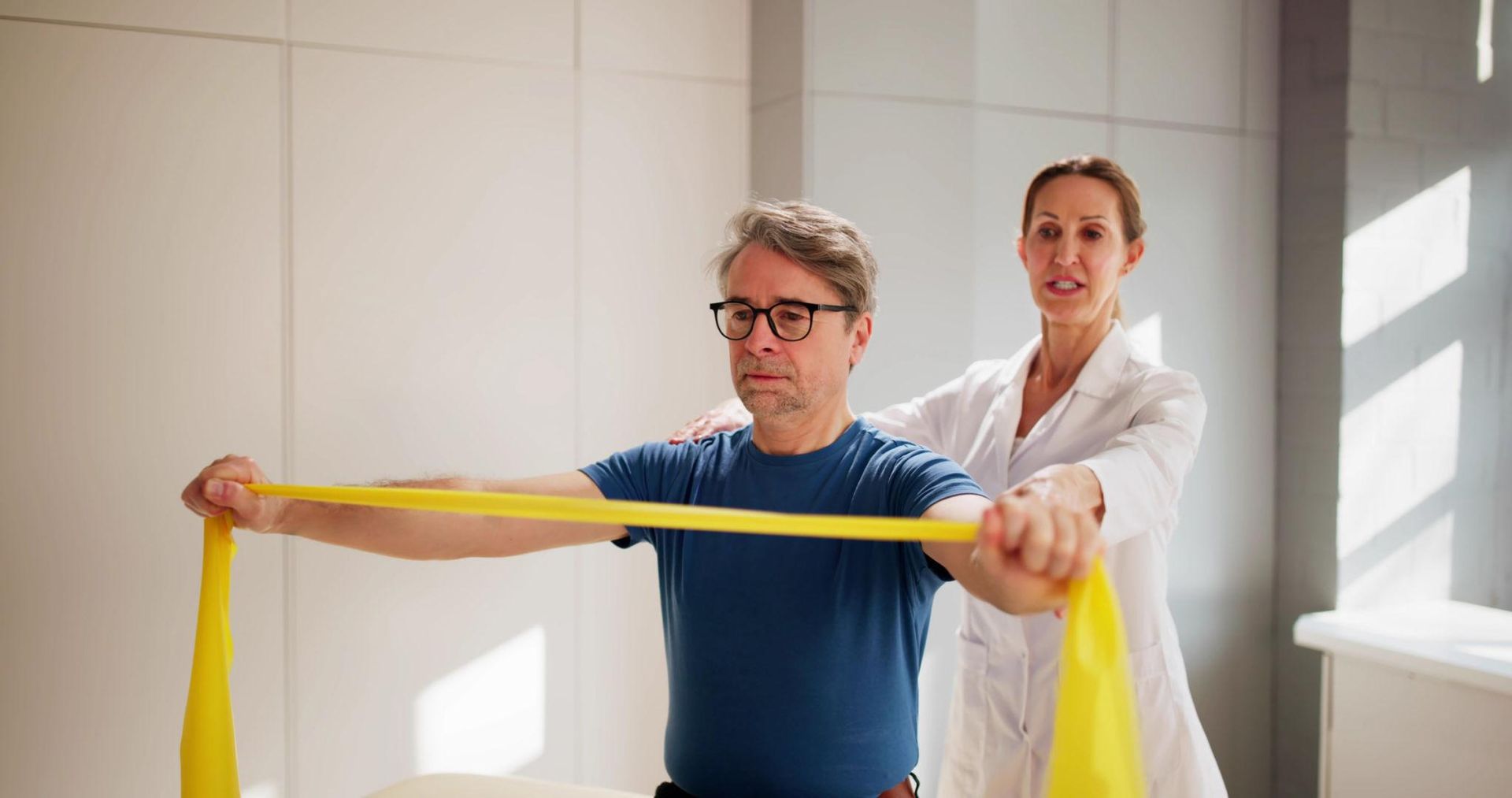
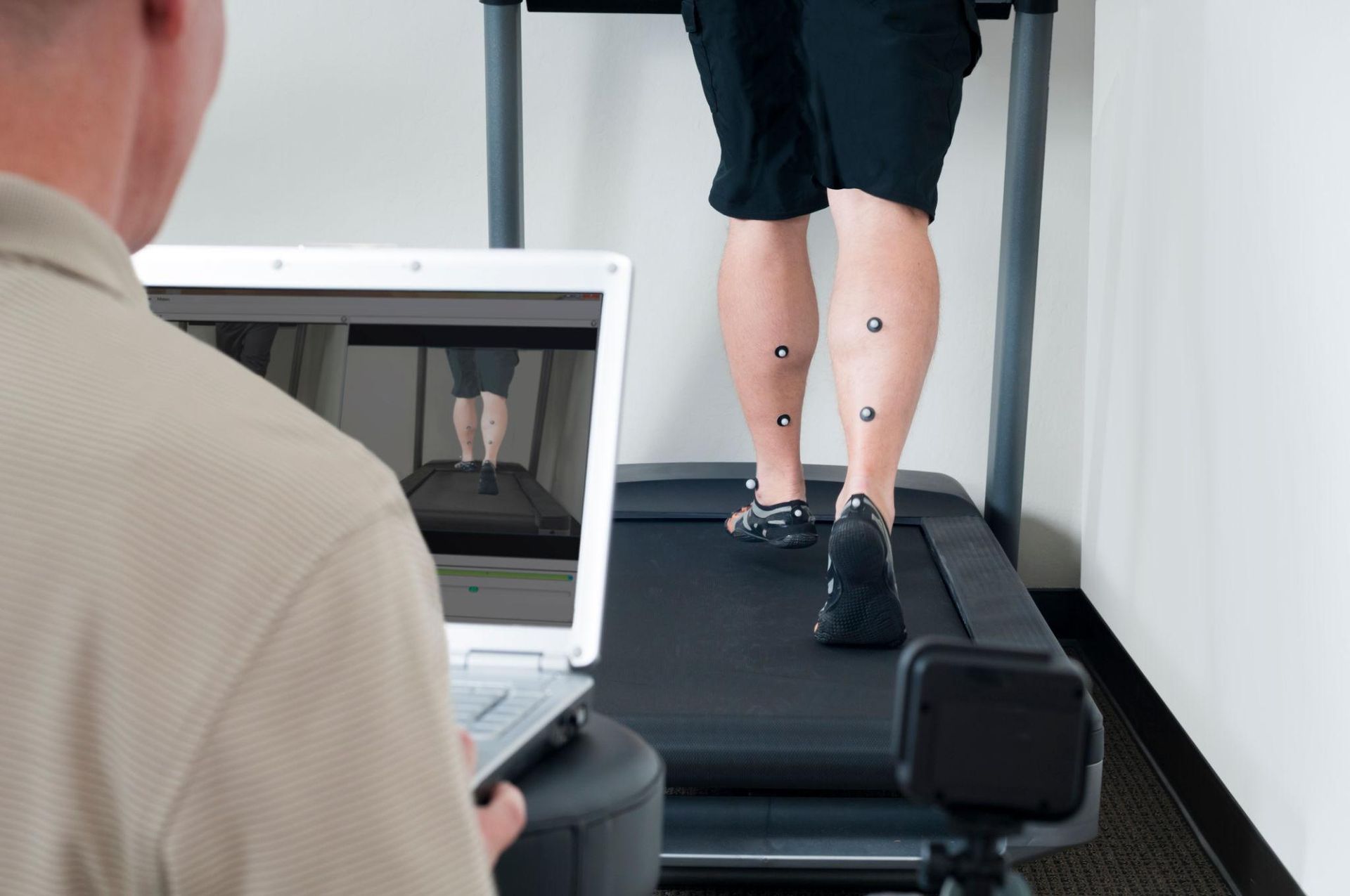
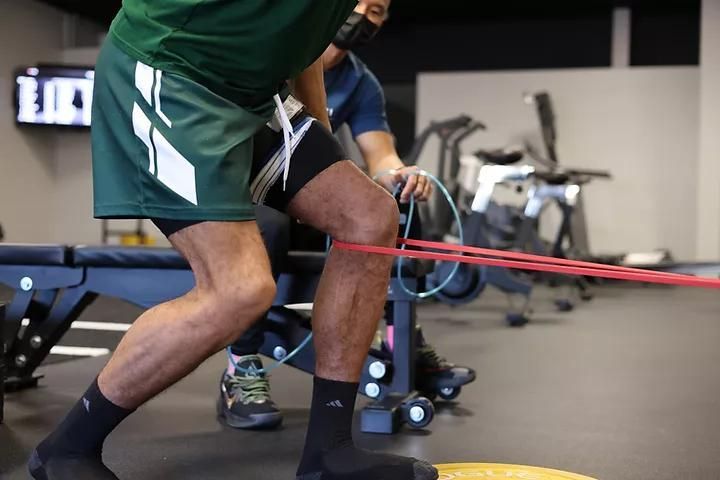
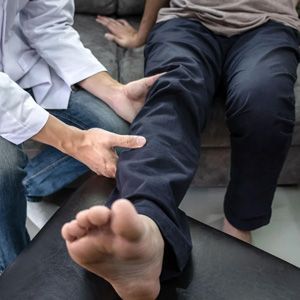
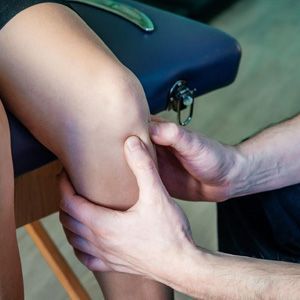
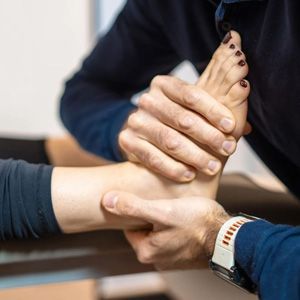
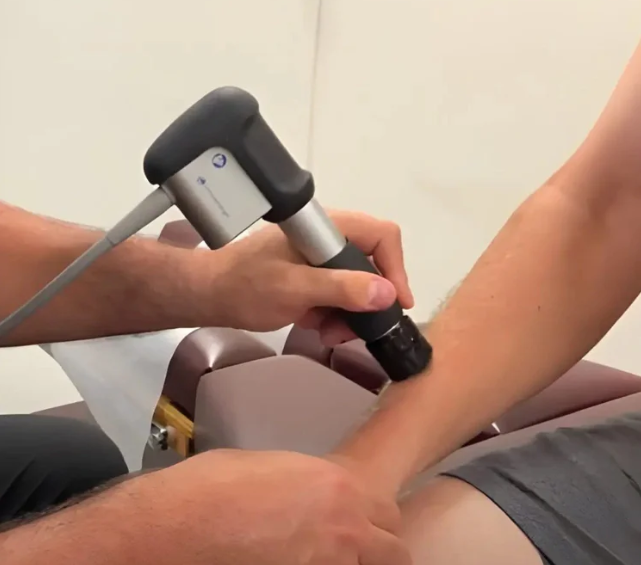
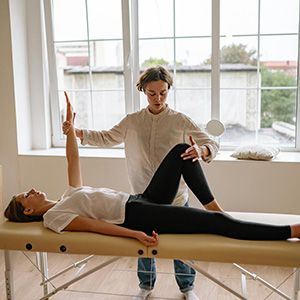
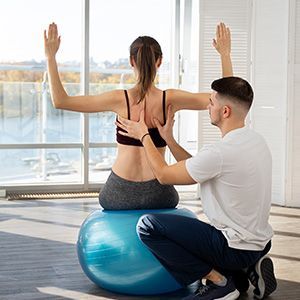
When you visit Tualatin Valley Physical Therapy for knee pain, your session begins with a detailed movement assessment and discussion about your goals, activity demands, and specific knee issues. Dr. Stokes uses evidence-based orthopedic testing to pinpoint the root cause of your pain, from tendon or ligament injuries to muscular imbalances or post-surgical recovery. Treatment may include manual therapy, individualized exercise prescription, and advanced modalities such as high-intensity laser or shockwave therapy, depending on your needs. Because every appointment is one-on-one, you receive real-time feedback and adjustments that accelerate your progress. Our process emphasizes educating you about your knee condition, teaching you how to manage load, and providing strategies for injury prevention. Whether you’re an athlete aiming for a safe return to sport or an active adult wanting to avoid surgery, our approach is designed to help you move confidently again.
Your Trusted Partner for Lasting Knee Health in Hillsboro
Supporting Your Recovery Every
Step of the Way
Choosing where to seek care for knee pain is a big decision, especially when you want more than a quick fix. At Tualatin Valley Physical Therapy, we believe in building lasting partnerships with our patients. From your first visit to your final follow-up, you’ll work directly with Dr. Stokes in a private, professional setting. Our transparent pricing, flexible scheduling, and commitment to patient education mean you always know what to expect. We’re located on South 1st Avenue, close to Hillsboro’s downtown and easily reached from surrounding neighborhoods. If you’re ready to address knee pain with a proven, patient-centered approach, contact us today to schedule your first session and take the next step toward lasting relief.
What Patients Say About Knee Pain Care