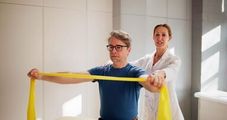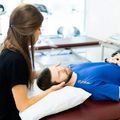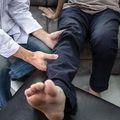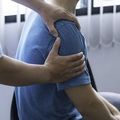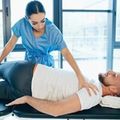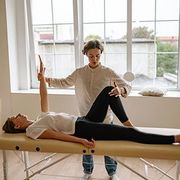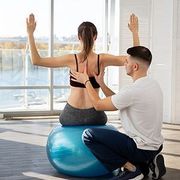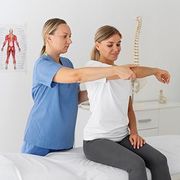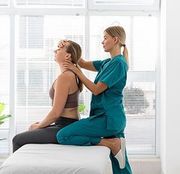





Premium One-on-One Physical Therapy in Hillsboro, OR

Experience full 60-minute sessions with a Doctor of Physical Therapy. No insurance restrictions, no rushed care. Get back to the activities you love faster and with confidence.

OUT OF NETWORK REIMBURSEMENT AVAILABLE
AUTO (PIP) ACCEPTED
OUT OF NETWORK REIMBURSEMENT AVAILABLE
AUTO (PIP) ACCEPTED
OUT OF NETWORK REIMBURSEMENT AVAILABLE
AUTO (PIP) ACCEPTED
OUT OF NETWORK REIMBURSEMENT AVAILABLE
AUTO (PIP) ACCEPTED

About Our Approach

Personalized, Doctor-Led Sessions for Every Patient

Tired of feeling like a number in a busy clinic? At Tualatin Valley Physical Therapy, you get direct access to your Doctor of Physical Therapy for the entire 60-minute appointment. No aides, no techs, and no rushed sessions. We treat every visit as an opportunity to understand your movement, address root causes, and create a plan that fits your lifestyle. Our cash-based model means no insurance hoops, no surprise bills, and the freedom to focus on what matters: getting you back to sport, work, and life. We proudly serve the Tualatin Valley with same or next-day appointments and full transparency every step of the way.

Meet Dr. Benjamin Stokes

Local Expertise, Nationally Recognized Care

Dr. Benjamin Stokes, DPT, is a Hillsboro native dedicated to raising the standard of orthopedic and sports rehabilitation in the region. With years spent in high-volume outpatient clinics, Dr. Stokes saw firsthand how insurance restrictions can compromise patient outcomes. He founded Tualatin Valley Physical Therapy to provide a better way, one rooted in evidence-based practice, genuine one-on-one care, and a deep connection to the community. Recognized with an 'A' rating and Spark Award from the Better Business Bureau, TVPT is trusted by athletes, professionals, and active families across Washington County.

Why Choose Us

What Sets Tualatin Valley Physical Therapy Apart?

Our clinic stands out for its commitment to individualized care, clinical excellence, and patient-first values. Here is what makes us different:

White checkmark inside a black circle icon

Full 60-minute sessions with a Doctor of Physical Therapy

Black circular icon with a white checkmark inside

No insurance restrictions or surprise bills

Black circle with a white checkmark icon

Same or next-day appointments available

Black circle with a white checkmark icon

Evidence-based care for orthopedic and sports injuries

Black circle with a white checkmark icon in the center

Trusted BBB Accredited and Spark Award Winner

Black circle with a white checkmark icon

Direct, transparent communication and pricing

Our Services

Comprehensive Orthopedic & Sports Rehabilitation

We offer a wide range of physical therapy services for athletes, professionals, and active adults throughout Hillsboro and Washington County.

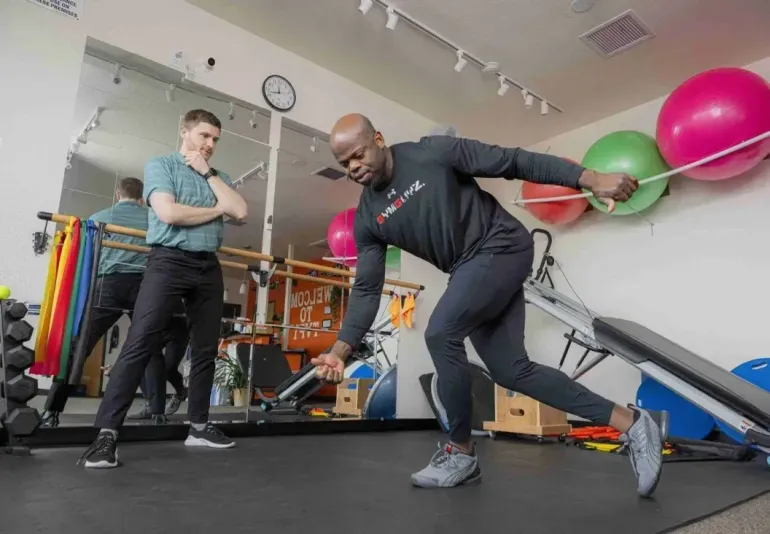
Two people doing a resistance band workout in a gym, with exercise balls and equipment in the background.
Two coworkers discussing papers in a bright office meeting room with laptops and coffee cups.

Orthopedic Healthcare

Personalized evaluation and treatment for joint, muscle, and movement issues aiming for full functional recovery and long-term health.

Person bench pressing a barbell in a gym with large windows and mountain views.

Injury Prevention

Targeted movement analysis and strength programs to reduce the risk of sports and workplace injuries before they happen.

People doing medicine ball exercises in a gym, one holding a red ball and another an orange ball.

Sports Medicine PT

Performance-focused programs for athletes, runners, and martial artists, including ACL rehab, running analysis, and more.

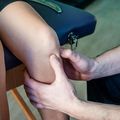
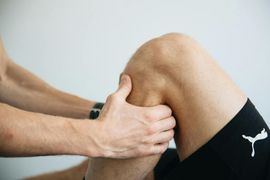
Hands massaging a bent knee, suggesting a sports injury or knee pain exercise

TENDON INJURY RECOVERY

Specialized care for chronic tendon pain, with advanced therapies to restore strength and resilience.

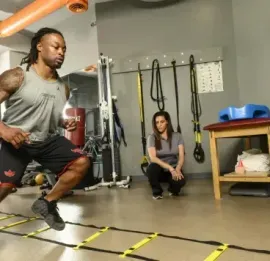
Two people training in a gym, one doing agility drills beside yellow ladder markers.

Runner-Specific PT

Running gait analysis, injury recovery, and structured ACL programs. Programs are designed for a safe and confident return to running or sport.

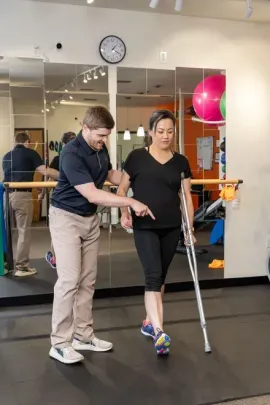
Trainer assists person walking with crutches in a gym studio mirror room.

Workers’ Compensation PT

Efficient return-to-work programs for those recovering from workplace injuries, focusing on capacity and safety.

Person receiving a neck and shoulder massage from a therapist in a green shirt

Auto Injury Rehabilitation

Evidence-based rehab for whiplash, neck, and back pain following car accidents, emphasizing functional recovery.

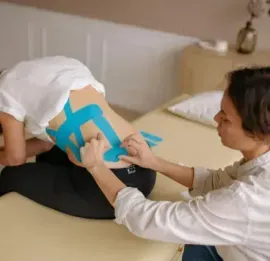
Therapist applying blue kinesiology tape to a client’s back during treatment on a massage table

Chronic Pain Management

Comprehensive strategies to reduce persistent pain and regain control over daily movement and activities.

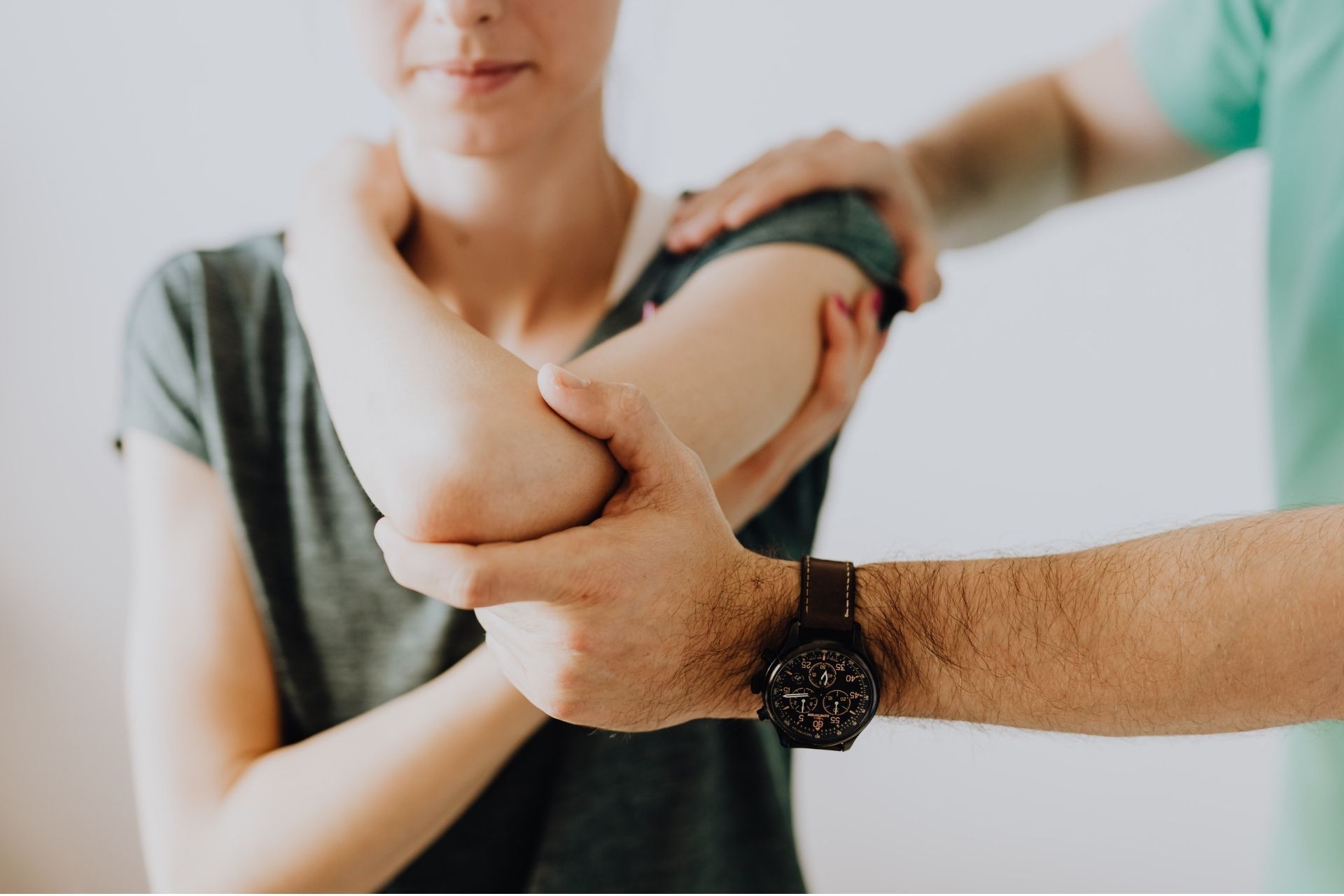
Doctor examining a patient’s arm in a clinic

ACUTE PAIN TREATMENT

Immediate assessment and management for new sprains, strains, or sports injuries. Same or next-day appointments available for fast relief.

Two people in a bright kitchen, one helping the other stretch a shoulder.

Pre- and Post-Operative PT

Support your recovery before and after surgery. Improve surgical outcomes and speed up your return to normal activity with guided therapy.

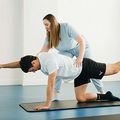
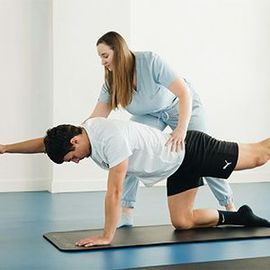
Physical therapist assisting a man with a back exercise on a mat in a bright studio

Balance and

Fall-Prevention

Personalized balance and fall-prevention physical therapy to improve stability, confidence, and long-term mobility.

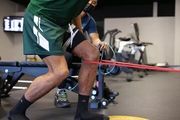
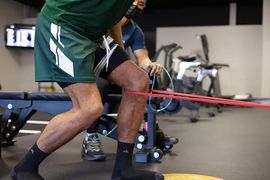
Person exercising with a red resistance band in a gym setting

ACL Rehab

Running gait analysis, injury recovery, and structured ACL programs. Programs are designed for a safe and confident return to running or sport.

Unsure if our clinic is the right fit for you?

Book a FREE 15-minute consultation!

Patient Reviews

Hear From Our Patients in Hillsboro

BBB Spark Awards 2025 Winner logo in blue and white with flame icon

RECENT POSTS

OUR BLOGS

August 1, 2026
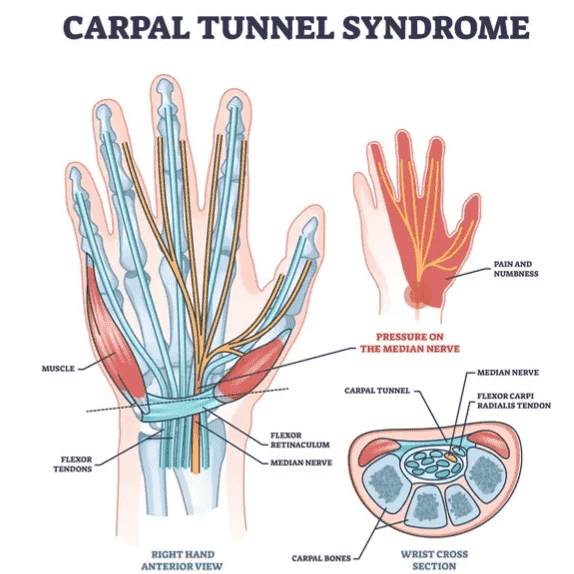
Chances are, you’ve heard of carpal tunnel syndrome, or maybe you’re experiencing it yourself. That familiar tingling or numbness in your fingers, the wrist pain that flares up at the keyboard, or the hand that suddenly feels weak and clumsy? That’s not something to brush off. It could be carpal tunnel syndrome (CTS), and if left untreated, it can lead to chronic discomfort or even long-term nerve damage. The good news? You can often manage and recover from carpal tunnel syndrome without surgery, and physical therapy plays a major role. Understanding Carpal Tunnel Syndrome To understand carpal tunnel syndrome, it helps to start with the anatomy of your wrist. The carpal tunnel is a narrow passageway in the wrist formed by bones and connective tissue. It houses the median nerve and the flexor tendons that allow you to move your fingers and wrist. When repetitive motions like typing or gripping tools, or even poor wrist posture, strain this area, inflammation can develop, compressing the median nerve. Common symptoms include: Numbness or tingling in the thumb, index, and middle fingers Burning or electrical sensations in the hand Wrist pain that radiates up the arm Weakness or clumsiness in the affected hand Difficulty gripping or performing fine motor tasks If not addressed early, symptoms can worsen and interfere with daily life. How Is Carpal Tunnel Syndrome Treated? Surgery is sometimes needed in severe or advanced cases. However, many people recover successfully with conservative treatment, and physical therapy is often the first step. Here’s what modern research tells us about how PT can help manage and relieve carpal tunnel syndrome: Manual Therapy Manual techniques can reduce pressure on the median nerve and restore mobility. These include: Wrist mobilizations Nerve gliding techniques Soft tissue work along the forearm and cervical spine A study in the Journal of Orthopaedic & Sports Physical Therapy found that patients who received manual therapy focused on the wrist and neck showed significant reductions in pain and improvements in function. Exercise & Strengthening Targeted exercises strengthen the hand and wrist, improve grip, and promote tendon health. A study in the Journal of Hand Therapy demonstrated that progressive resistance training improves function and decreases pain - especially when tailored to the patient’s daily demands. Nerve and Tendon Gliding Exercises These specific movements allow the median nerve and tendons to glide smoothly within the carpal tunnel, reducing irritation and restoring mobility. Research published in Hand Therapy supports their use for symptom relief and prevention of recurrence. Ultrasound Therapy Therapeutic ultrasound uses high-frequency sound waves to gently warm the area, reducing inflammation and promoting healing. It’s a non-invasive treatment shown to reduce CTS symptoms, as noted in Physical Medicine and Rehabilitation Clinics of North America. Shockwave and Laser Therapy Shockwave therapy (SWT) also uses sound waves, like ultrasound, but SWT uses high-energy, rapid acoustic pulses to treat chronic, deep-tissue injuries by promoting regeneration. High-Intensity Laser Therapy (HILT) , on the other hand, also warms tissues but is far more powerful and can penetrate deeper than ultrasound to reduce inflammation, reduce pain, and promote healing. Research has confirmed that HILT is effective alongside rehab to help manage carpal tunnel syndrome. Ergonomics and Lifestyle Adjustments Repetitive strain and poor mechanics are often what cause or worsen CTS. PT also involves: Workspace evaluations Keyboard and mouse adjustments Bracing or splinting when needed Education on wrist positioning and activity modification These small changes can make a big difference in preventing flare-ups. The Bottom Line Physical therapy offers a comprehensive, non-surgical path to healing for carpal tunnel syndrome. By combining hands-on care, exercise, and ergonomics, PT helps patients: Reduce pain Improve function Avoid surgery Return to work, workouts, and life pain-free Don’t wait for your symptoms to get worse. If your hand is tingling, aching, or feeling weak, it’s time to take action. At Tualatin Valley Physical Therapy, we’ll assess your condition, design a personalized treatment plan, and guide you toward lasting relief. 📞 Call or book online. Same-day appointments available! BOOK NOW!
August 1, 2026
If you're an athlete, CrossFitter , runner , martial artist , or just someone who loves to move, you've probably faced the question: “Should I push through this pain?” It's a common dilemma, and as a physical therapist, I hear it almost every day. The answer isn’t always black and white. Pain is complex , and not all pain means damage . In some cases, continuing to train is perfectly safe and even beneficial. In others, pushing through pain can prolong or worsen an injury. Let’s break down when it might be okay to train through pain and when it’s smarter to stop. Understanding Pain: Not Always a Warning Light Pain is your body’s way of signaling that something’s off, but it doesn’t always mean injury. The brain interprets signals from the nervous system and decides if something is threatening. That means pain is not always proportional to tissue damage. A 2012 study in the British Journal of Sports Medicine found that pain intensity doesn’t always correlate with the severity of a musculoskeletal injury (Moseley, 2012). You can feel intense pain with little tissue damage, or feel almost nothing with a serious injury. Pain can also persist long after tissues have healed, especially if there’s fear, stress, or prior trauma associated with movement. This is why a “no pain, no gain” approach can sometimes backfire. When Training Through Pain Might Be OK 1. Low-Level, Stable Pain in a Chronic Condition Mild pain (typically ≤ 3/10 on a pain scale) that remains consistent during and after activity can be acceptable, especially in conditions such as tendinopathy or osteoarthritis. Studies suggest that loading these tissues to some degree of discomfort is safe and beneficial. A 2015 systematic review (Silbernagel et al., Br J Sports Med) showed that athletes with Achilles tendinopathy who trained with tolerable pain had similar or better outcomes compared to those who avoided pain completely. 2. You’re Working With a Professional A physical therapist can help you determine the cause of your pain and guide you in safely modifying your training load. Structured rehab often includes a controlled amount of pain. 3. The Pain Is Predictable and Resolves Quickly If the pain occurs during a known movement (e.g., tight hips during squats) but resolves immediately afterward and doesn’t worsen later, it may be more related to mobility or tissue sensitivity than to an injury. When You Should NOT Train Through Pain 1. Sharp, Sudden, or Radiating Pain This includes stabbing joint pain, shooting nerve pain, or pain that causes weakness or loss of coordination. These are red flags that need evaluation and likely rest. 2. Pain That Gets Worse With Each Session If your pain escalates during or after each workout, or starts sooner each time you train, it’s a sign you’re exceeding your tissue’s capacity to adapt. Continuing may delay healing or cause further damage. 3. Pain That Alters Your Movement Pattern Limping through a run or shifting your weight during lifts increases your risk for compensation injuries elsewhere. Pain that forces a change in technique is a sign to stop. A 2020 study in the Journal of Orthopaedic & Sports Physical Therapy emphasized that altered movement mechanics under load can lead to secondary injuries and prolong recovery time (Gribble et al., 2020). Pain vs. Soreness: Know the Difference Muscle soreness after a workout (DOMS) is usually dull and achy, setting in 12–24 hours post-workout. It improves with movement and fades in a few days. Injury pain tends to be sharper, more localized, and persistent. It may worsen with specific movements and doesn’t resolve quickly. What to Do If You're Not Sure When in doubt, consult a physical therapist. At Tualatin Valley Physical Therapy , we help athletes and active individuals make smart training decisions. Whether you’re recovering from an injury or trying to stay injury-free , we guide you to listen to your body and understand what it’s really saying. Remember : Training through the right kind of discomfort can be part of healing. But pushing through the wrong kind of pain? That’s a fast track to more serious setbacks. Need Help Figuring Out if You Should Train Through Pain?  Schedule an evaluation or free consultation today! Same-day appointments are available, and no referral is needed. BOOK NOW!
August 1, 2026
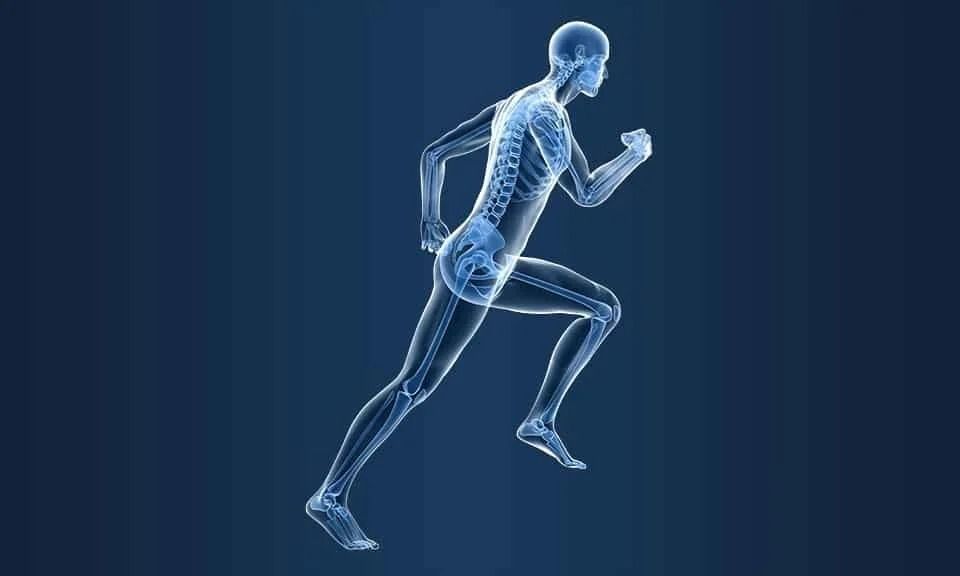
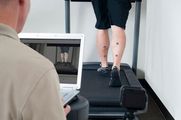
Every runner has a unique running style, also known as running mechanics. Running efficiently means understanding your body and your mechanics. Your joints and bones play a big role in how you run. For example: Joint Range of Motion (ROM) : This is how much your joint can move. If your ankle does not move as much as it should, you might adjust your landing. You may end up striking with your forefoot or midfoot instead of your heel. Bony Anatomy : Your natural bone structure also matters. If your feet naturally point outward, forcing them straight can cause pain in your hips or knees. Common Running Issues That Can Lead to Injury Sometimes, small changes in how you run can lead to injuries. Some problems we see include: Overstriding : Landing with your foot too far ahead of your body. Slow Step Rate : Taking too few steps each minute. Insufficient Knee Bend : Not bending your knee enough when your foot lands. The good news is that a proper gait analysis and training program can help reduce these issues and lower your risk of injury . How a PT Can Help Ensure You Are Running Efficiently At Tualatin Valley Physical Therapy, during one of our specialized running assessments, our experienced therapists use a simple, step-by-step approach to analyze your running form : Discussion and History : We start by talking about your training history and daily activities to understand what might be affecting your running. Physical Exam : We check your range of motion, strength, and how you move. We even look at your shoes! Running Analysis : You’ll run on a treadmill while we observe your form. This is our best “special test” because watching you run gives us the clearest picture of your mechanics. After the analysis, we work with you to develop a plan to gradually change your running style so you can run more comfortably and reduce the risk of injury. The Four S’s of Running Analysis We like to keep our approach simple. Here are the “Four S’s” we use when looking at your running form: 1. Sound Before we even watch you run, we listen to the sound of your steps. Ask yourself: Do your feet land softly, or do they make a loud thump? Is the sound the same for both feet? Does the sound change when you run barefoot or in different shoes? Listening helps us tell if you might be overstriding or landing too harshly. 2. Strike This means how your foot lands: Heel Strike: Landing on your heel. Midfoot or Flat-Footed: Landing with your whole foot. Forefoot Strike: Landing on the front part of your foot. Each type has its benefits and challenges. For example, a forefoot strike might reduce shock for some runners, while a heel strike can be better for others - especially if they are dealing with issues like calf pain. We look at your natural strike and discuss any changes that might help you run pain-free. 3. Step Rate (Cadence) Step rate is the number of steps you take each minute (your cadence). Research shows that: A higher step rate with shorter strides can lessen the impact on your knees and hips . A small increase (about 5-10% above your usual rate) can make a big difference. However, a step rate that’s too high can be tiring, so we find the right balance for you. 4. Speed Speed is how fast you run, which affects your overall form. When you run faster, you push off the ground harder and may change your stride. We take into account your usual pace and any specific race or training speeds. This helps us know what speeds to use during your analysis and when to push you a bit more as you improve. The Bottom Line Running is simple, but small changes in your form can have a big impact on how your body feels. At Tualatin Valley Physical Therapy, we use a straightforward approach to help you improve your running mechanics and run more efficiently. By analyzing your sound, strike, step rate, and running speed, we can make smart changes to help prevent injury and boost your performance. Ready to run without pain ? Contact us today to set up your running analysis and take the next step toward a healthier, more enjoyable run. BOOK NOW!
August 1, 2026
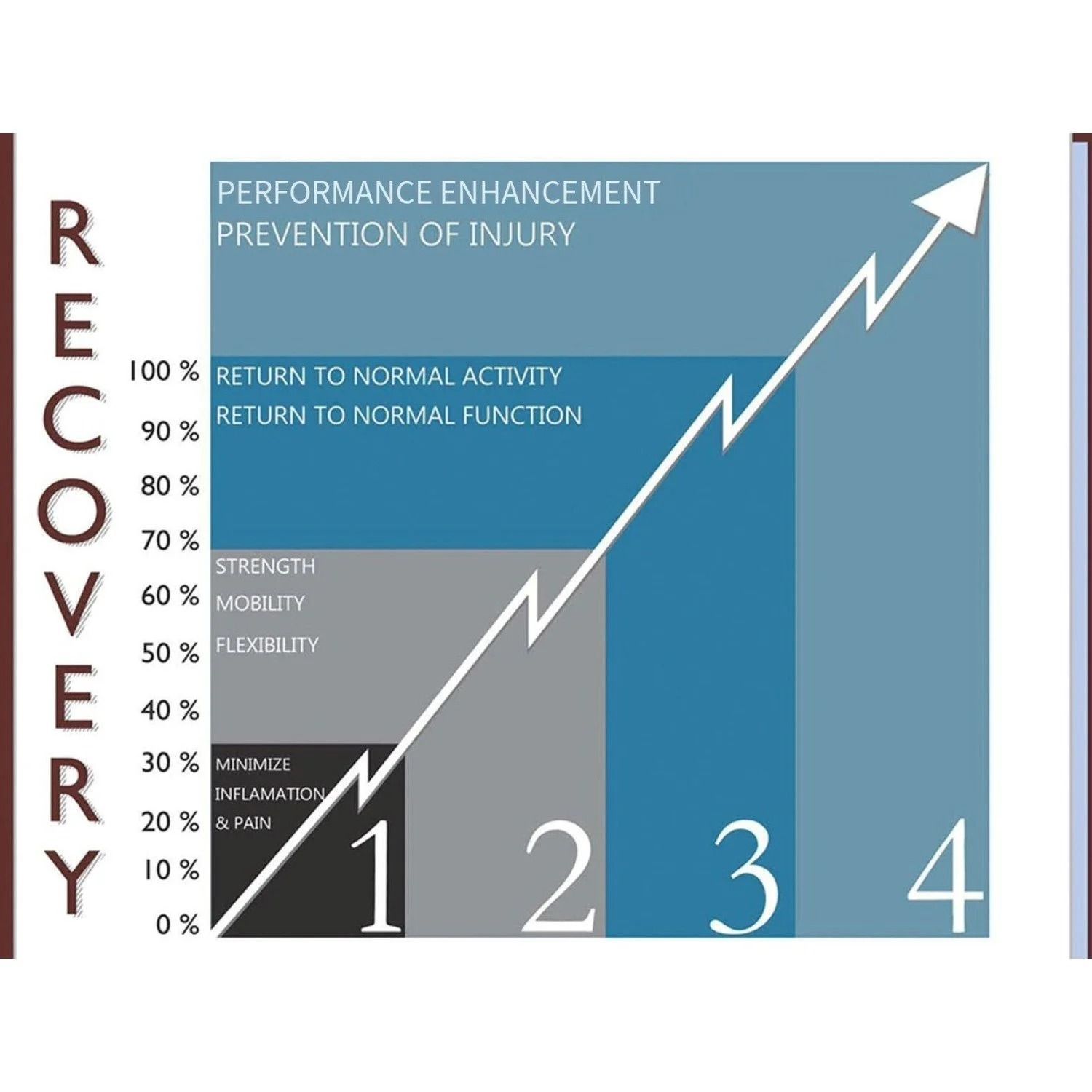
No two bodies are the same, and neither are injuries. Yet too often, injury recovery is treated like a “one-size-fits-all” process: generic rest, generic stretches, and a handout full of exercises that may or may not apply to your situation. At Tualatin Valley Physical Therapy, we take a different approach: every injury recovery plan is individually tailored to the person in front of us. Why? Because a plan that’s not personalized won’t give you the best chance at healing fully or staying injury-free long term. Let’s explore why tailoring your recovery plan matters and how a personalized approach leads to better outcomes. Why Personalized Recovery Plans Work Better Research supports what many PTs already know: individualized rehab plans lead to faster recovery, better function, and a lower risk of reinjury. A 2021 study in the Journal of Orthopaedic & Sports Physical Therapy found that tailored exercise programs were significantly more effective than standardized ones for improving pain and return-to-activity outcomes in patients with musculoskeletal injuries (Cook et al., 2021). That’s because tailored plans account for: Your unique movement patterns The specific demands of your sport or lifestyle Your goals (e.g., return to CrossFit , play with your kids, hike pain-free) Previous injury history or medical conditions How your body responds to treatment over time When we understand the full picture, we can treat the root cause and not just the symptoms . Key Elements of a Tailored Injury Recovery Plan Functional Assessment Before creating your plan, we assess how you move, not just where it hurts. This includes joint mobility, muscle strength, balance, gait, and sport -specific tasks. Goal-Oriented Programming Rehab for a jiu-jitsu athlete looks different than rehab for someone recovering from a car accident . Your goals guide your plan from exercise selection to return-to-activity timelines. Real-Time Progression We continually adapt your plan based on how your body responds. If something isn’t working, we change it. If you’re progressing faster, we scale up. Cookie-cutter programs can’t do that. Preventive Strategies Your plan doesn’t end when the pain stops. We build in strategies to help you maintain results, prevent reinjury , and optimize performance. Why “Rest and Hope” Isn’t a Plan Too many people are told to “just rest” or “wait and see.” While rest is sometimes necessary in the early stages of healing, passive recovery doesn’t rebuild strength, restore function, or address the root cause . Without guided movement and progressive loading, healing is slower, and the risk of recurrence increases. PT provides you with a safe, strategic roadmap to recovery. The Tualatin Valley PT Difference When you work with us, you won’t get a sheet of exercises and a pat on the back. You’ll get: One-on-one sessions with a licensed Doctor of Physical Therapy A recovery plan tailored to your body and goals Hands-on techniques to reduce pain and restore motion Education and support every step of the way Whether you're recovering from a sports injury, an auto accident, or everyday wear and tear, we build a path that helps you heal fully and come back stronger. BOOK NOW!
August 1, 2026
If you love high-impact activities like running , jumping, CrossFit , martial arts , or competitive sports , you probably know what knee pain feels like. For some, it’s a dull ache after a long run. For others, it’s a sharp pain that flares up during squats, box jumps, or takedowns. While high-impact training can keep you strong and conditioned, it also puts a lot of stress on your knees - especially if there are weak links elsewhere in your movement chain. At Tualatin Valley Physical Therapy, we want you to know that you don’t have to live with pain or stop doing what you love. The key is managing your pain smarter, not just “pushing through it.” Why High-Impact Movements Hurt the Knees High-impact activities place repetitive forces on your joints - particularly your knees. But pain in your knees often isn’t just a “knee problem.” Research shows it’s often the result of poor movement mechanics, muscular imbalances, and a lack of control in surrounding areas such as the hips, ankles, or core. A 2014 study in the Clinical Journal of Sport Medicine found that abnormal hip and ankle movement patterns increase patellofemoral joint stress during high-impact tasks like jumping and running (Powers et al., 2014). Common contributors include: Weak gluteal and hip stabilizer muscles Poor ankle mobility Imbalanced quad vs hamstring strength Tight hip flexors or calves Poor form during repetitive loading (e.g., running, jumping, deep squatting) When It’s Safe to Keep Training You don’t necessarily need to stop training just because you’re experiencing knee discomfort. In fact, stopping entirely can make you weaker and more prone to future injury. The key is to modify. You can usually keep training if: The pain is mild (≤ 3/10 on a pain scale) There’s no swelling or giving way of the knee It improves with warm-up or gentle movement It doesn’t alter your technique A 2019 systematic review in the British Journal of Sports Medicine concluded that exercise therapy is a first-line treatment for patellofemoral pain, and that modifying load, rather than eliminating it, is key to long-term recovery (Crossley et al., 2019). Smart Strategies to Manage Knee Pain 1. Load Management Reduce how often, how long, or how intensely you’re doing the aggravating movement. For example, shorten your runs, use lower box jump heights, or temporarily scale back your squat depth. 2. Strengthen the Weak Links Target the glutes, hamstrings, quads, calves, and core. Research shows that hip and glute strengthening reduces knee stress in runners and athletes. 3. Improve Mobility Tight hips, quads, and calves can restrict motion and force compensations through the knees. Stretching, foam rolling, and joint mobilizations can reduce joint stress. 4. Focus on Technique Whether it’s how you land a jump or how your knees track in a squat, small adjustments can drastically reduce joint strain. A PT can assess your mechanics and teach you proper movement patterns. 5. Get a PT Assessment A thorough evaluation can help pinpoint the real reason your knee hurts. From movement screens to strength testing, we’ll find your weak links and build a plan to keep you active, without causing more damage. When to See a Physical Therapist If your knee discomfort: Persists beyond a week Worsens with activity Disrupts your ability to train Causes swelling or joint instability …it’s time to get expert help. Early intervention = faster recovery and fewer long-term issues. The Bottom Line You don’t have to choose between your sport and your knees. With the right strategy, you can stay active, reduce pain, and even perform better than before. At Tualatin Valley Physical Therapy, we help active adults train smarter, recover faster , and prevent reinjury without relying on unnecessary imaging, injections, or prolonged rest. Ready to fix your knee pain? 📞 Call us or book online. Same-day appointments available!
Show More