SPECIALIZED HIP PAIN PHYSICAL THERAPY IN HILLSBORO, OREGON
One-on-one, doctor-led sessions focused on resolving hip pain for active adults, athletes, and busy professionals across Washington County.
Expert Help for Hip Pain in Hillsboro
Personalized Physical Therapy for Lasting Hip Relief
Chronic or acute hip pain can limit your mobility, disrupt your routine, and keep you from activities you enjoy. At Tualatin Valley Physical Therapy, we understand how frustrating it is to be sidelined by hip discomfort. Our clinic, located in the heart of downtown Hillsboro near the Civic Center and just minutes from Orenco Station, provides individualized care for those seeking real solutions, not quick fixes. Whether your hip pain is from sports, running, lifting, injury, or long hours at a desk, our approach is grounded in evidence-based orthopedic physical therapy. Every session is a full 60 minutes, one-on-one with Dr. Benjamin Stokes, DPT, ensuring you receive focused attention and a plan built around your specific needs. Our mission is to help you move better, recover faster, and get back to the life and activities you value most.
Why Choose TVPT for Hip Pain Relief
A Boutique Approach to Hip Rehabilitation in Washington County
Unlike high-volume clinics that run on insurance restrictions and brief appointments, Tualatin Valley Physical Therapy operates as a cash-based, boutique practice. This means you receive thorough, uninterrupted care from a doctoral-level physical therapist every time, never an aide or technician. We focus on functional movement and long-term outcomes, not just symptom management. As a 2025 BBB Spark Award winner with an A rating, TVPT is recognized for clinical excellence and trustworthiness in Hillsboro and surrounding communities such as Cornelius, Forest Grove, and Aloha. Our commitment to transparency means you know exactly what to expect. There are no surprise bills, just clear communication and real results. Many of our patients come to us after feeling let down by traditional clinics, seeking a more efficient, results-driven path to recovery.
What to Expect During Your Hip Pain Sessions
Evidence-Based Treatment and Accelerated Recovery
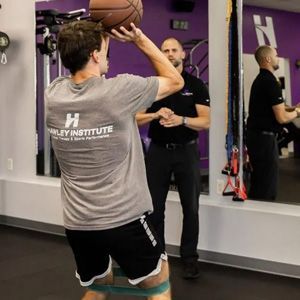
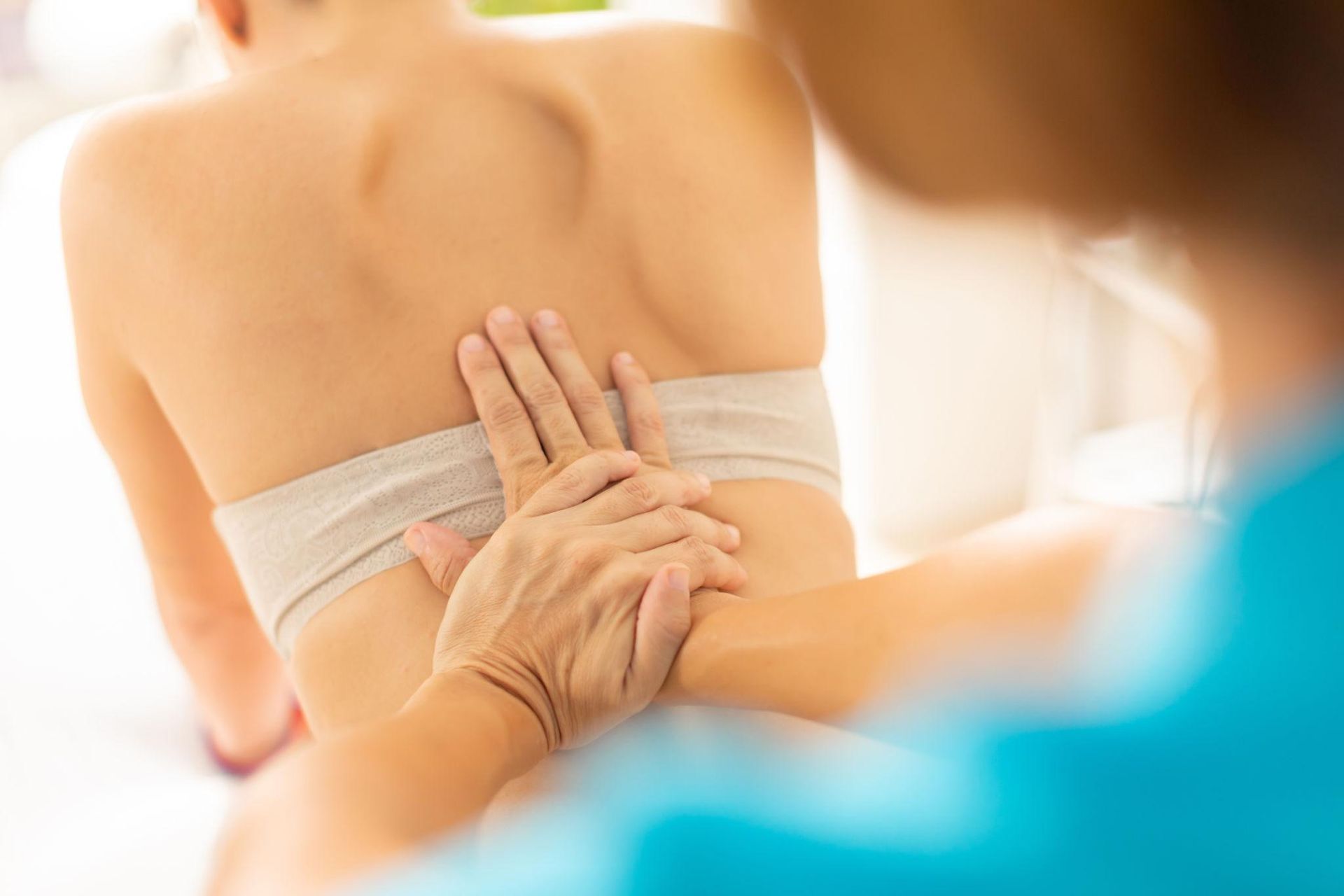
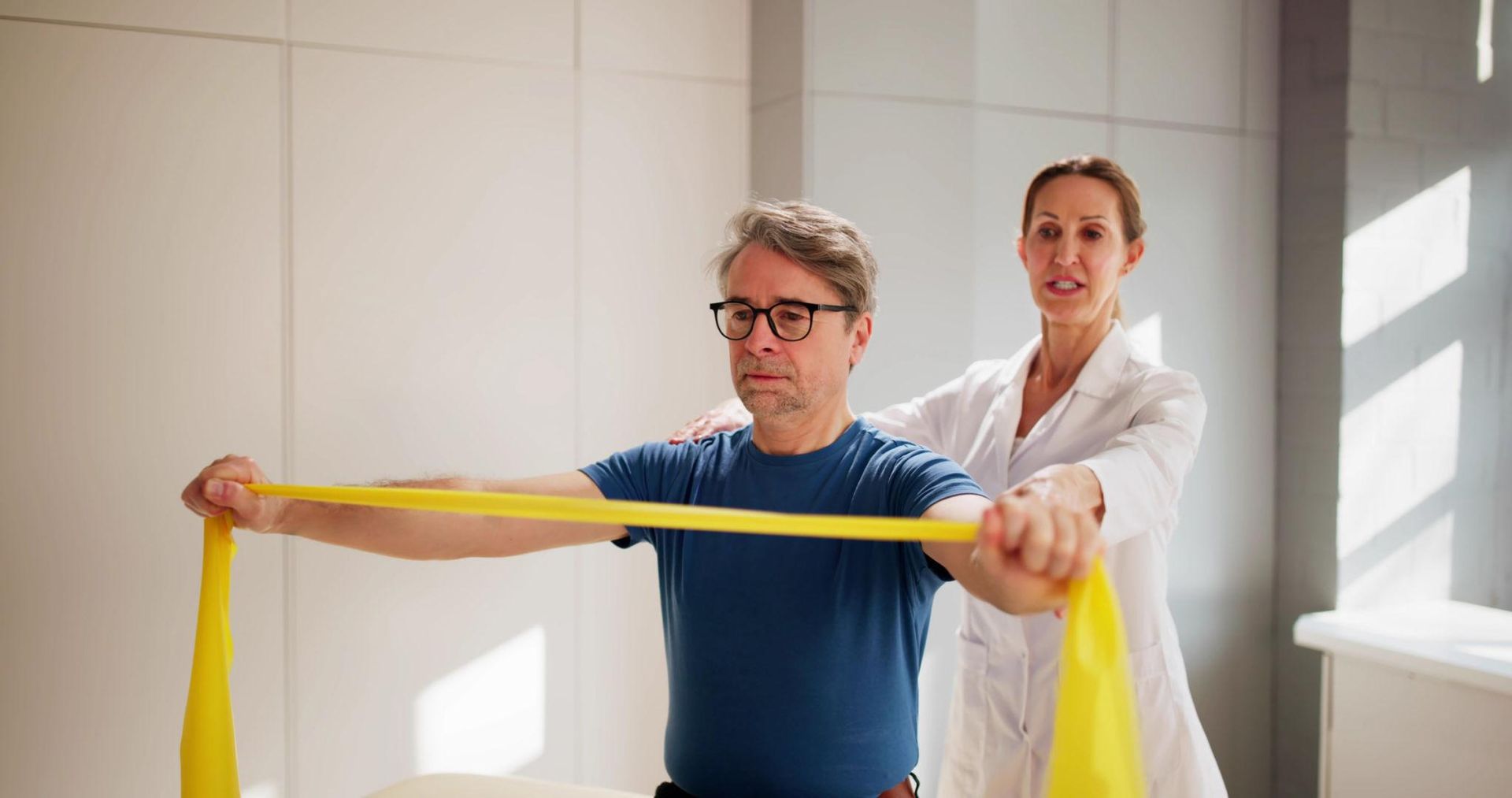
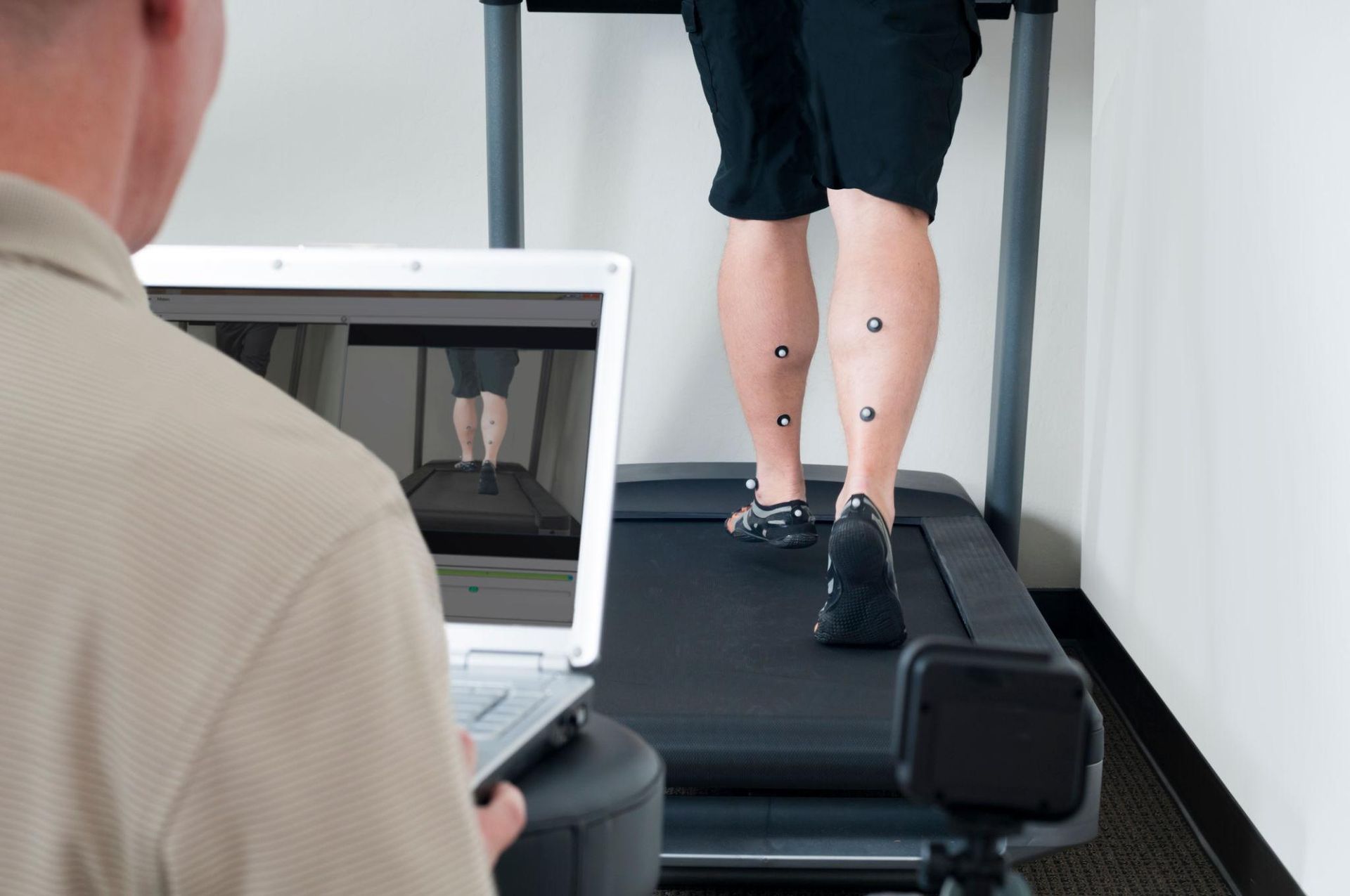
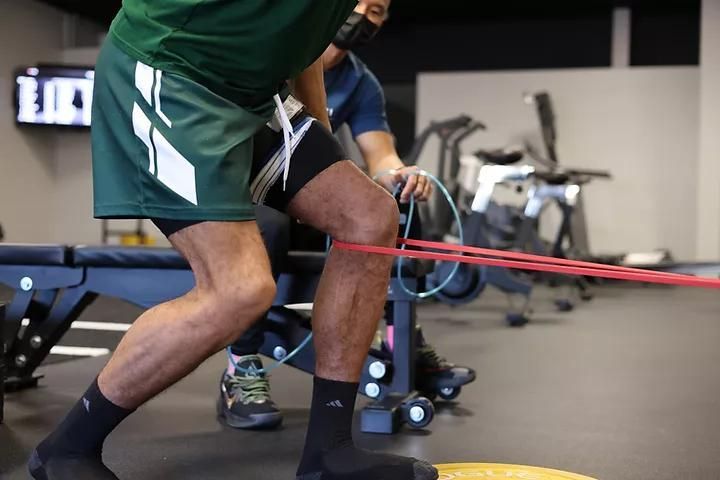
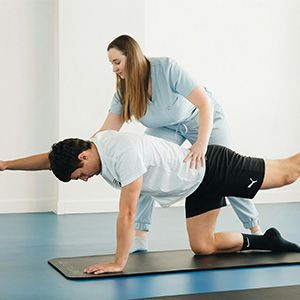
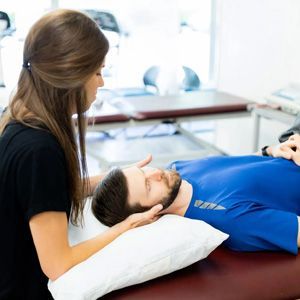
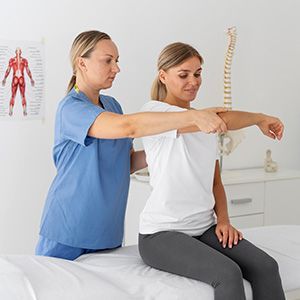
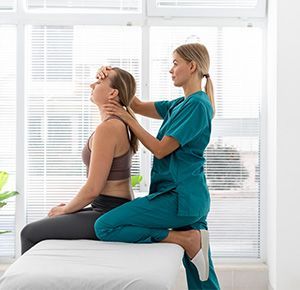
Your care begins with a comprehensive assessment of hip function, strength, mobility, and movement patterns. Dr. Stokes takes time to understand your goals, whether you want to return to running, sports, or simply walk without pain. Each session includes hands-on manual therapy, advanced exercise prescription, and movement education suited to your needs. We address the root causes of hip pain, from muscle imbalances to overuse injuries, and provide strategies for injury prevention and performance improvement. If you are recovering from surgery or aiming to avoid invasive procedures, our process emphasizes conservative, evidence-based care. With same or next-day appointments available, you can start your recovery on your schedule, minimizing downtime and helping you return to your favorite activities sooner.
Your Trusted Partner for Hip Pain Care in Hillsboro
Support, Reassurance, and a Commitment to Your Results
Choosing the right provider for hip pain is about more than just treatment techniques. It is about trust, communication, and partnership in your recovery. At TVPT, we are invested in your progress from your first visit to your last. We serve patients throughout Washington County, including Beaverton and North Plains, and take pride in supporting Hillsboro’s active community. If you are looking for a physical therapy experience that values your time, respects your goals, and prioritizes true outcomes, we are here for you. Experience the difference of a clinic where your hip pain is treated with the expertise and individual attention it deserves.
Hear from Our Hip Pain Patients