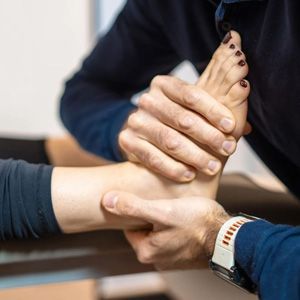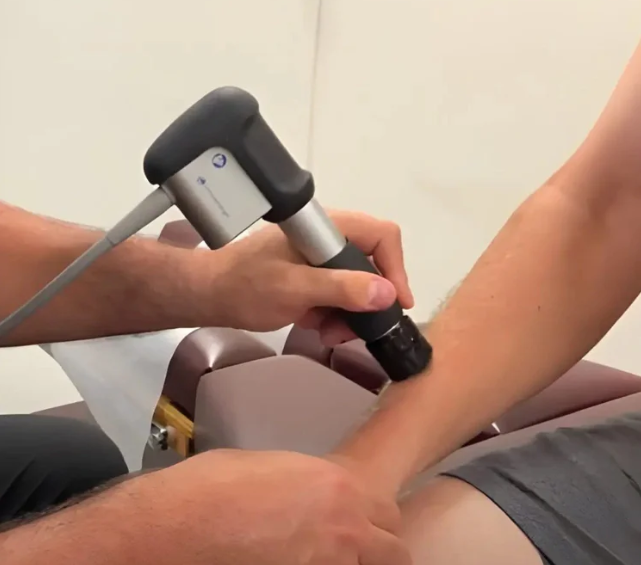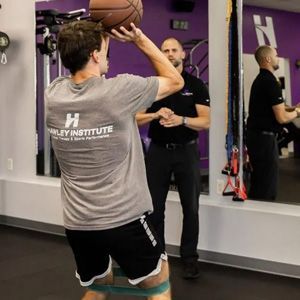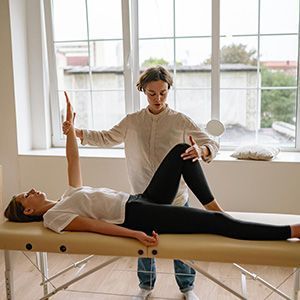
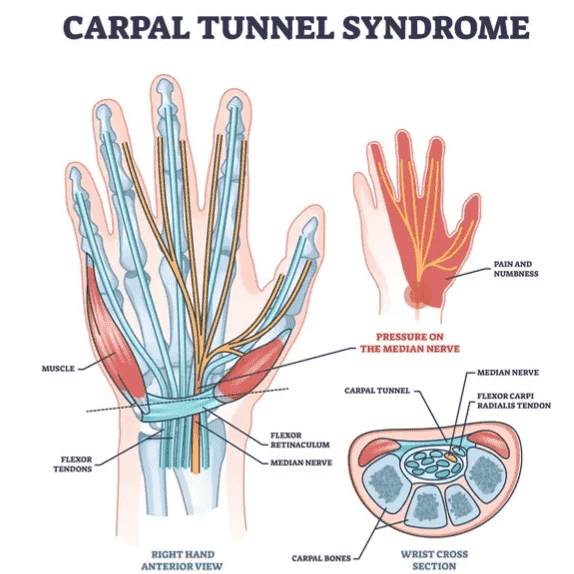
Chances are, you’ve heard of carpal tunnel syndrome, or maybe you’re experiencing it yourself. That familiar tingling or numbness in your fingers, the wrist pain that flares up at the keyboard, or the hand that suddenly feels weak and clumsy? That’s not something to brush off. It could be carpal tunnel syndrome (CTS), and if left untreated, it can lead to chronic discomfort or even long-term nerve damage. The good news? You can often manage and recover from carpal tunnel syndrome without surgery, and physical therapy plays a major role. Understanding Carpal Tunnel Syndrome To understand carpal tunnel syndrome, it helps to start with the anatomy of your wrist. The carpal tunnel is a narrow passageway in the wrist formed by bones and connective tissue. It houses the median nerve and the flexor tendons that allow you to move your fingers and wrist. When repetitive motions like typing or gripping tools, or even poor wrist posture, strain this area, inflammation can develop, compressing the median nerve. Common symptoms include: Numbness or tingling in the thumb, index, and middle fingers Burning or electrical sensations in the hand Wrist pain that radiates up the arm Weakness or clumsiness in the affected hand Difficulty gripping or performing fine motor tasks If not addressed early, symptoms can worsen and interfere with daily life. How Is Carpal Tunnel Syndrome Treated? Surgery is sometimes needed in severe or advanced cases. However, many people recover successfully with conservative treatment, and physical therapy is often the first step. Here’s what modern research tells us about how PT can help manage and relieve carpal tunnel syndrome: Manual Therapy Manual techniques can reduce pressure on the median nerve and restore mobility. These include: Wrist mobilizations Nerve gliding techniques Soft tissue work along the forearm and cervical spine A study in the Journal of Orthopaedic & Sports Physical Therapy found that patients who received manual therapy focused on the wrist and neck showed significant reductions in pain and improvements in function. Exercise & Strengthening Targeted exercises strengthen the hand and wrist, improve grip, and promote tendon health. A study in the Journal of Hand Therapy demonstrated that progressive resistance training improves function and decreases pain - especially when tailored to the patient’s daily demands. Nerve and Tendon Gliding Exercises These specific movements allow the median nerve and tendons to glide smoothly within the carpal tunnel, reducing irritation and restoring mobility. Research published in Hand Therapy supports their use for symptom relief and prevention of recurrence. Ultrasound Therapy Therapeutic ultrasound uses high-frequency sound waves to gently warm the area, reducing inflammation and promoting healing. It’s a non-invasive treatment shown to reduce CTS symptoms, as noted in Physical Medicine and Rehabilitation Clinics of North America. Shockwave and Laser Therapy Shockwave therapy (SWT) also uses sound waves, like ultrasound, but SWT uses high-energy, rapid acoustic pulses to treat chronic, deep-tissue injuries by promoting regeneration. High-Intensity Laser Therapy (HILT) , on the other hand, also warms tissues but is far more powerful and can penetrate deeper than ultrasound to reduce inflammation, reduce pain, and promote healing. Research has confirmed that HILT is effective alongside rehab to help manage carpal tunnel syndrome. Ergonomics and Lifestyle Adjustments Repetitive strain and poor mechanics are often what cause or worsen CTS. PT also involves: Workspace evaluations Keyboard and mouse adjustments Bracing or splinting when needed Education on wrist positioning and activity modification These small changes can make a big difference in preventing flare-ups. The Bottom Line Physical therapy offers a comprehensive, non-surgical path to healing for carpal tunnel syndrome. By combining hands-on care, exercise, and ergonomics, PT helps patients: Reduce pain Improve function Avoid surgery Return to work, workouts, and life pain-free Don’t wait for your symptoms to get worse. If your hand is tingling, aching, or feeling weak, it’s time to take action. At Tualatin Valley Physical Therapy, we’ll assess your condition, design a personalized treatment plan, and guide you toward lasting relief. 📞 Call or book online. Same-day appointments available! BOOK NOW!
If you're an athlete, CrossFitter , runner , martial artist , or just someone who loves to move, you've probably faced the question: “Should I push through this pain?” It's a common dilemma, and as a physical therapist, I hear it almost every day. The answer isn’t always black and white. Pain is complex , and not all pain means damage . In some cases, continuing to train is perfectly safe and even beneficial. In others, pushing through pain can prolong or worsen an injury. Let’s break down when it might be okay to train through pain and when it’s smarter to stop. Understanding Pain: Not Always a Warning Light Pain is your body’s way of signaling that something’s off, but it doesn’t always mean injury. The brain interprets signals from the nervous system and decides if something is threatening. That means pain is not always proportional to tissue damage. A 2012 study in the British Journal of Sports Medicine found that pain intensity doesn’t always correlate with the severity of a musculoskeletal injury (Moseley, 2012). You can feel intense pain with little tissue damage, or feel almost nothing with a serious injury. Pain can also persist long after tissues have healed, especially if there’s fear, stress, or prior trauma associated with movement. This is why a “no pain, no gain” approach can sometimes backfire. When Training Through Pain Might Be OK 1. Low-Level, Stable Pain in a Chronic Condition Mild pain (typically ≤ 3/10 on a pain scale) that remains consistent during and after activity can be acceptable, especially in conditions such as tendinopathy or osteoarthritis. Studies suggest that loading these tissues to some degree of discomfort is safe and beneficial. A 2015 systematic review (Silbernagel et al., Br J Sports Med) showed that athletes with Achilles tendinopathy who trained with tolerable pain had similar or better outcomes compared to those who avoided pain completely. 2. You’re Working With a Professional A physical therapist can help you determine the cause of your pain and guide you in safely modifying your training load. Structured rehab often includes a controlled amount of pain. 3. The Pain Is Predictable and Resolves Quickly If the pain occurs during a known movement (e.g., tight hips during squats) but resolves immediately afterward and doesn’t worsen later, it may be more related to mobility or tissue sensitivity than to an injury. When You Should NOT Train Through Pain 1. Sharp, Sudden, or Radiating Pain This includes stabbing joint pain, shooting nerve pain, or pain that causes weakness or loss of coordination. These are red flags that need evaluation and likely rest. 2. Pain That Gets Worse With Each Session If your pain escalates during or after each workout, or starts sooner each time you train, it’s a sign you’re exceeding your tissue’s capacity to adapt. Continuing may delay healing or cause further damage. 3. Pain That Alters Your Movement Pattern Limping through a run or shifting your weight during lifts increases your risk for compensation injuries elsewhere. Pain that forces a change in technique is a sign to stop. A 2020 study in the Journal of Orthopaedic & Sports Physical Therapy emphasized that altered movement mechanics under load can lead to secondary injuries and prolong recovery time (Gribble et al., 2020). Pain vs. Soreness: Know the Difference Muscle soreness after a workout (DOMS) is usually dull and achy, setting in 12–24 hours post-workout. It improves with movement and fades in a few days. Injury pain tends to be sharper, more localized, and persistent. It may worsen with specific movements and doesn’t resolve quickly. What to Do If You're Not Sure When in doubt, consult a physical therapist. At Tualatin Valley Physical Therapy , we help athletes and active individuals make smart training decisions. Whether you’re recovering from an injury or trying to stay injury-free , we guide you to listen to your body and understand what it’s really saying. Remember : Training through the right kind of discomfort can be part of healing. But pushing through the wrong kind of pain? That’s a fast track to more serious setbacks. Need Help Figuring Out if You Should Train Through Pain? Schedule an evaluation or free consultation today! Same-day appointments are available, and no referral is needed. BOOK NOW!
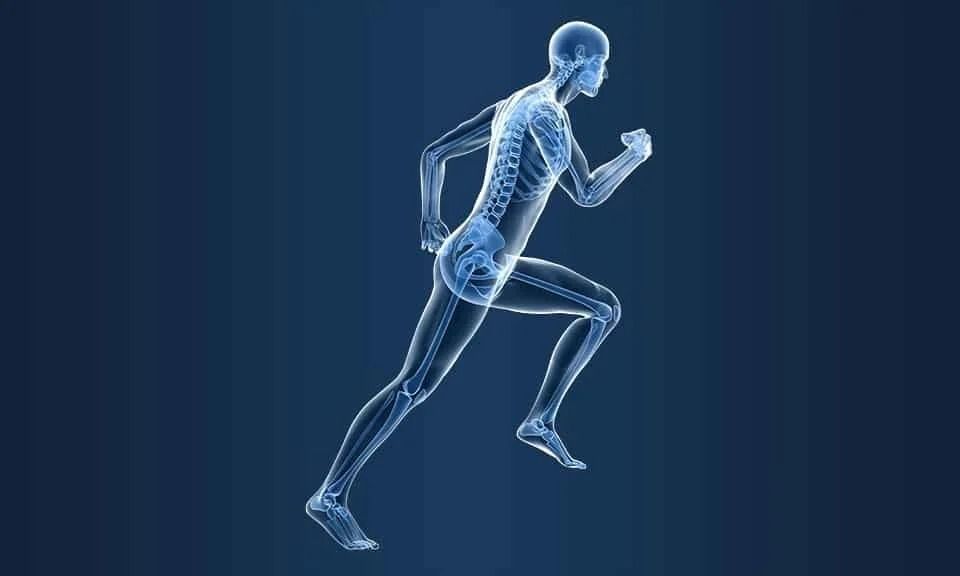
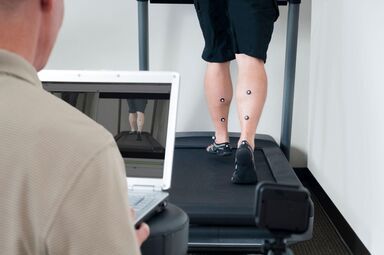
Every runner has a unique running style, also known as running mechanics. Running efficiently means understanding your body and your mechanics. Your joints and bones play a big role in how you run. For example: Joint Range of Motion (ROM) : This is how much your joint can move. If your ankle does not move as much as it should, you might adjust your landing. You may end up striking with your forefoot or midfoot instead of your heel. Bony Anatomy : Your natural bone structure also matters. If your feet naturally point outward, forcing them straight can cause pain in your hips or knees. Common Running Issues That Can Lead to Injury Sometimes, small changes in how you run can lead to injuries. Some problems we see include: Overstriding : Landing with your foot too far ahead of your body. Slow Step Rate : Taking too few steps each minute. Insufficient Knee Bend : Not bending your knee enough when your foot lands. The good news is that a proper gait analysis and training program can help reduce these issues and lower your risk of injury . How a PT Can Help Ensure You Are Running Efficiently At Tualatin Valley Physical Therapy, during one of our specialized running assessments, our experienced therapists use a simple, step-by-step approach to analyze your running form : Discussion and History : We start by talking about your training history and daily activities to understand what might be affecting your running. Physical Exam : We check your range of motion, strength, and how you move. We even look at your shoes! Running Analysis : You’ll run on a treadmill while we observe your form. This is our best “special test” because watching you run gives us the clearest picture of your mechanics. After the analysis, we work with you to develop a plan to gradually change your running style so you can run more comfortably and reduce the risk of injury. The Four S’s of Running Analysis We like to keep our approach simple. Here are the “Four S’s” we use when looking at your running form: 1. Sound Before we even watch you run, we listen to the sound of your steps. Ask yourself: Do your feet land softly, or do they make a loud thump? Is the sound the same for both feet? Does the sound change when you run barefoot or in different shoes? Listening helps us tell if you might be overstriding or landing too harshly. 2. Strike This means how your foot lands: Heel Strike: Landing on your heel. Midfoot or Flat-Footed: Landing with your whole foot. Forefoot Strike: Landing on the front part of your foot. Each type has its benefits and challenges. For example, a forefoot strike might reduce shock for some runners, while a heel strike can be better for others - especially if they are dealing with issues like calf pain. We look at your natural strike and discuss any changes that might help you run pain-free. 3. Step Rate (Cadence) Step rate is the number of steps you take each minute (your cadence). Research shows that: A higher step rate with shorter strides can lessen the impact on your knees and hips . A small increase (about 5-10% above your usual rate) can make a big difference. However, a step rate that’s too high can be tiring, so we find the right balance for you. 4. Speed Speed is how fast you run, which affects your overall form. When you run faster, you push off the ground harder and may change your stride. We take into account your usual pace and any specific race or training speeds. This helps us know what speeds to use during your analysis and when to push you a bit more as you improve. The Bottom Line Running is simple, but small changes in your form can have a big impact on how your body feels. At Tualatin Valley Physical Therapy, we use a straightforward approach to help you improve your running mechanics and run more efficiently. By analyzing your sound, strike, step rate, and running speed, we can make smart changes to help prevent injury and boost your performance. Ready to run without pain ? Contact us today to set up your running analysis and take the next step toward a healthier, more enjoyable run. BOOK NOW!
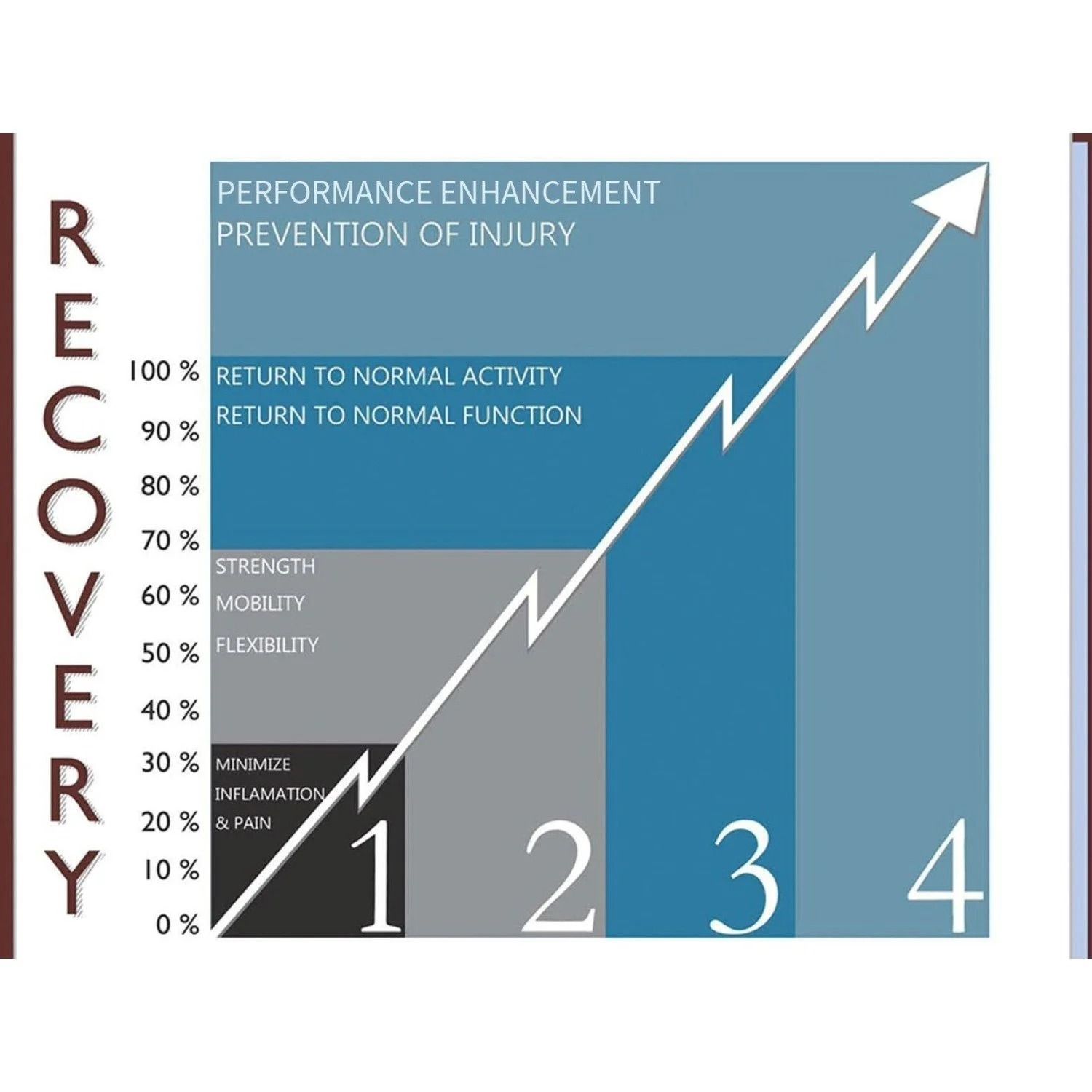
No two bodies are the same, and neither are injuries. Yet too often, injury recovery is treated like a “one-size-fits-all” process: generic rest, generic stretches, and a handout full of exercises that may or may not apply to your situation. At Tualatin Valley Physical Therapy, we take a different approach: every injury recovery plan is individually tailored to the person in front of us. Why? Because a plan that’s not personalized won’t give you the best chance at healing fully or staying injury-free long term. Let’s explore why tailoring your recovery plan matters and how a personalized approach leads to better outcomes. Why Personalized Recovery Plans Work Better Research supports what many PTs already know: individualized rehab plans lead to faster recovery, better function, and a lower risk of reinjury. A 2021 study in the Journal of Orthopaedic & Sports Physical Therapy found that tailored exercise programs were significantly more effective than standardized ones for improving pain and return-to-activity outcomes in patients with musculoskeletal injuries (Cook et al., 2021). That’s because tailored plans account for: Your unique movement patterns The specific demands of your sport or lifestyle Your goals (e.g., return to CrossFit , play with your kids, hike pain-free) Previous injury history or medical conditions How your body responds to treatment over time When we understand the full picture, we can treat the root cause and not just the symptoms . Key Elements of a Tailored Injury Recovery Plan Functional Assessment Before creating your plan, we assess how you move, not just where it hurts. This includes joint mobility, muscle strength, balance, gait, and sport -specific tasks. Goal-Oriented Programming Rehab for a jiu-jitsu athlete looks different than rehab for someone recovering from a car accident . Your goals guide your plan from exercise selection to return-to-activity timelines. Real-Time Progression We continually adapt your plan based on how your body responds. If something isn’t working, we change it. If you’re progressing faster, we scale up. Cookie-cutter programs can’t do that. Preventive Strategies Your plan doesn’t end when the pain stops. We build in strategies to help you maintain results, prevent reinjury , and optimize performance. Why “Rest and Hope” Isn’t a Plan Too many people are told to “just rest” or “wait and see.” While rest is sometimes necessary in the early stages of healing, passive recovery doesn’t rebuild strength, restore function, or address the root cause . Without guided movement and progressive loading, healing is slower, and the risk of recurrence increases. PT provides you with a safe, strategic roadmap to recovery. The Tualatin Valley PT Difference When you work with us, you won’t get a sheet of exercises and a pat on the back. You’ll get: One-on-one sessions with a licensed Doctor of Physical Therapy A recovery plan tailored to your body and goals Hands-on techniques to reduce pain and restore motion Education and support every step of the way Whether you're recovering from a sports injury, an auto accident, or everyday wear and tear, we build a path that helps you heal fully and come back stronger. BOOK NOW!
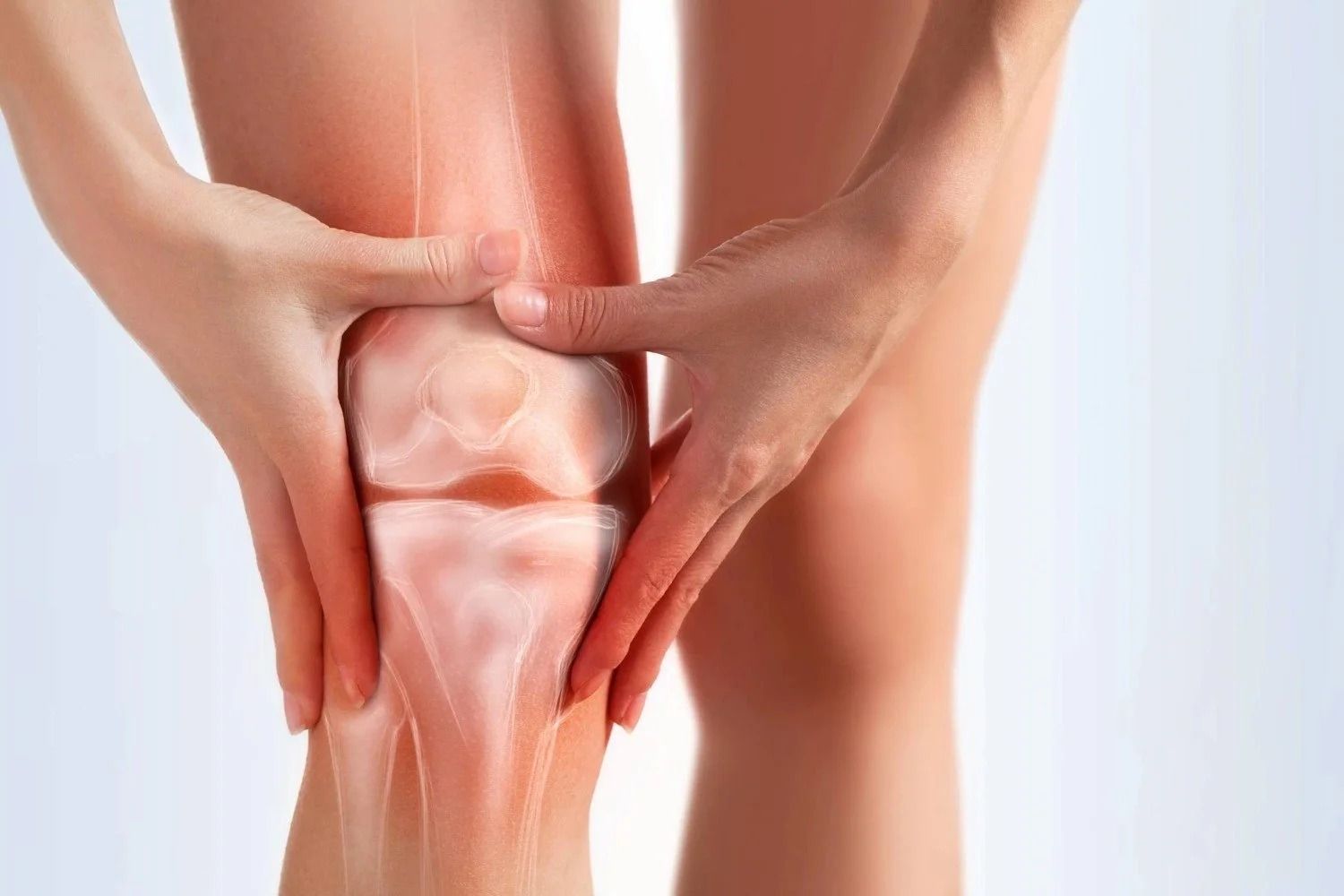
Manage knee pain from high-impact activities with tailored strategies. Contact Tualatin Valley Physical Therapy for expert care today!
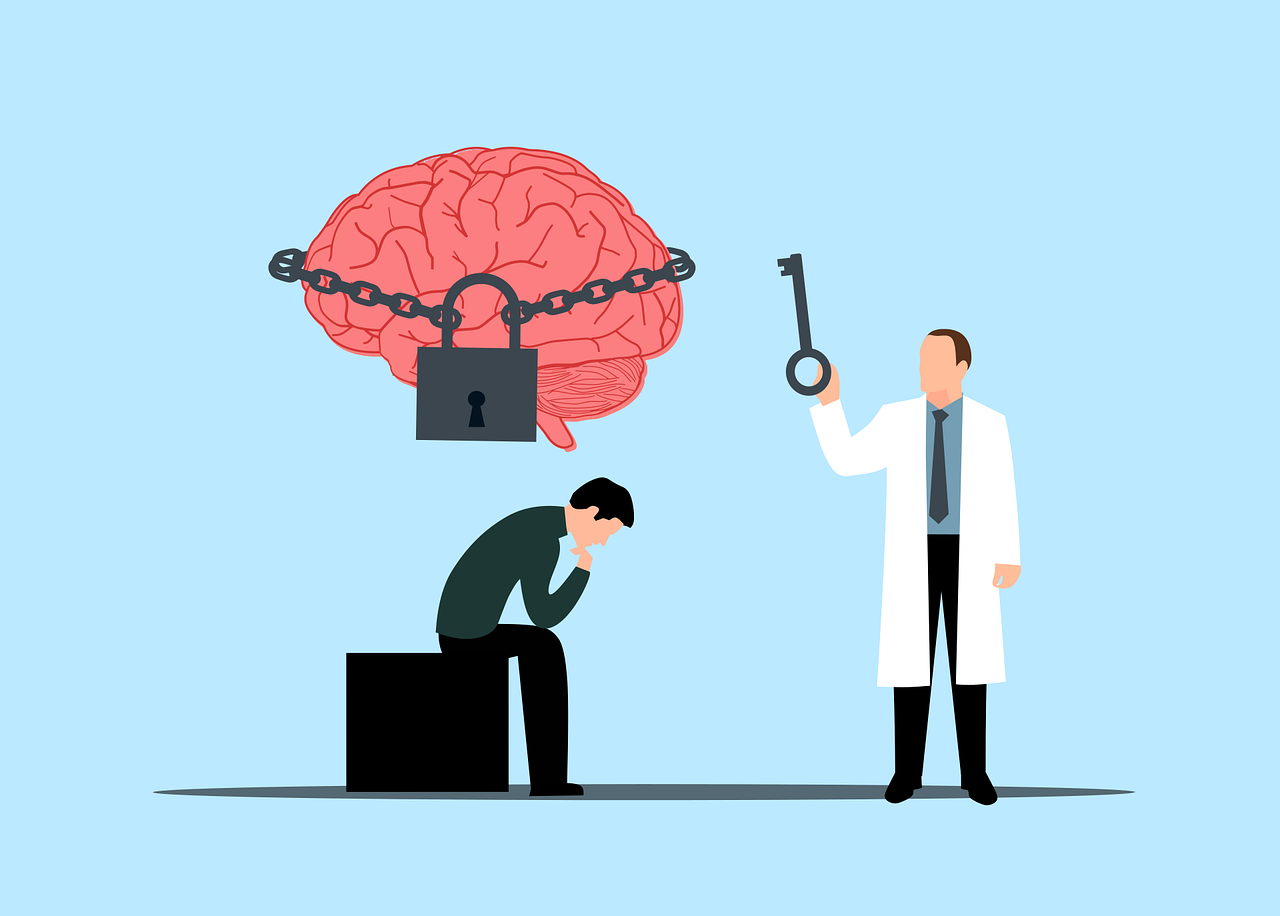
Recovering from a physical injury is hard enough, but what often gets overlooked is the mental recovery that comes with it. Fear of reinjury, loss of confidence, anxiety about performance, and even identity challenges can all become obstacles long after your body has healed. These mental blocks are common and valid, but they don’t have to hold you back forever. At Tualatin Valley Physical Therapy, we help you navigate both the physical and psychological side of injury recovery. Here's how to move past your fear to overcome mental blocks and get back to doing what you love with confidence. What Are Mental Blocks After Injury? Mental blocks are psychological barriers that make you hesitant, or even afraid, to move, train, or return to activity after injury. Common signs include: Fear of reinjury during certain movements Avoiding previously painful or challenging activities Feeling "fragile" or unsure about your body’s capabilities Overthinking or hesitating during workouts or sports General anxiety or frustration about recovery progress According to a 2017 review in the British Journal of Sports Medicine, psychological factors such as fear-avoidance, low confidence, and catastrophizing significantly affect rehabilitation outcomes and return-to-sport rates (Ardern et al., 2017). Why You Can’t Ignore the Mental Side of Recovery Even after the physical damage has healed, your brain still remembers the pain or trauma. It builds protective habits, like altered movement patterns or mental hesitation, which can increase your risk of reinjury or stall your progress. If left unaddressed, these mental blocks can: Delay full return to activity or sport Limit performance Cause compensations or new injuries Undermine your motivation to stay active Recovery isn’t just about muscle and joint strength; it’s about rebuilding trust in your body. How to Overcome Mental Blocks After Injury Acknowledge the Fear You’re not “being dramatic” or “just weak.” Mental blocks are real. Start by naming them and recognizing that fear is your brain’s way of protecting you. Work with a PT Who Gets It Physical therapists trained in orthopedic rehab understand both the movement patterns and mental components of recovery. We help you move safely and gradually rebuild your confidence one rep at a time. Use Graded Exposure Instead of jumping right back into high-level training, we use graded exposure, progressively reintroducing movements in a controlled way to teach your brain that it’s safe again. Studies show this method reduces fear and improves function. Track Progress Physically & Mentally Set physical goals (e.g. squatting bodyweight) alongside psychological goals (e.g. performing that squat without hesitation). Small wins build confidence. Learn to Listen to Your Body, Not Just Your Thoughts Pain doesn’t always mean danger . We help you interpret what your body is telling you, rather than catastrophizing every ache. Celebrate Wins, Even Small Ones Did a workout without fear? Pushed through a movement you’ve been avoiding? That’s progress. The mental recovery journey deserves just as much recognition as the physical side. You’re Not Alone, We’ve Got You If fear, anxiety, and/or hesitation are keeping you from getting back to sport, fitness, or just feeling like yourself again, you're not broken, and you're not alone. At Tualatin Valley Physical Therapy, we help you: Understand what’s going on Rebuild your trust in movement Return to life stronger, both physically and mentally BOOK NOW!
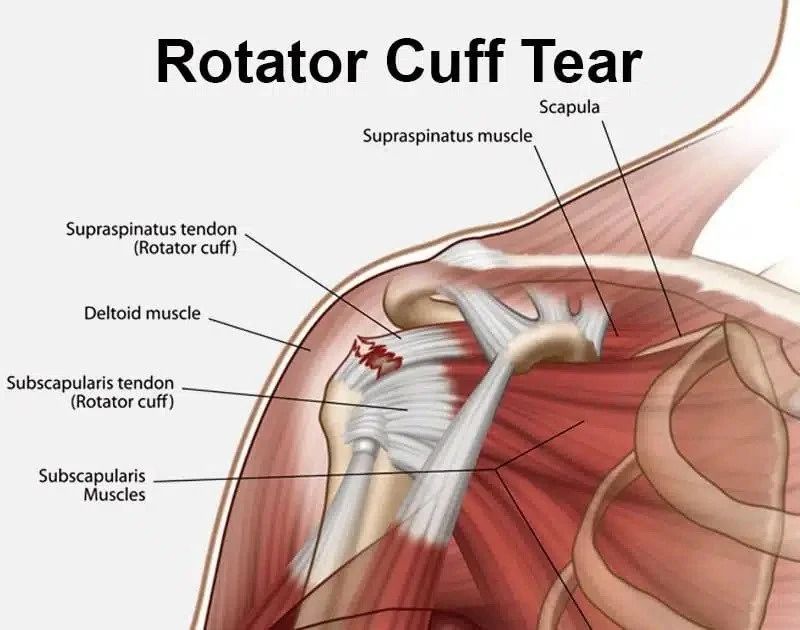
Whether you're an athlete, a gym-goer, or someone who just reached awkwardly into the back seat, rotator cuff injuries are one of the most common causes of shoulder pain . And while some cases may require surgery, most rotator cuff injuries can be successfully treated with physical therapy. At Tualatin Valley Physical Therapy, we guide patients through full recovery using evidence-based, individualized rehab . Here’s what you need to know if you’ve injured your rotator cuff or are trying to avoid making it worse. What Is the Rotator Cuff? The rotator cuff is a group of four small muscles and their tendons that surround the shoulder joint. Their job is to: Stabilize the shoulder Assist with lifting and rotating the arm Control shoulder joint motion during daily and athletic movements These muscles work together to keep your shoulder moving smoothly and pain-free until something goes wrong. Common Rotator Cuff Injuries Rotator cuff injuries can range from minor inflammation to partial or full tears. Some develop gradually (overuse), while others occur suddenly (trauma, lifting heavy objects, or falls). Common conditions include: Rotator cuff tendinopathy (irritation/inflammation) Partial-thickness tears Full-thickness tears Impingement syndrome Bursitis (often co-occurs) Symptoms usually include: Pain with overhead movements Weakness when lifting the arm Night pain or difficulty sleeping on the shoulder Clicking or catching sensations Decreased range of motion Why Physical Therapy Works Contrary to popular belief, not all rotator cuff injuries require surgery. In fact, a 2013 study published in The Bone & Joint Journal found that over 75% of patients with non-traumatic rotator cuff tears improved with physical therapy alone (Kuhn et al., 2013). Physical therapy works by: ✅ Reducing inflammation and pain ✅ Strengthening the surrounding muscles (especially the scapular stabilizers) ✅ Improving shoulder mechanics and posture ✅ Teaching movement strategies to avoid aggravating the injury ✅ Preventing further tearing or degeneration What Rehab Looks Like At Tualatin Valley PT, rotator cuff rehab is tailored to your injury type, activity level, and goals. Here’s a general roadmap: Phase 1: Reduce Pain & Inflammation Soft tissue techniques Modalities (ice, e-stim, HILT , etc.) Gentle range of motion exercises Postural corrections Phase 2: Restore Movement & Stability Active-assisted and active motion Scapular control drills Isometric strengthening Phase 3: Build Strength & Function Resistance exercises for rotator cuff & upper back Functional movement training (lifting, reaching, overhead work) Sport-specific drills if needed Phase 4: Prevent Reinjury Return-to-activity testing Ergonomic & technique adjustments Home program for maintenance When to Seek Help If shoulder pain: Lasts more than a few days Wakes you up at night Limits overhead or daily activity Is accompanied by weakness or instability …it’s time to see a physical therapist. Early intervention can prevent small issues from becoming chronic or surgical ones. Our Approach at Tualatin Valley PT We offer one-on-one care designed to: Keep you active during recovery Avoid unnecessary imaging or surgeries Get you back to lifting, training, or daily life pain-free Empower you with the knowledge and tools to stay better, longer Need help with shoulder pain? Same-day appointments available. BOOK NOW! Let’s rebuild your strength - one rep at a time.
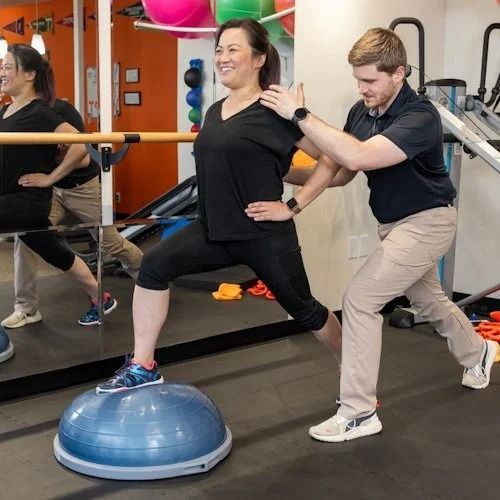
Most people are familiar with traditional physical therapy: short, busy appointments, lots of paperwork, confusing insurance rules, and seeing your therapist for only 20-30 minutes before being handed off to someone else. Boutique physical therapy is the opposite. It’s a growing, patient-focused model designed for people who want clear answers, better outcomes, and a PT who works with them every step of the way. At Tualatin Valley Physical Therapy, we proudly operate as a boutique-style physical therapy clinic, even if we have rarely used that phrase publicly before. Here’s what that actually means, and why it matters for your care Boutique PT Is 1-on-1, Personalized Care In many insurance-based clinics, therapists juggle 2–4 patients at once. In a boutique clinic, every visit is: One-on-one With your Doctor of Physical Therapy (DPT) For a full 60 minutes No techs, no aides, no hand-offs. You get the undivided attention and customized treatment you deserve. It’s Built Around Your Goals, Not Insurance Rules Insurance often dictates: How many visits you get Which treatments are “allowed” When you have to stop How long your sessions last Boutique-style PT removes these restrictions. Your treatment plan is based on: What you want to do What your body needs How fast you want to progress The latest evidence and clinical reasoning This leads to faster, more meaningful results. Longer Appointments = Deeper Progress A full hour of focused care allows for more: Thorough assessments Strength & mobility work Coaching and re-training Education on healing and prevention Hands-on treatment Goal-setting Lifestyle modifications You leave each session feeling supported, confident, and clear about what’s next. Transparent, Stress-Free Pricing Boutique clinics typically offer: Flat-rate pricing Superbills (if you want to submit to insurance) No hidden fees No surprise bills No deductibles or denials This gives you more control over your time, your finances, and your healthcare decisions. Holistic, Functional, Long-Term Care Boutique PT looks beyond injury. We focus on: Strength training Mobility Performance Sport or activity goals Preventing reinjury Improving overall movement and confidence We don’t just get you “back to baseline.” We help you reach your potential. A Better Experience = Better Outcomes People choose boutique physical therapy because they feel: Heard Understood Supported Educated Encouraged Involved in their care This relationship-centered model builds trust, the foundation for real progress. Is Boutique PT Right for You? It’s ideal for: Busy professionals Active adults Athletes of all levels People who want faster results Anyone frustrated with insurance limitations Patients who want more personalized, uninterrupted care If you want a clear plan, consistent support, and meaningful long-term results, boutique PT is for you. Boutique PT is Healthcare Done Differently It gives you: More time More support More clarity More progress And ultimately, better outcomes. If you’re ready to take control of your health, move with confidence, and finally feel supported every step of the way, boutique-style PT may be the best fit for you. CLICK HERE TO BOOK YOUR APPOINTMENT
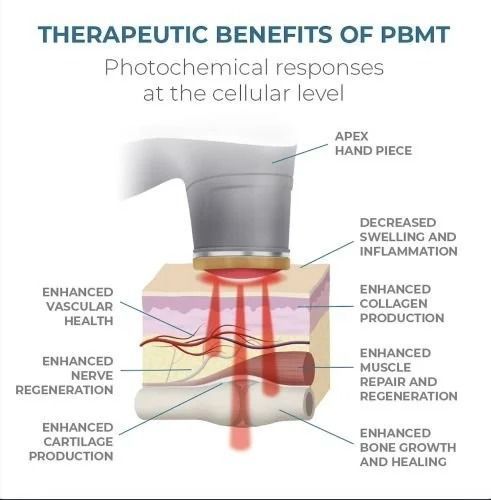
Pain from injuries or chronic conditions can make it difficult to stay active, train consistently, or move comfortably. Whether the issue involves a tendon injury, muscle strain, joint irritation, or nerve-related pain, many people want treatment options that help them recover faster without relying solely on medications or invasive procedures. One treatment that has gained increasing attention in orthopedic rehabilitation is Class 4 laser therapy , also known as high-intensity laser therapy (HILT) . What are the benefits of high-power laser therapy? This technology uses specific wavelengths of light to stimulate cellular activity, reduce inflammation, and promote tissue healing. High-intensity laser therapy has become a valuable tool in sports medicine and physical therapy because it can help patients reduce pain, improve mobility, and support recovery from a variety of musculoskeletal conditions. This article explains how class IV laser therapy works, what conditions it may help treat, and why it is often combined with physical therapy to support long-term recovery. What Is High-Intensity Laser Therapy? High-intensity laser therapy uses concentrated light energy to stimulate biological processes within injured tissues. Unlike surgical lasers that cut or cauterize tissue, therapeutic lasers deliver light energy that penetrates the skin and interacts with cells. This process is known as photobiomodulation (PBM) . When laser light enters tissue, it stimulates cellular structures called mitochondria* , which produce cellular energy in the form of ATP (adenosine triphosphate). Increased ATP production helps cells perform their normal functions more efficiently, including tissue repair and regeneration. High-intensity lasers can deliver deeper penetration and higher energy levels than low-level laser devices, allowing them to reach muscles, tendons, ligaments, and joints more effectively. *THE POWERHOUSE OF THE CELL How Class 4 Laser Therapy Works Class IV laser therapy influences several biological processes that contribute to healing and pain reduction. Increased Cellular Energy Production The primary effect of laser therapy is increased mitochondrial activity, which leads to greater ATP production. This increase in cellular energy helps accelerate tissue repair and supports the body's natural healing processes. Improved Blood Flow Laser therapy promotes vasodilation , or widening of blood vessels. This increases circulation to injured tissues, delivering oxygen and nutrients that support healing. Improved circulation also helps remove metabolic waste products from injured areas. Reduced Inflammation Inflammation is a normal part of tissue healing, but persistent inflammation can contribute to chronic pain and delayed recovery. Laser therapy may help regulate inflammatory processes, reducing swelling and tissue irritation. Pain Modulation Laser therapy can influence pain signals within the nervous system. It may reduce pain sensitivity and stimulate the release of natural pain-modulating chemicals in the body. Many patients report noticeable pain relief after treatment. Conditions That May Benefit From HILT High-intensity laser therapy is commonly used to help treat a variety of orthopedic and sports injuries. Common conditions include: Tendon injuries Achilles tendinopathy Patellar tendinopathy (jumper’s knee) Hamstring tendonitis Gluteal tendinopathy Tennis elbow (lateral epicondylitis) Golfer’s elbow (medial epicondylitis) Plantar fasciitis Muscle strains Ligament sprains Joint inflammation Neck or back pain Bursitis Nerve irritation Athletes frequently use laser therapy as part of rehabilitation programs to support recovery from overuse injuries and training-related pain . The Benefits of Class IV Laser Therapy in Sports Medicine In sports medicine settings, high-intensity laser therapy is often used alongside exercise therapy and manual treatment techniques. For active individuals, the goal is not simply to reduce pain but also to restore normal movement and prevent injuries from returning. Class 4 laser therapy helps reduce pain and inflammation, which allows patients to participate more comfortably in rehabilitation exercises designed to rebuild strength and mobility. For runners , strength athletes, and martial artists , this can help support a faster return to training and activity . What to Expect During a Laser Therapy Session High-intensity laser therapy treatments are typically quick and comfortable. During the session, the clinician applies the laser device to the injured area and moves it slowly across the skin. Protective eyewear is worn to ensure safety. Most treatments take 5 to 15 minutes , depending on the size of the treatment area. Patients often feel a gentle warming sensation during the treatment as light energy penetrates the tissue. Because laser therapy is noninvasive, no recovery time is required after treatment. Is High-Intensity Laser Therapy Safe? When performed by trained healthcare professionals, high-intensity laser therapy is considered safe. Clinicians adjust treatment parameters based on the condition being treated and the depth of tissue involvement. Contraindications and safety guidelines are carefully followed to ensure appropriate use. As with any treatment, laser therapy is used as part of a comprehensive rehabilitation program , rather than as a standalone solution. Why Laser Therapy Works Best With Physical Therapy While high-intensity laser therapy can help reduce pain and inflammation, long-term recovery requires addressing the underlying cause of the problem. Physical therapy focuses on restoring: Strength Mobility Stability Movement mechanics Combining laser therapy with targeted exercises and manual therapy helps patients not only feel better but also move better and reduce the risk of reinjury . For many orthopedic conditions, this integrated approach provides the most sustainable results. Who May Benefit From Laser Therapy? High-intensity laser therapy may benefit individuals who: Are dealing with persistent musculoskeletal pain Want to support recovery from sports injuries Are experiencing tendon or ligament irritation Want non-invasive treatment options It can be especially helpful for active individuals who want to stay engaged in their training while managing pain and healing injuries. Not a Standalone Treatment High-intensity laser therapy is an increasingly popular tool in orthopedic rehabilitation and sports medicine . By stimulating cellular energy production, improving circulation, and helping regulate inflammation, it may support the body's natural healing processes and reduce pain. When combined with targeted physical therapy, laser therapy can help patients recover from injuries, improve movement, and return to the activities they enjoy. For runners , athletes, and active adults, this approach provides a science-based way to support healing while continuing to build strength and resilience. If this sounds right for you, click here to apply for an Accelerated Recovery & Performance Evaluation.
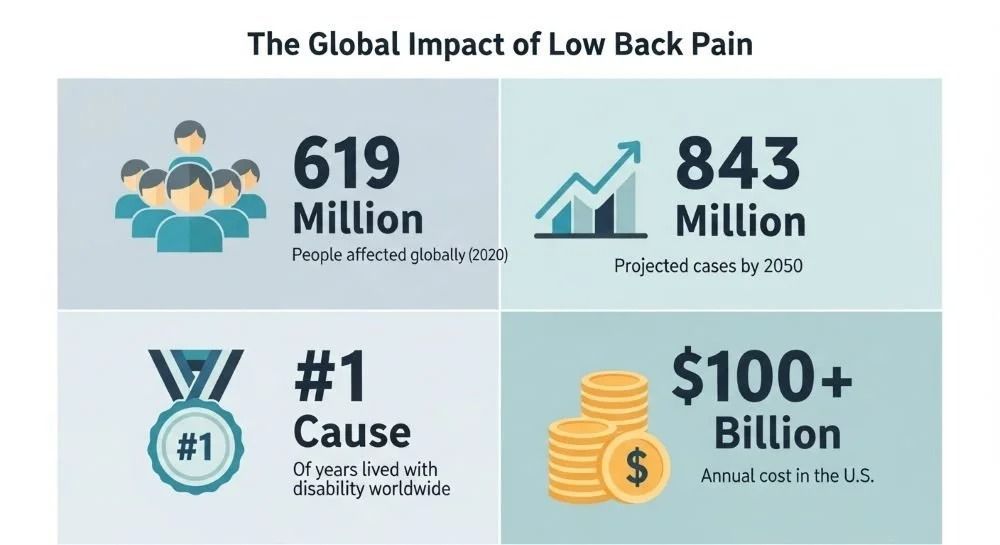
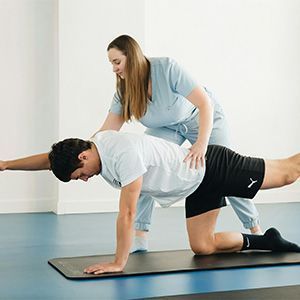
Low back pain isn’t just common; it’s one of the leading causes of disability worldwide , affecting hundreds of millions of people every year. But here’s the problem: Most people treat back pain with temporary fixes, such as rest, medication , or passive treatments, without ever addressing the root cause . If you want lasting relief, you need something different. You need a strategy that builds resilience, restores mobility, and strengthens your body long-term with targeted low back pain exercises. Why “Resting Your Back” Often Makes It Worse It sounds counterintuitive, but prolonged rest can actually: Increase stiffness Weaken key stabilizing muscles Delay healing Make pain more persistent At Tualatin Valley Physical Therapy, we follow a simple principle: Movement is medicine. The right low back pain exercises, performed correctly, help your body heal, adapt, and become more resilient. The 3 Pillars of a Pain-Free Back Lasting relief comes down to 3 key elements: 1. Mobility Your spine needs to move freely, especially through the thoracic (mid-back) and hips. 2. Stability Your core acts like a natural brace to protect your spine. 3. Strength Your glutes and posterior chain absorb load, so your lower back doesn’t have to. The 3 Most Important Exercises for Low Back Pain These aren’t random exercises. They’re foundational, evidence-based movements that physical therapists use to rebuild your body the right way. 1) Bird Dog (Core Stability & Control) Why It Works The Bird Dog teaches your body how to stabilize the spine during movement , something your back needs every single day. It targets: Deep core muscles Spinal stabilizers Glutes How to Do It Start on hands and knees Extend opposite arm + leg Keep hips level and core engaged Move slow and controlled 2–3 sets of 8–12 per side. Once you get the hang of it, begin to add 5-10 second holds to each rep. Pro Tip “Imagine balancing a glass of water on your back.” 2) Cat-Cow (Spinal Mobility & Relief) Why It Works This movement gently restores spinal motion and reduces stiffness , especially if you sit a lot. How to Do It Inhale → arch your back (Cow) Exhale → round your spine (Cat) Move slowly with your breath 10–15 controlled reps three times a day Pro Tip Don’t force it; focus on smooth, pain-free motion throughout your entire spine 3) Glute Bridge (Strength & Back Protection) Why It Works Weak glutes = your lower back works overtime. This exercise: Strengthens glutes + hamstrings Improves pelvic control Reduces stress on your spine How to Do It Lie on your back, knees bent Drive through heels Lift hips → squeeze glutes Lower slowly 2–3 sets of 12–15 reps. Once you get the hang of it, begin to add 5-10 second holds to each rep. Pro Tip “If you feel it in your back, reset, you should feel it in your glutes.” Why These 3 Exercises Work Together Bird Dog → stability Cat-Cow → mobility Glute Bridge → strength Together, they create a complete system for spinal health The Real Secret: Consistency Doing these once won’t fix your back. But doing them consistently ? That’s where real change happens. Aim for 3–5 days per week Even small improvements in movement can significantly reduce your risk of back pain. When You Should Seek Help If you have: Pain that isn’t improving Pain that radiates down your leg Recurrent flare-ups Difficulty returning to activity It’s time to work with a Doctor of Physical Therapy The Bottom Line Low back pain isn’t just something you “deal with.” It’s something you can fix with the right strategy. These 3 exercises give you a simple, powerful starting point to: Reduce pain Improve movement Build long-term resilience Ready to Fix Your Back Pain for Good? At Tualatin Valley Physical Therapy , we help active adults and athletes: ✅ Move better ✅ Get stronger ✅ Stay pain-free long-term Schedule your free 15-minute consultation today