

Relief from Neck Pain and Headaches in Hillsboro, OR
Reduce pain. Restore mobility. Feel clear-headed again.
Neck pain and headaches, also known as cephalalgia, often go hand in hand.
Whether symptoms feel like stiffness, tension, pressure, or radiating discomfort, these conditions can interfere with work, sleep, focus, exercise, and daily comfort.
At Tualatin Valley Physical Therapy, we help patients throughout Hillsboro and the Tualatin Valley identify the true drivers of their symptoms and restore comfortable, confident movement. Effectively, we treat the cause, not just the symptoms.
Common Symptoms We Address
We frequently work with:
Neck stiffness or tightness
Tension cephalgia
Aches at the base of the skull
Pain with turning or looking down
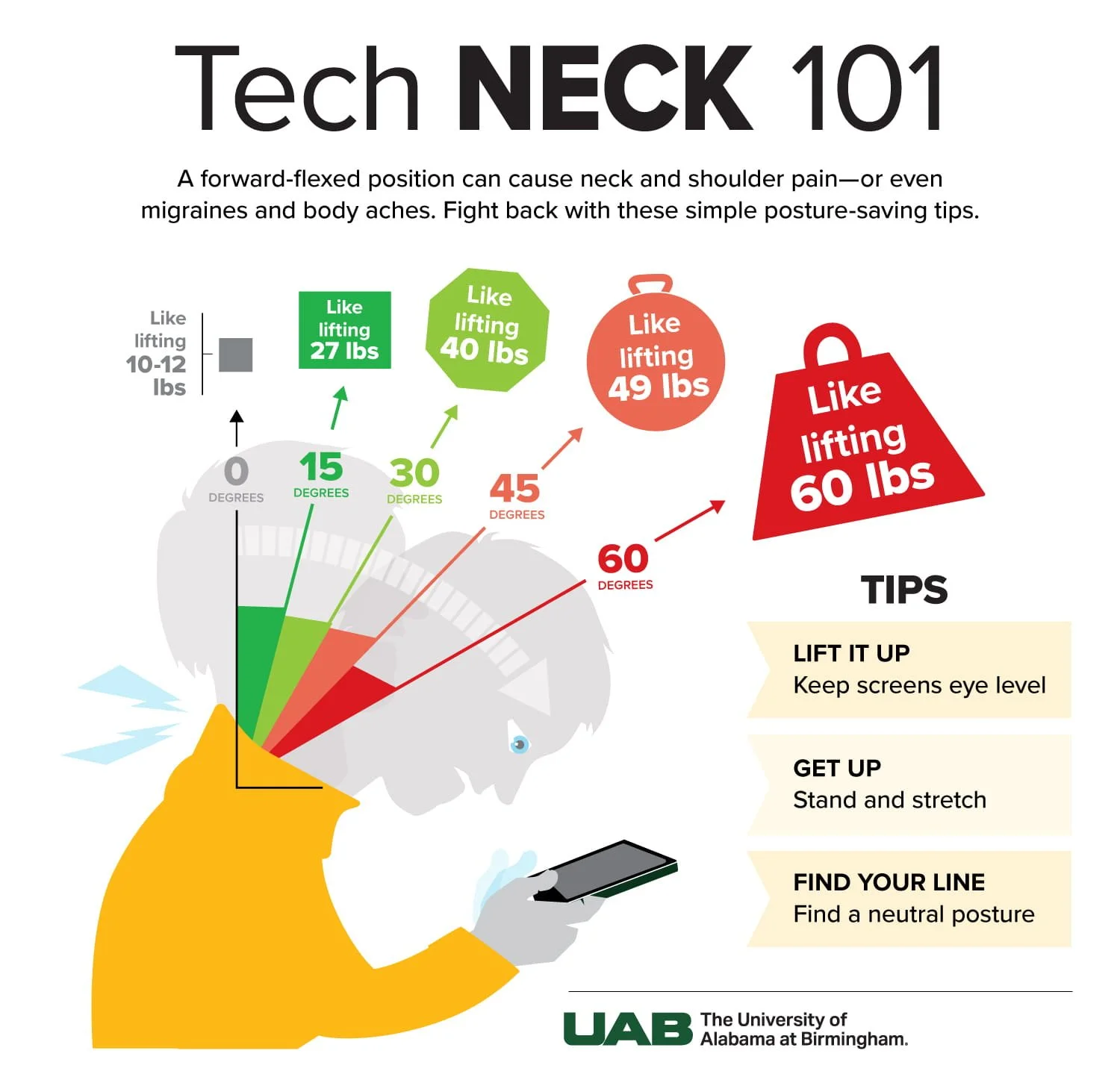
Tech neck/desk-related pain
Radiating pain into the shoulders or arms
Postural fatigue discomfort
Recurring pain patterns
Jaw & upper neck tension
Many cases involve:
✔ Joint mobility restrictions
✔ Muscle tension & fatigue
✔ Movement sensitivity
✔ Postural endurance deficits
✔ Nervous system sensitivity
There is a lot more going on than just “bad posture.”
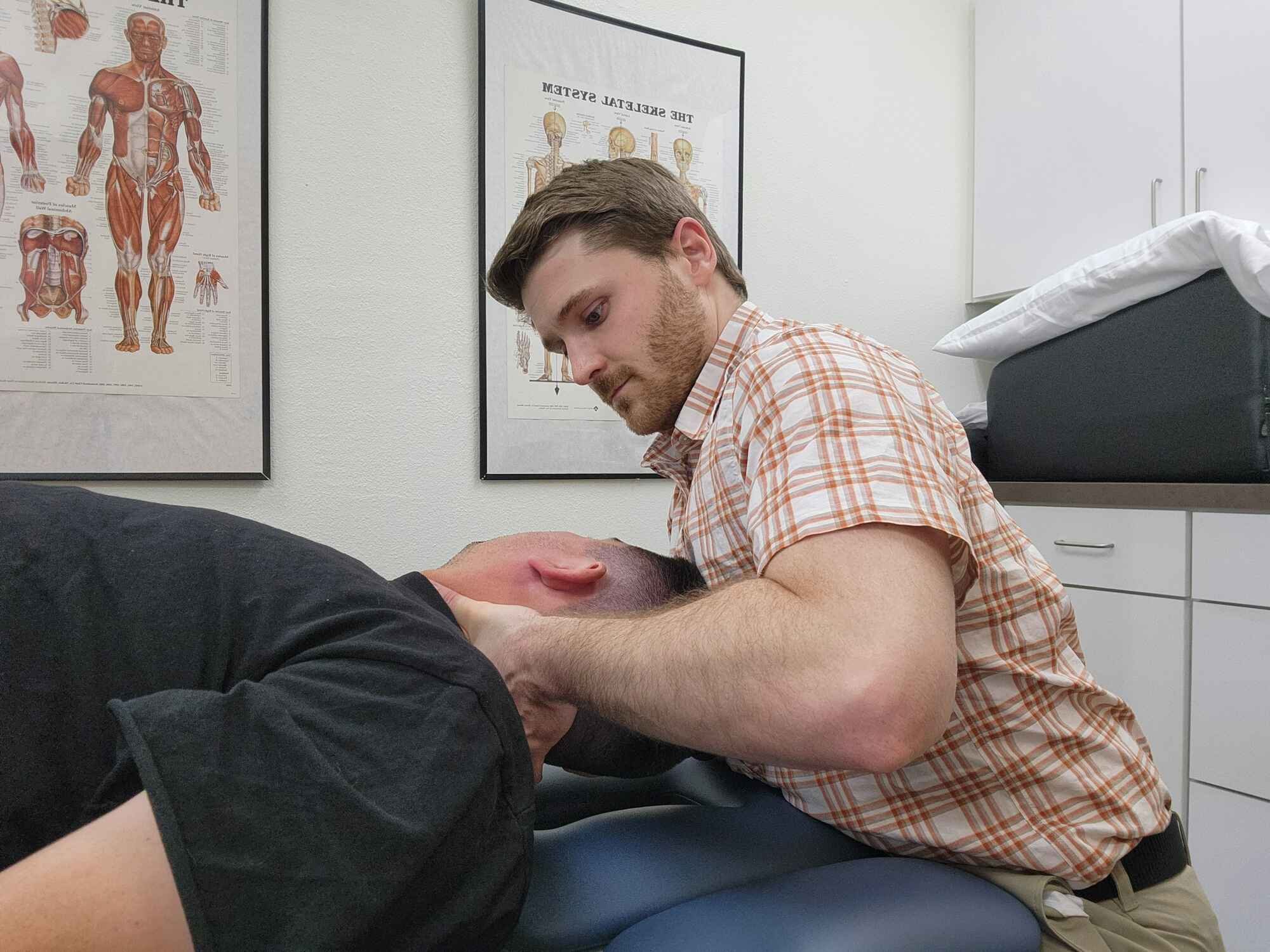
Neck-Related Cephalalgia is Extremely Common
Physical therapy often helps with:
✔ Tension-type cephalalgia
✔ Cervicogenic cephalalgia (originating from the neck)
✔ Posture-related cephalalgia
These cases of cephalalgia often worsen with:
Prolonged sitting
Screen time
Sustained head positions
Stress & tension
Neck stiffness
Improving neck mobility, motor control, strength, and tolerance can dramatically reduce symptoms.
Why Neck Pain Often Becomes Recurring
Many patients rely on temporary relief strategies:
Massage
Adjustments
Injections
Medication
Posture corrections alone
Long-term improvement usually requires:
✔ Strength & endurance restoration
✔ Mobility normalization
✔ Load tolerance improvement
✔ Movement confidence
✔ Flare-up management strategies
This is where targeted PT excels.
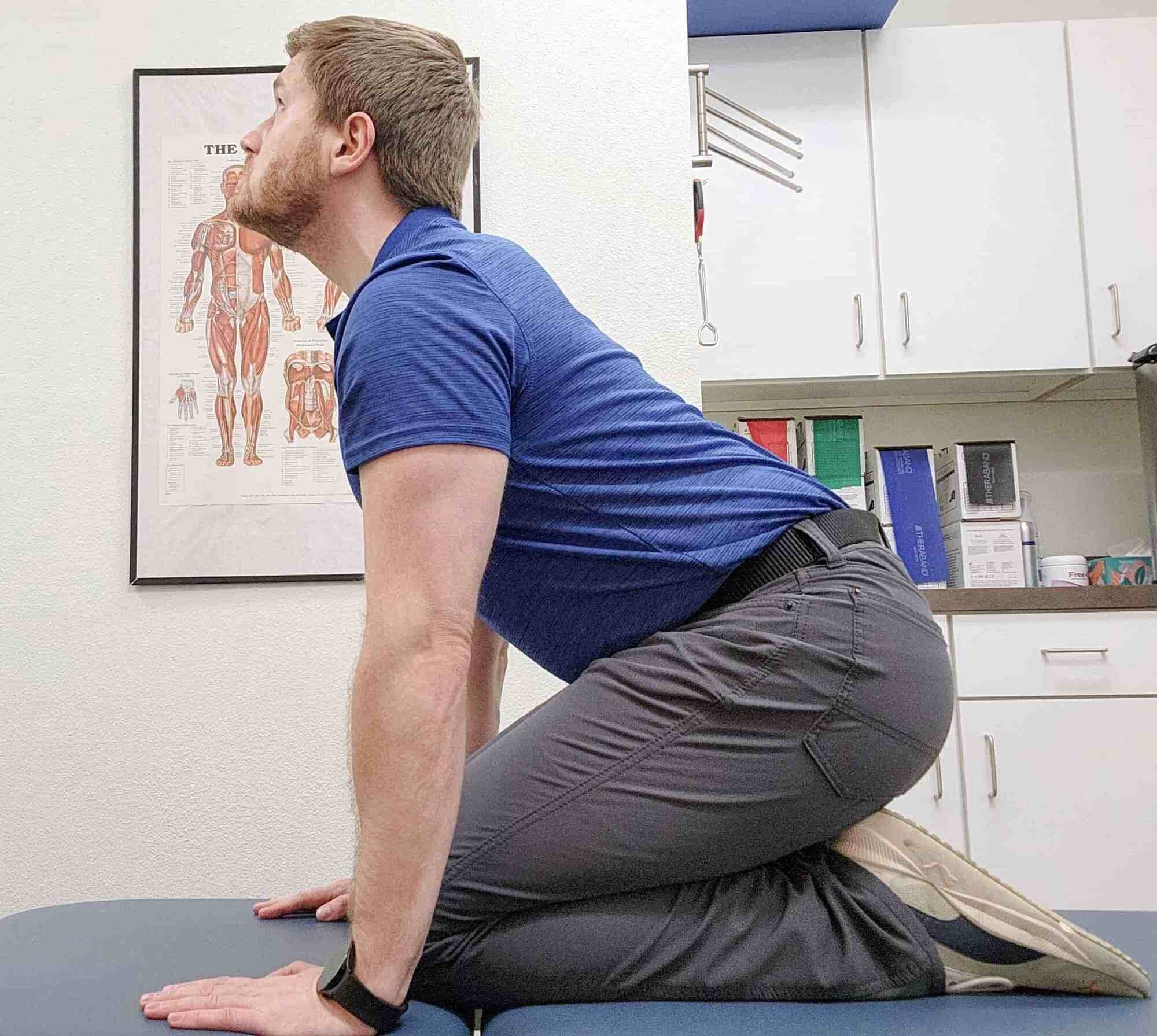
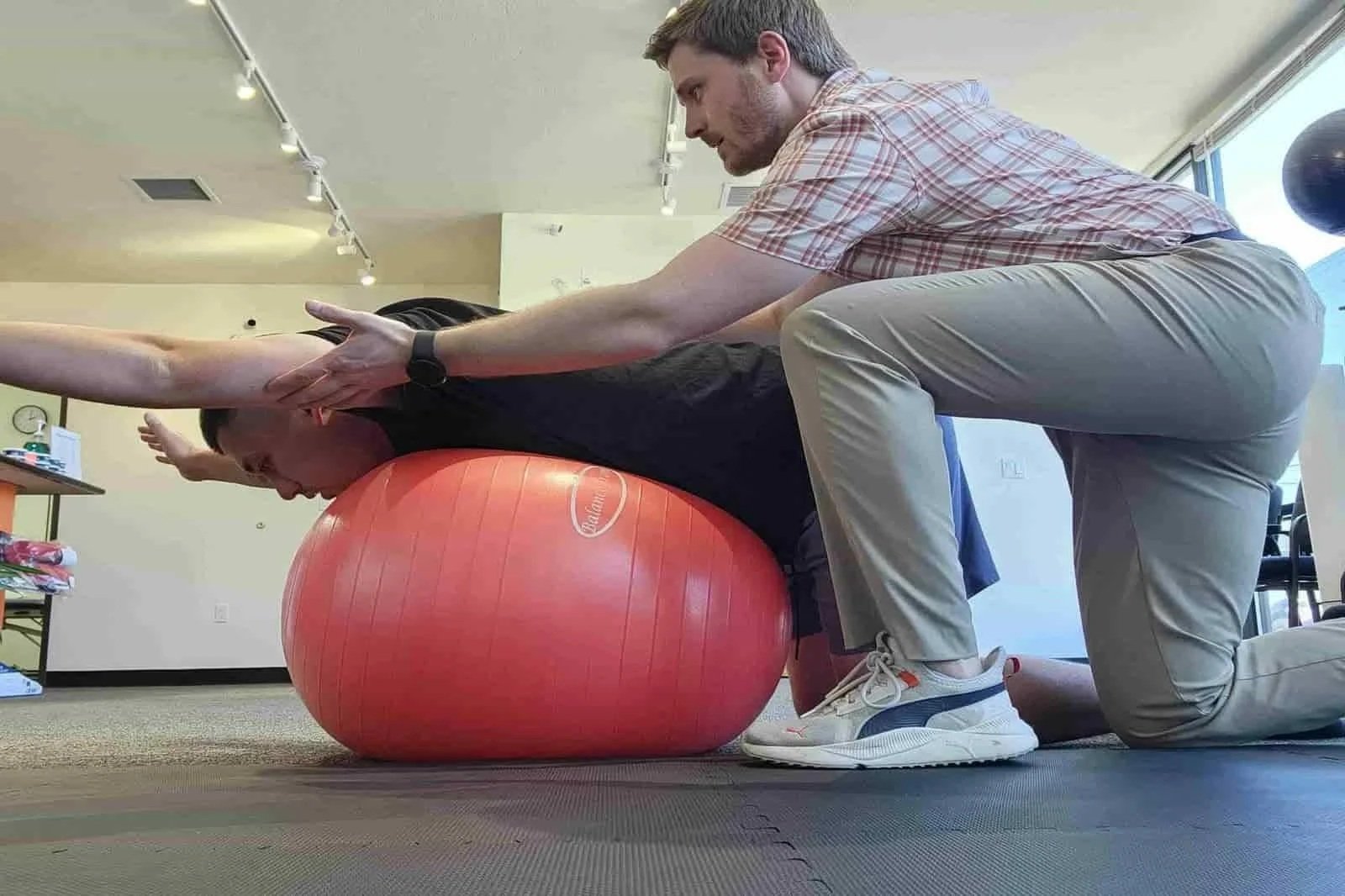
How Physical Therapy Helps Cephalgia & Neck Pain
PTs are Movement Experts
Treatment is individualized and may include:
Movement & symptom assessment
Cervical mobility evaluation
Postural tolerance screening
Muscle performance testing
Joint & soft tissue treatment
Strength & endurance progression
Headache trigger identification
Movement reconditioning
Education about pain mechanisms
Our goal is restoring comfortable:
✔ Sitting
✔ Working
✔ Sleeping
✔ Training
✔ Daily movement
Without constant tension or flare-ups.
Who We Commonly Help
We work with:
Desk workers
Remote workers
Manual laborers
Other workplace injuries
People with whiplash after a car accident
Students
Recurrent headache sufferers
Whether symptoms are new or persistent, care is tailored to your needs.
Frequently Asked Questions About Cephalgia and Neck Pain
-
Yes, particularly tension-type and cervicogenic headaches.
-
Headaches driven by cervical spine movement dysfunction or sensitivity.
-
Absolutely! Tech neck, from working on computers, and text neck, from using cell phones, is extremely common. Strength, endurance, and movement strategies significantly reduce symptoms.
-
Posture can contribute, but strength, tolerance, and movement patterns matter more. Outside of the PT clinic, it is more beneficial to move well and move often, than it is to worry about “good” posture.
-
Stretching alone is rarely sufficient for long-term improvement, but it may help with temporary relief in the meantime.
-
Many patients notice improvement within a few visits, with significant improvement typically occurring after 6-8 visits; however, it varies case-by-case depending on multiple factors.
Stop Waiting. Start Recovering.
No referrals. No insurance delays. No techs or aides.
Just one-on-one care with a Doctor of Physical Therapy.
Whether you’re dealing with back pain, a sports injury, an auto accident, or a work injury, we make it simple to get started. Same-day appointments available.
Serving Hillsboro, Cornelius, Forest Grove, Aloha, and the greater Tualatin Valley.
Call us today at (971) 238-5755, or click the button below to schedule your initial evaluation online.
Unsure if self-pay physical therapy is for you? Schedule a free 15-minute consultation using the same button!
Our friendly team is ready to guide you on your path to recovery and lasting wellness.
Auto (PIP) Accepted
〰️
Workers' Compensation Accepted
〰️
Out-of-Network Reimbursement Available
〰️
Auto (PIP) Accepted 〰️ Workers' Compensation Accepted 〰️ Out-of-Network Reimbursement Available 〰️
Transparent pricing. Clear plan. No surprise bills.
Experience the TVPT Difference.