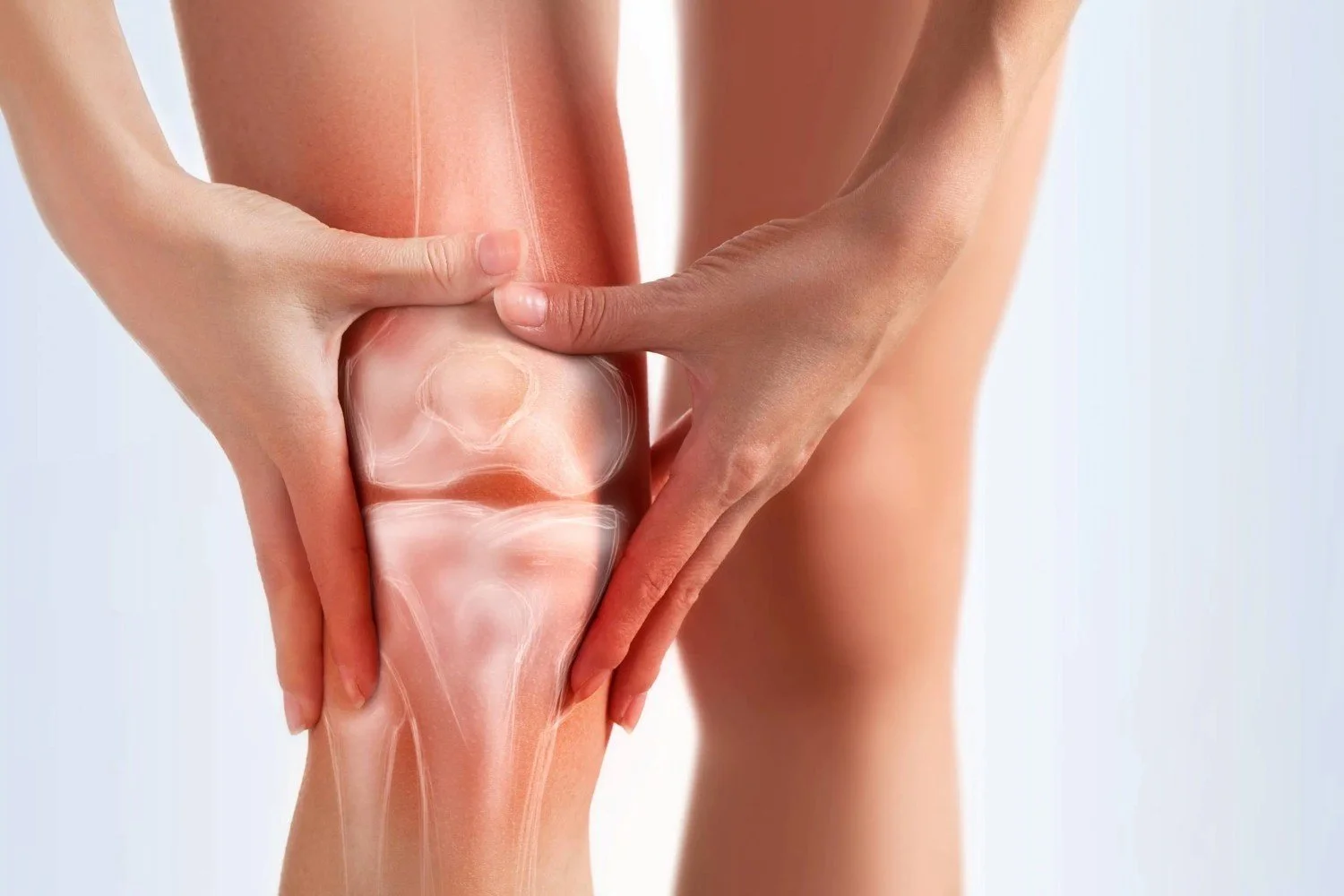
How to Manage Knee Pain from High-Impact Activities
If you love high-impact activities like running, jumping, CrossFit, martial arts, or competitive sports, you probably know what knee pain feels like. For some, it’s a dull ache after a long run. For others, it’s a sharp pain that flares up during squats, box jumps, or takedowns. While high-impact training can keep you strong and conditioned, it also puts a lot of stress on your knees - especially if there are weak links elsewhere in your movement chain.
At Tualatin Valley Physical Therapy, we want you to know that you don’t have to live with pain or stop doing what you love. The key is managing your pain smarter, not just “pushing through it.”
Why High-Impact Movements Hurt the Knees
High-impact activities place repetitive forces on your joints - particularly your knees. But pain in your knees often isn’t just a “knee problem.” Research shows it’s often the result of poor movement mechanics, muscular imbalances, and a lack of control in surrounding areas such as the hips, ankles, or core.
A 2014 study in the Clinical Journal of Sport Medicine found that abnormal hip and ankle movement patterns increase patellofemoral joint stress during high-impact tasks like jumping and running (Powers et al., 2014).
Common contributors include:
Weak gluteal and hip stabilizer muscles
Poor ankle mobility
Imbalanced quad vs hamstring strength
Tight hip flexors or calves
Poor form during repetitive loading (e.g., running, jumping, deep squatting)
When It’s Safe to Keep Training
You don’t necessarily need to stop training just because you’re experiencing knee discomfort. In fact, stopping entirely can make you weaker and more prone to future injury. The key is to modify.
You can usually keep training if:
The pain is mild (≤ 3/10 on a pain scale)
There’s no swelling or giving way of the knee
It improves with warm-up or gentle movement
It doesn’t alter your technique
A 2019 systematic review in the British Journal of Sports Medicine concluded that exercise therapy is a first-line treatment for patellofemoral pain, and that modifying load, rather than eliminating it, is key to long-term recovery (Crossley et al., 2019).
Smart Strategies to Manage Knee Pain
1. Load Management
Reduce how often, how long, or how intensely you’re doing the aggravating movement. For example, shorten your runs, use lower box jump heights, or temporarily scale back your squat depth.
2. Strengthen the Weak Links
Target the glutes, hamstrings, quads, calves, and core. Research shows that hip and glute strengthening reduces knee stress in runners and athletes.
3. Improve Mobility
Tight hips, quads, and calves can restrict motion and force compensations through the knees. Stretching, foam rolling, and joint mobilizations can reduce joint stress.
4. Focus on Technique
Whether it’s how you land a jump or how your knees track in a squat, small adjustments can drastically reduce joint strain. A PT can assess your mechanics and teach you proper movement patterns.
5. Get a PT Assessment
A thorough evaluation can help pinpoint the real reason your knee hurts. From movement screens to strength testing, we’ll find your weak links and build a plan to keep you active, without causing more damage.
When to See a Physical Therapist
If your knee discomfort:
Persists beyond a week
Worsens with activity
Disrupts your ability to train
Causes swelling or joint instability
…it’s time to get expert help. Early intervention = faster recovery and fewer long-term issues.
The Bottom Line
You don’t have to choose between your sport and your knees. With the right strategy, you can stay active, reduce pain, and even perform better than before. At Tualatin Valley Physical Therapy, we help active adults train smarter, recover faster, and prevent reinjury without relying on unnecessary imaging, injections, or prolonged rest.
Ready to fix your knee pain?
📞 Call us or book online. Same-day appointments available!