


Foot and Ankle Pain Physical Therapy: Get Your Step Back
Restore the spring in your step with personalized care focused on your goals.
Foot and ankle pain can mess with everything: walking, stairs, squatting, running, and even just standing at work. Common foot issues include plantar fasciitis, flexible flat feet (pes planus), Achilles tendon irritation, and overuse injuries from running or prolonged standing.
While supportive footwear or rest may provide temporary relief, many persistent foot problems stem from underlying strength deficits, mobility limitations, intolerance to load, or inefficient movement patterns.
At Tualatin Valley Physical Therapy, care is delivered one-on-one with a Doctor of Physical Therapy and tailored to your activity level, from daily walking to high-demand sports. We identify the root cause, work together, and develop personalized strategies to help you regain strength, mobility, and efficient mechanics so you can trust your ankle again and return to your normal movement.
Common Foot and Ankle Conditions We Treat
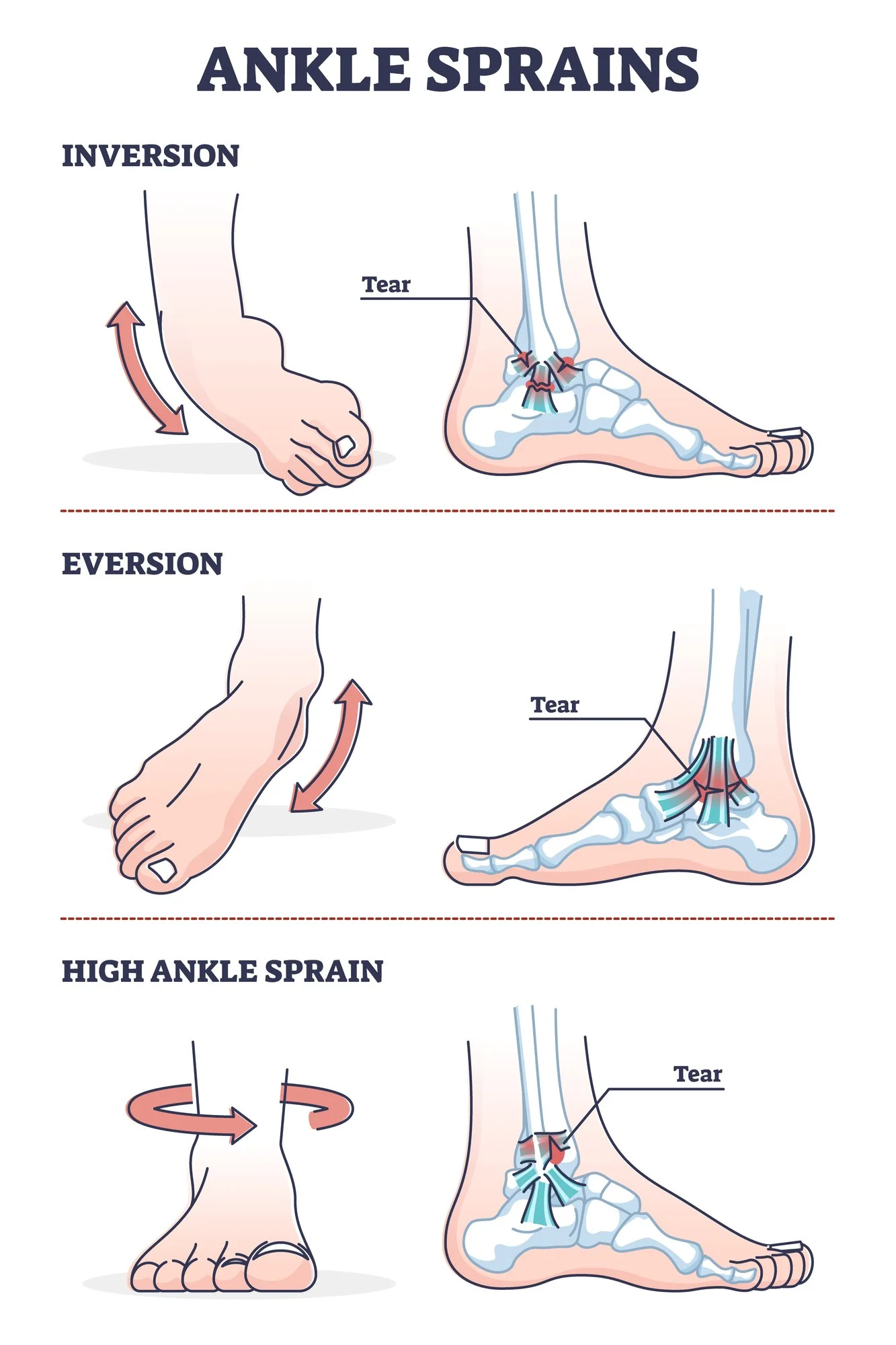
Ankle Sprains (Acute or “Old” Sprains That Never Fully Healed)
Recurring rolling/instability
Swelling that returns with activity
Pain on the outside of the ankle (most common)
Limping
Achilles Tendon Pain
The Achilles tendon connects the calf muscles to the heel bone and plays a critical role in walking and running.
Overuse, training errors, or poor mechanics can lead to Achilles tendon irritation or degeneration.
Common symptoms include:
Pain or stiffness in the back of the ankle, worse in the morning or after rest
Morning stiffness in the tendon
Pain that worsens during running, jumping activities, or hills
“Warm-up then flare later” pattern
Physical therapy focuses on improving tendon strength and gradually increasing load tolerance. Learn more.
Running-Related Foot Pain
Runners frequently experience foot issues due to repetitive impact and training progression.
Common conditions include:
Stress reactions in the foot or lower leg
Proper load management, strength training, and running mechanics can significantly reduce the risk of injury.
👉 Related article: Running Pain vs. Soreness: When to Rest and When to Run
Flexible Flat Feet (Pes Planus)
Flexible flat feet occur when the arch collapses while standing, but reappears when the foot is lifted. This condition can place additional stress on the ankle, knee, and hip.
Common symptoms include:
Arch pain or fatigue
Ankle instability
Knee or hip discomfort
Difficulty with prolonged standing or running
Physical therapy focuses on strengthening the muscles that support the arch and improving overall foot control.
Plantar Fasciitis
Plantar fasciitis is one of the most common causes of heel pain. It occurs when the plantar fascia, a thick band of tissue on the bottom of the foot, becomes irritated or overloaded.
Symptoms may include:
Sharp heel pain when taking the first steps in the morning
Pain after long periods of standing
Tenderness along the bottom of the foot
Treatment often includes mobility exercises, strengthening of the foot and calf muscles, and gradual return to activity. Learn more.
Tendon Irritation Around the Ankle
Examples include:
Peroneal tendon pain (outside)
Posterior tibialis tendon pain (inside/arch)
Other overuse issues
Ankle Stiffness/Limited Mobility
Difficulty squatting, lunging, descending stairs
“Blocked” dorsiflexion or tight front-of-ankle pinch
Post-Injury or Post-Op Rehab
If you’ve had a fracture, surgery, or prolonged immobilization, regaining motion and strength is a process, and the details matter.
Why Foot and Ankle Pain Keep Returning
Many foot and ankle issues persist because:
Strength wasn’t fully rebuilt after injury
Calf capacity is insufficient for activity demands
Balance and reaction timing weren’t retrained
Mobility limitations changed loading patterns
Return-to-sport progressed too quickly
Rehab never advanced beyond basic band exercises
Recovery consisted of rest and passive treatments
We focus on restoring capacity, not just reducing symptoms.
The Right Treatment Plan
Care may include:
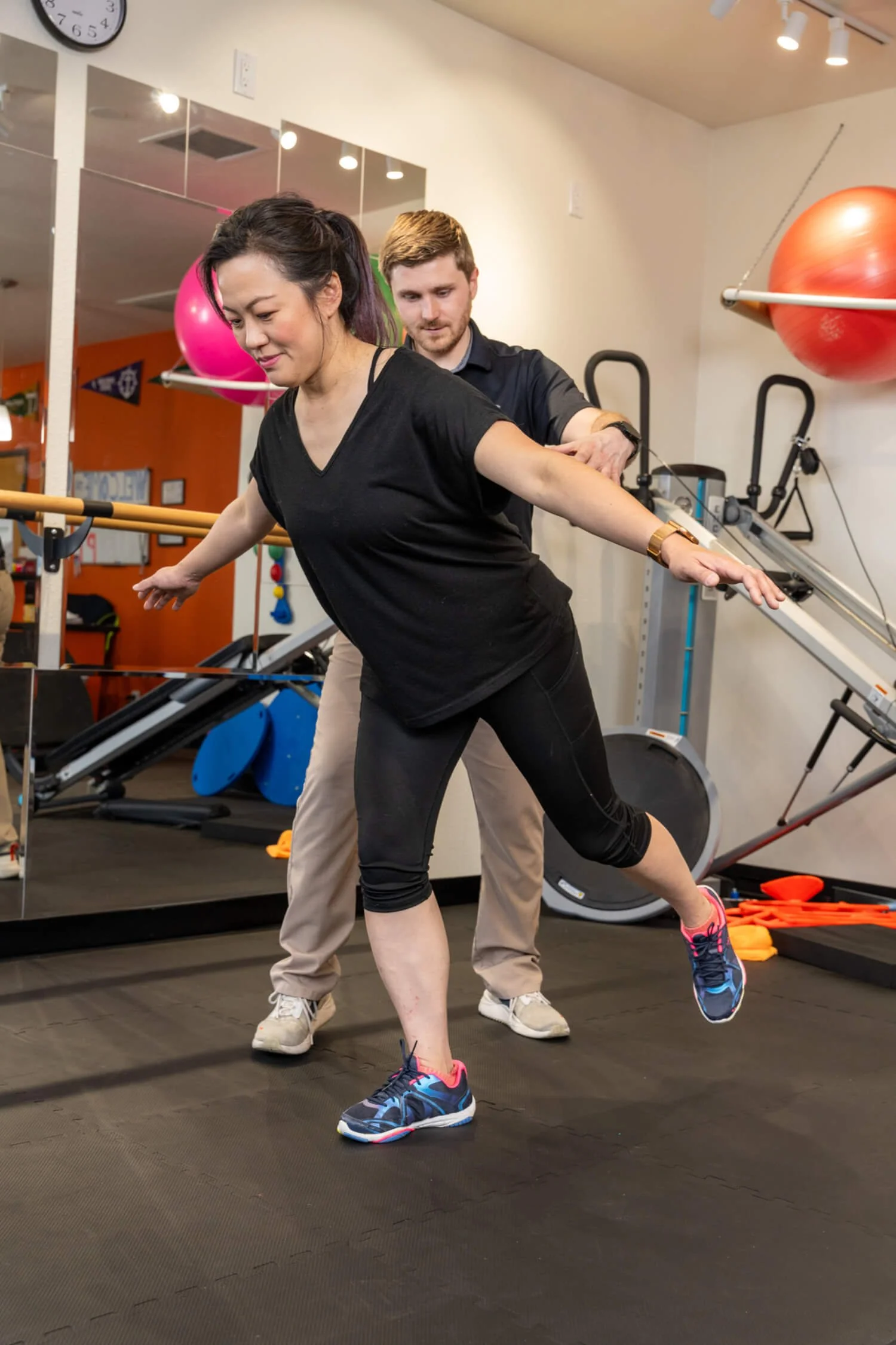
Progressive strength & tendon loading programs
Calf endurance and capacity rebuilding
Balance & stability retraining
Mobility restoration (especially dorsiflexion)
Gait and movement retraining
Manual therapy when appropriate
Graded return-to-running or sport progression
Clear flare-up management strategies
Our Approach to Your Treatment
1) Identify the Real Driver (Not Just Where it Hurts)
Your plan is based on:
Where the pain originates (ligament, tendon, joint, or nerve sensitivity)
Irritability (what flares it and how long it lingers)
Mobility restrictions (especially dorsiflexion)
Strength deficits (calf + hip + foot intrinsic contribution)
Your training/work demands
2) Calm symptoms without shutting down your activity
You’ll get clear guidance for:
What to modify (and what you can keep doing)
How to reduce flare-ups without becoming fragile
How to walk, train, and load safely while healing
3) Rebuild strength, tendon capacity, and stability
This is the difference-maker:
Progressive calf strengthening (often the missing link)
Ankle stability + proprioception (not just standing on one foot forever)
Graded plyometrics when needed (return to jumping/cutting)
Running or sport-specific progressions if that’s your goal
4) Return to sport/work with a plan you can trust
You’ll leave with:
An objective progression (not guesswork)
Stoplight (red/yellow/green) rules for flare-ups
Clear strength and mobility targets so you know you’re ready
Every plan aligns with your goals, whether that’s walking comfortably, returning to CrossFit, running pain-free, hiking again, or staying active without setbacks.
Advanced Options for Persistent Foot and Ankle Pain
Some cases of foot and ankle pain improve with exercise-based rehab alone.
Persistent cases may also benefit from adjunctive tools, such as Shockwave Therapy (SWT) and High-Intensity Laser Therapy (HILT) when traditional care has not resolved symptoms, as part of a comprehensive rehab program.
At Tualatin Valley Physical Therapy, we offer:
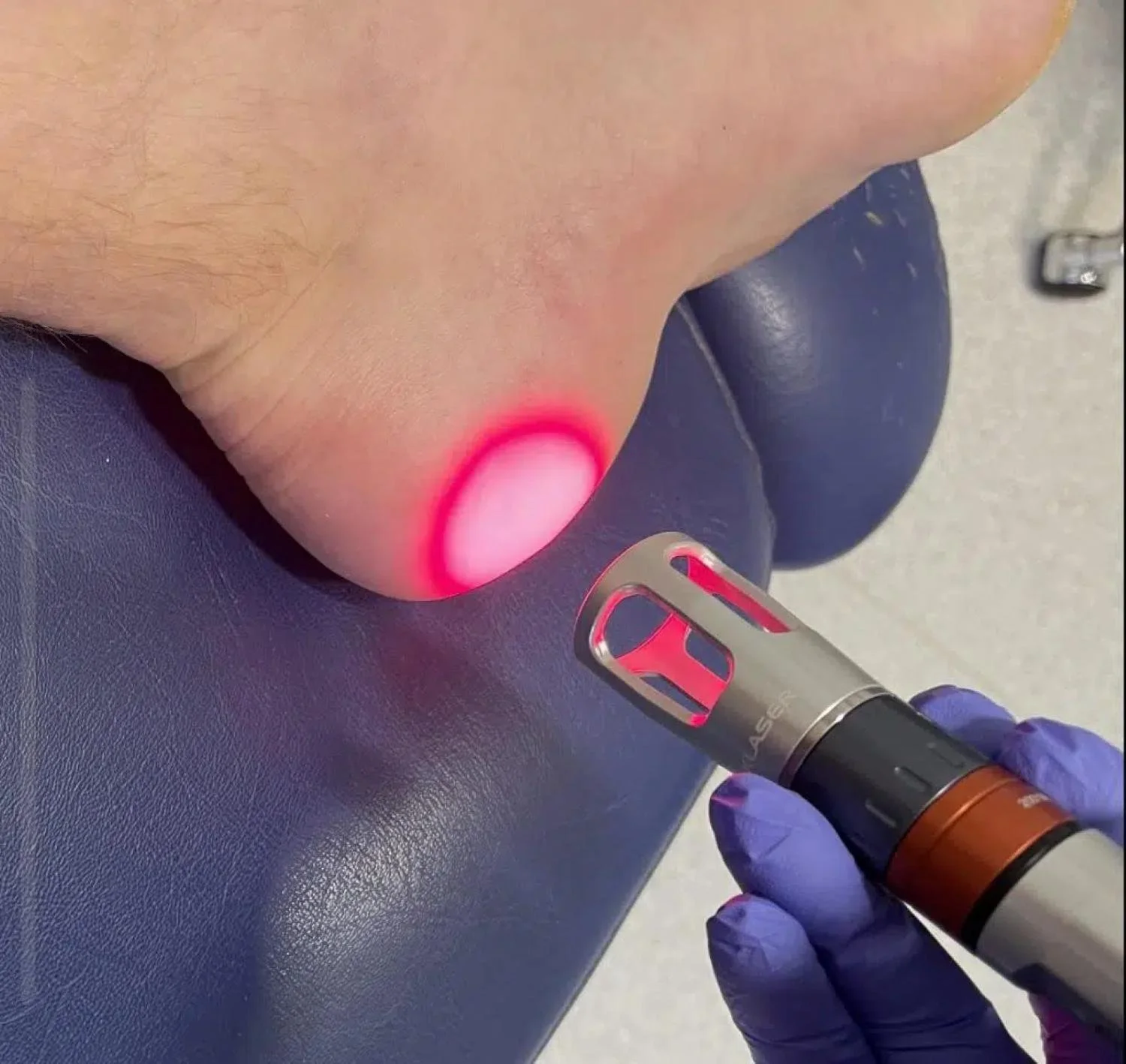
High-Intensity Laser Therapy
High-Intensity Laser Therapy uses light energy to stimulate cellular repair and reduce inflammation.
Laser therapy may help:
Reduce pain
Improve circulation
Accelerate tissue healing
Tolerate loading earlier
Learn more about Laser Therapy →
Compared with prolonged pain, repeated injections, imaging costs, or delayed recovery, ESWT and HILT are designed as focused interventions to accelerate tissue adaptation.
Recovery Expectations
✔ Load progression required
✔ Temporary discomfort is normal
✔ Capacity rebuilding is the goal
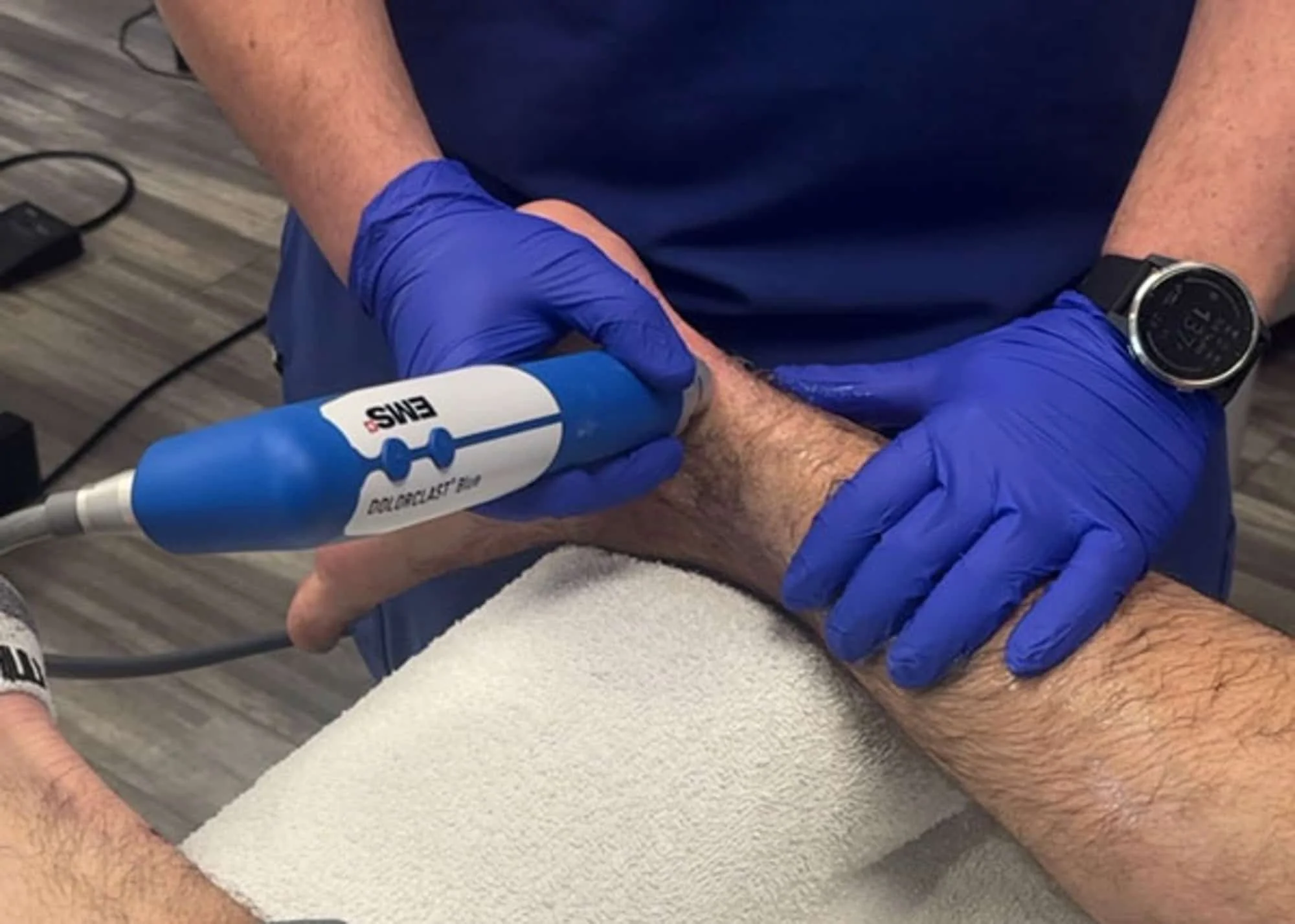
Shockwave Therapy
Shockwave Therapy uses acoustic pressure waves to stimulate healing in chronic muscle, tendon, and ligament injuries.
Research suggests shockwave therapy can help:
Increase blood flow
Stimulate collagen production
Restart stalled healing processes
Learn more about Shockwave Therapy →
What to Expect at Your First Visit
1-on-1 evaluation with a Doctor of Physical Therapy
Strength, mobility, and load tolerance testing
Balance and stability assessment
Movement and activity analysis
Clear plan of care with measurable progression
Exercises that make sense and build toward your goals
You’ll leave with a structured plan, not guesswork.
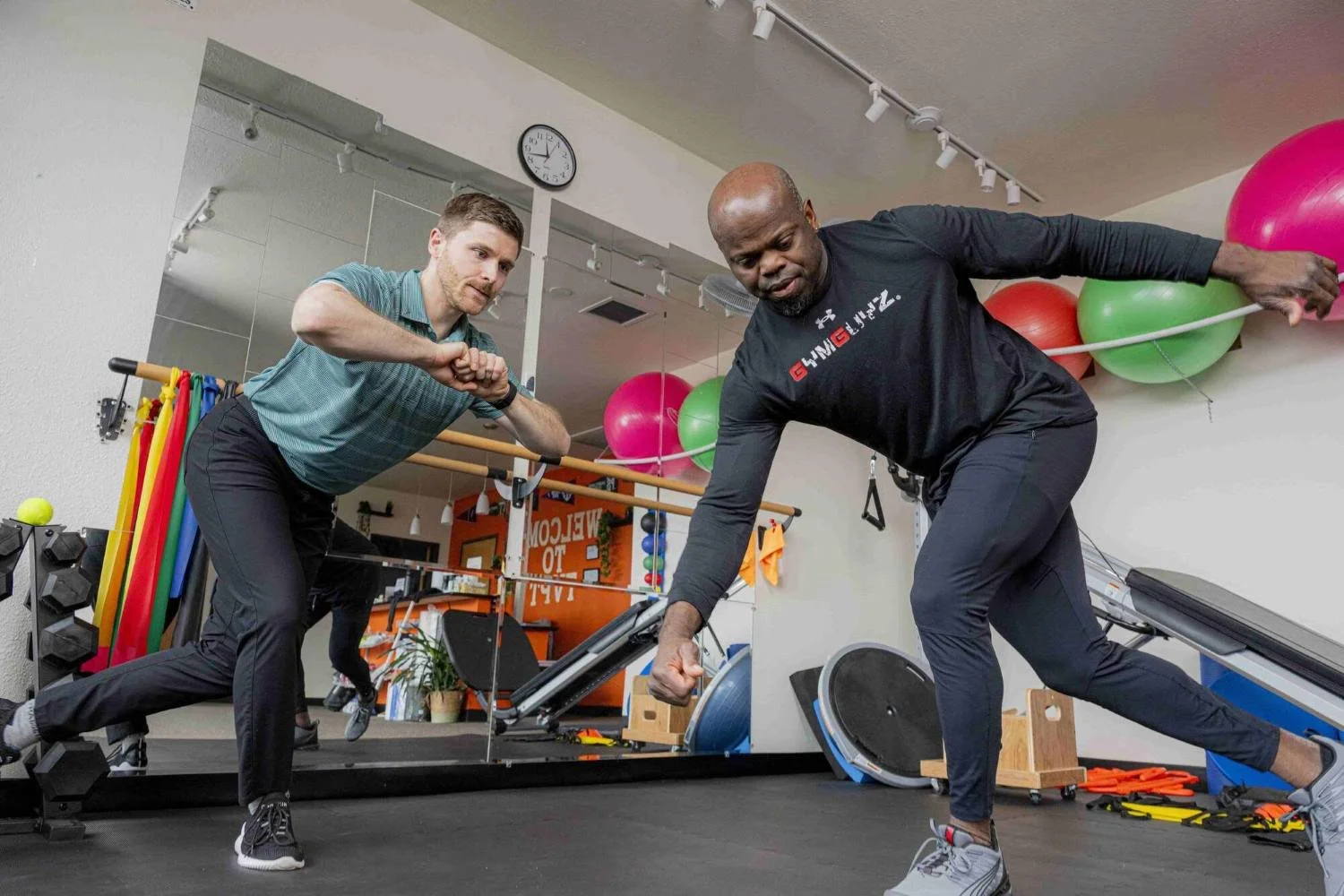

Why Patients Choose Tualatin Valley Physical Therapy
Cash-based + transparent pricing (no insurance delays)
Same-day appointments when available
1-on-1 Doctor-led care (no handoffs to techs)
Plans built for active adults (lifting, CrossFit, running, martial arts)
Focus on efficient recovery + long-term prevention
Foot & Ankle Pain Frequently Asked Questions
-
Many ankle sprains improve in 4–8 weeks, but full confidence and stability can take longer, especially if strength, balance, and calf capacity are not restored before returning to higher-level activity.
-
Ongoing instability often happens when rehab doesn’t progress far enough. The ankle may need stronger calf and ankle capacity, improved balance and reaction-time training, and a structured return-to-activity plan.
-
In many cases, graded strengthening and smart load management are most effective. The right progression builds tendon capacity over time without repeatedly provoking flare-ups.
-
Not always. Many people do best with activity modifications rather than complete rest. A physical therapist can help you adjust volume, intensity, and exercise selection as you rebuild strength and tolerance.
-
Not typically. Many foot and ankle problems can be evaluated clinically. Imaging may be appropriate after significant trauma, inability to bear weight, suspected fracture, or persistent symptoms that do not improve with an appropriate rehab plan.
-
Seek urgent evaluation if you cannot bear weight after injury, have major swelling or deformity, rapidly worsening numbness or weakness, fever, or severe bruising after trauma.
Stop Waiting. Start Recovering.
No referrals. No insurance delays. No techs or aides.
Just one-on-one care with a Doctor of Physical Therapy.
Whether you’re dealing with back pain, a sports injury, an auto accident, or a work injury, we make it simple to get started. Same-day appointments available.
Serving Hillsboro, Cornelius, Forest Grove, Aloha, and the greater Tualatin Valley.
Call us today at (971) 238-5755, or click the button below to schedule your initial evaluation online.
Unsure if self-pay physical therapy is for you? Schedule a free 15-minute consultation using the same button!
Our friendly team is ready to guide you on your path to recovery and lasting wellness.
Auto (PIP) Accepted
〰️
Workers' Compensation Accepted
〰️
Out-of-Network Reimbursement Available
〰️
Auto (PIP) Accepted 〰️ Workers' Compensation Accepted 〰️ Out-of-Network Reimbursement Available 〰️
Transparent pricing. Clear plan. No surprise bills.
Experience the TVPT Difference.