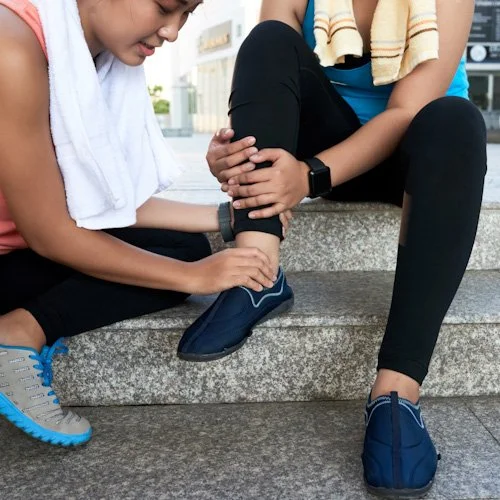
Overcome Shin Splints and Build Stronger, Pain-Free Legs
Persistent shin pain can quickly turn running, training, or even daily activity into a frustrating challenge. What often starts as a mild ache along the shin bone can gradually worsen, making it difficult to stay active or continue pursuing fitness goals.
Shin splints are among the most common overuse injuries affecting runners and other active individuals. While temporary relief may come from rest or activity modification, many people find themselves stuck in a cycle where the pain repeatedly returns once training resumes.
Breaking that cycle to overcome shin splints requires more than temporary fixes. The most effective long-term approach involves understanding why shin splints develop and addressing the underlying biomechanical factors contributing to the injury.
This guide explores the causes of shin splints, strategies for recovery, and how targeted strengthening and movement retraining can help prevent a return.
What Are Shin Splints?
Shin splints, clinically referred to as Medial Tibial Stress Syndrome (MTSS), involve pain and tenderness along the inner border of the tibia (shin bone).
This condition typically develops when repetitive stress on the lower leg exceeds the body’s ability to adapt. Running, jumping, or sudden increases in training intensity can irritate the muscles, tendons, and connective tissues attached to the tibia.
Over time, repeated loading may cause inflammation of the periosteum, the connective tissue covering the bone, resulting in the characteristic aching pain along the shin.
Although shin splints are common, they should be distinguished from tibial stress fractures, which involve small cracks in the bone and require more careful medical management.
Two Common Types of Shin Splints
Shin splints are often grouped together, but symptoms can arise from different structures in the lower leg.
Anterior Shin Pain
Anterior shin splints involve irritation of the tibialis anterior, the muscle located along the front of the shin that helps lift the foot during walking and running.
Symptoms may include:
Pain along the front of the lower leg
Discomfort during running or walking downhill
Tenderness along the tibialis anterior muscle
Posterior Shin Pain
Posterior shin splints are more common and involve structures along the inner border of the tibia, including the posterior tibialis muscle and other deep calf muscles.
Symptoms may include:
Aching along the inside of the shin
Pain that worsens during or after running
Tenderness along the inner tibia
Understanding where pain originates helps guide treatment and rehabilitation strategies.
Why Shin Splints Develop
Shin splints usually occur when training load exceeds the body’s current capacity.
Common contributing factors include:
Sudden increases in running mileage or intensity
Weak calf, hip, or foot muscles
Limited ankle mobility
Inefficient running mechanics
Flat feet or high arches
Inadequate recovery between workouts
When these factors combine, the lower leg muscles must absorb more impact than they can handle, increasing stress on the tibia and surrounding tissues.
Phase 1: Reducing Pain and Supporting Early Recovery
The first step to overcome shin splints is allowing irritated tissues to recover without completely eliminating movement.
Smart Rest and Active Recovery
Instead of stopping all activity, reducing high-impact exercises temporarily can allow healing to begin.
Low-impact activities such as:
Cycling
Swimming
Elliptical training
can help maintain cardiovascular fitness while minimizing stress on the lower leg.
Gradually reintroducing impact once symptoms improve is key to avoiding setbacks.
Supportive Strategies
Some individuals find relief using temporary supportive strategies such as:
Compression sleeves
Kinesiology taping
Calf stretching
Gentle mobility exercises
These tools can help manage symptoms, but they work best when combined with strengthening and biomechanical correction.
Phase 2: Building Strength and Resilience
Once pain begins to decrease, rehabilitation should focus on strengthening the muscles that help absorb impact during running and walking.
Strengthening the Lower Leg
Strengthening the calf muscles and surrounding structures helps reduce stress on the tibia.
Common exercises include:
Calf raises
Eccentric heel drops
Ankle strengthening drills
Foot strengthening exercises
These exercises improve the ability of muscles and tendons to tolerate repeated loading.
Strengthening the Hips and Core
Shin splints are often influenced by weaknesses higher in the body.
Strong glutes and core muscles help control hip and knee alignment, improving how forces move through the leg during running.
Improved hip stability reduces excessive strain on the lower leg.
Myofascial Release and Mobility
Tight calf muscles and surrounding connective tissues can increase tension on the tibia.
Techniques such as:
Foam rolling
Massage ball work
Calf stretching
may help improve mobility and reduce excessive muscle tension.
Phase 3: Addressing Biomechanics for Long-Term Prevention
To prevent shin splints from returning, it is important to address the movement patterns that contributed to the injury.
Foot Mechanics and Arch Support
Foot structure influences how impact forces travel through the leg.
Individuals with flat feet (overpronation) or high arches (supination) may experience increased stress on the tibia.
Supportive footwear or orthotics may help improve alignment and reduce strain on the lower leg temporarily, but long-term, they require specific rehab exercises.
Running Mechanics
Small inefficiencies in running form can significantly increase stress on the lower legs.
A professional gait analysis may identify factors such as:
Excessive overstriding
Low cadence
Inefficient impact absorption
Poor hip control
Addressing these factors can significantly reduce the risk of injury.
When to Seek Professional Help
Most cases of shin splints improve with proper load management and strengthening. However, certain symptoms warrant professional evaluation.
Consider seeking medical attention if you experience:
Persistent pain lasting longer than two weeks
Pain that worsens with activity
Localized tenderness in a small area of bone
Swelling, numbness, or severe discomfort
These symptoms could indicate a stress fracture or another condition requiring further evaluation.
How Physical Therapy Can Help
A physical therapist can help identify the underlying causes of shin pain and develop a personalized plan to restore healthy movement.
A running injury evaluation may include:
Gait analysis
Strength testing
Mobility assessment
Training load evaluation
Return-to-running programming
Addressing these factors helps reduce pain while improving long-term performance and resilience to injury.
Building Long-Term Prevention Habits
Recovering from shin splints is only the first step. Maintaining healthy training habits helps reduce the likelihood of recurrence to truly overcome shin splints in the long-term.
Key strategies include:
Gradual training progression
Regular strength training
Adequate recovery and sleep
Mobility work for the calves and ankles
Monitoring early warning signs of pain
Consistency with these habits helps maintain resilient tissues and healthy movement patterns.
Moving Forward Without Shin Pain
Shin splints can be frustrating, but they are also highly manageable when the underlying causes are addressed.
By focusing on load management, strengthening the muscles that support the lower leg, and improving movement mechanics, most runners and active individuals can return to activity without persistent shin pain.
Listening to your body, addressing minor issues early, and building lower-body strength are key steps toward staying active and injury-free.
Click here to book an evaluation or running assessment online if you are ready to overcome shin splints.