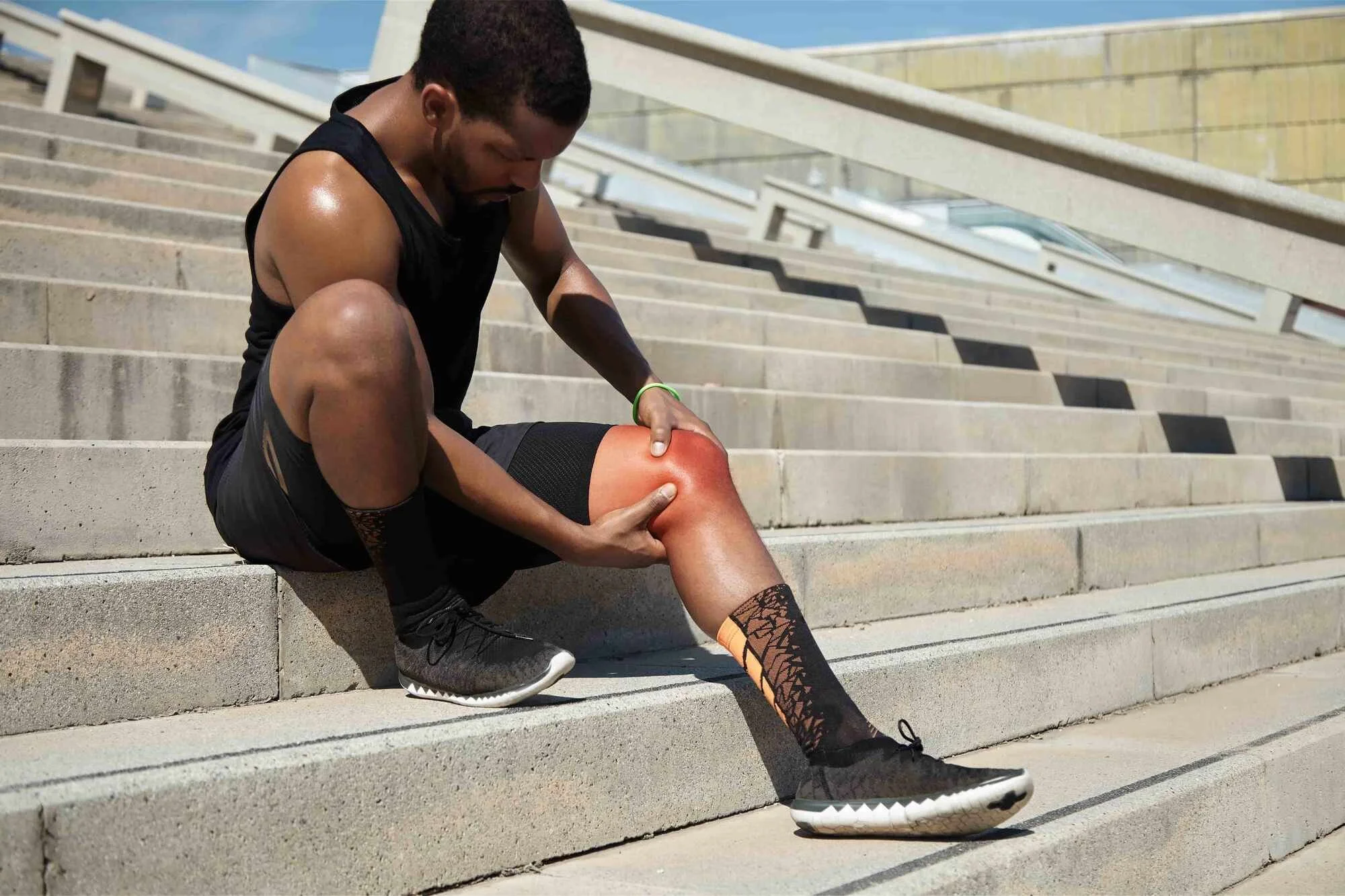
Running Pain vs. Soreness: Your Guide on When to Rest or Run
Every runner eventually asks the same question:
Is this normal soreness… or the start of an injury?
Knowing the difference between running pain and soreness is one of the most important skills you can develop as a runner. In fact, research shows that over half of runners experience an injury within a year. The ability to interpret your body’s signals isn’t just helpful; it’s essential for long-term performance and longevity.
This guide will help you understand the difference between soreness and pain, recognize common running injuries, and confidently decide when to run, when to scale back, and when to seek help.
Decoding Your Body’s Signals: Pain vs. Soreness
What Normal Muscle Soreness (DOMS) Feels Like
Delayed Onset Muscle Soreness (DOMS) is your body’s natural response to new or challenging training. It occurs when microscopic muscle damage triggers inflammation and repair.
DOMS typically:
Appears 12–72 hours after a run
Feels dull, achy, or stiff
Is present in multiple muscle groups
Improves with light movement
Resolves within a few days
Soreness is a sign of adaptation, not injury.
You may feel tight or uncomfortable, but your mechanics remain mostly normal.
What Injury Pain Feels Like
True injury pain is different.
It may:
Be sharp, stabbing, or throbbing
Feel very localized to one specific spot
Worsens during activity
Change your running form or gait
Persist at rest
Disrupt sleep
Unlike DOMS, injury pain often does not improve with movement and may intensify the more you push through it.
The “Traffic Light” Rule for Runners
Think of your body’s signals like a stoplight:
🟢 Green Light – Normal Adaptation
Mild soreness. Symmetrical. Improves with warm-up.
→ Safe to run, but consider lowering intensity.
🟡 Yellow Light – Early Warning
Persistent discomfort. Slight asymmetry. Lingering ache.
→ Reduce mileage. Cross-train. Monitor closely.
🔴 Red Light – Injury Alert
Sharp, worsening, or localized pain. Alters gait. Present at rest.
→ Stop running. Seek evaluation.
This framework prevents the “boom and bust” cycle that many runners fall into.
Common Running Injuries & How They Present
Runner’s Knee (Patellofemoral Pain)
Dull ache around the kneecap.
Worse with stairs, squatting, or downhill running.
Shin Splints
Aching along the inner shin.
Worse with impact.
Plantar Fasciitis
Sharp heel pain.
Worst in the morning or after rest.
Achilles Tendinopathy
Stiffness or pain in the back of the ankle.
Worse at the start of a run.
IT Band Syndrome
Burning pain on the outside of the knee.
Typically worsens mid-run.
Stress Fractures
Deep, pinpoint bone pain.
Progressively worsens with impact.
May not improve with rest.
If pain becomes more focused and less muscular, that’s usually a red flag.
When to Rest, When to Run, When to Get Help
If It’s Soreness (Green Light)
Continue running with awareness.
Consider:
Shorter runs
Easy effort days
Proper warm-up
Active recovery
Movement often helps.
If It’s a Yellow Light
Reduce load before your body forces you to by:
Decreasing mileage
Avoiding speedwork
Cross-training
Prioritizing strength training
Research shows that increasing weekly mileage too rapidly significantly raises the risk of injury. Gradual progression matters.
If It’s a Red Light
Stop running.
Sharp, worsening, or persistent pain needs evaluation.
Running through it can convert a small issue into a long-term setback.
Early intervention often shortens total downtime.
How to Build a Resilient Runner
The goal isn’t just to treat running pain; it’s to reduce recurrence.
Strength Training Is Non-Negotiable
Strong glutes, calves, hamstrings, and core reduce stress on joints and tendons.
Improve Running Mechanics
Small changes in cadence, posture, and foot strike can dramatically reduce load.
Prioritize Recovery
7–9 hours of sleep
Adequate protein
Proper hydration
Planned rest days
Warm Up Properly
Dynamic mobility before runs.
Gradual pacing increase.
Wear Appropriate Footwear
Shoes should match your foot type, mileage demands, and injury history.
The Cost of Ignoring Pain
Ignoring early warning signs often leads to:
Stress fractures
Chronic tendinopathy
Months off from running
Frustration and burnout
The “I’ll just push through it” mindset is one of the fastest ways to lose an entire season.
Run Smarter, Not Just Harder
Distinguishing soreness from injury isn’t about being cautious; it’s about being strategic.
The runners who stay healthy for years aren’t the ones who ignore discomfort.
They’re the ones who respond intelligently.
Listen early. Adjust early. Address issues early.
That’s how you build durability.
If you’re unsure whether what you’re feeling is a normal adaptation or the start of something bigger, getting clarity early can prevent weeks (or months) of frustration.
Your body gives you feedback every day.
Learn to interpret it, and you’ll extend your running career for years to come.
Click here to schedule an evaluation or a running assessment online.