Why Tendon Pain Becomes “Stubborn” and Why Rest Alone Fails
Tendon pain has a frustrating personality.
It often starts subtly with a little stiffness, mild soreness, something that feels like it should resolve with rest. But weeks pass. Sometimes months. And despite backing off activity, stretching more, or “being careful,” symptoms linger.
This is where many people start asking:
“Why isn’t this healing?”
The Big Mistake: Treating Tendons Like Muscles
Most people assume tendon injuries behave like muscle strains.
Rest it
Stretch it
Wait it out
But tendons don’t work that way.
Tendons are different.
They have less blood supply
They adapt more slowly
They respond best to mechanical load, not just time
That means rest alone is rarely enough
The Real Problem: Load vs. Capacity
Tendon pain isn’t just about damage
It’s about a mismatch
What your tendon can handle
vs
What you’re asking it to do
When that gap exists, symptoms show up
Here’s what happens:
Too much load → pain flare-ups
Too little load → deconditioning
And most people bounce between both.
Why Tendon Pain Feels “Stuck”
Over time, irritated tendons can become:
✔ More sensitive to stress
✔ Less tolerant of load
✔ Slower to adapt
At this point, pain doesn’t always mean damage.
It often means your tendon has lost capacity
That’s why it keeps coming back.
Why Rest Alone Fails
Rest may help calm symptoms short-term.
But long-term?
It often makes things worse.
Because:
Tendons need load to adapt
Avoidance reduces strength
Capacity drops even further
So when you return to activity… pain returns too
The Shift That Changes Everything
Recovery doesn’t come from doing less.
It comes from doing the right amount of the right thing
❌ Old approach:
Rest → wait → try again → flare-up
✅ Better approach:
Load → adapt → build capacity → return stronger
What Actually Works: Progressive Loading
The goal isn’t to avoid stress.
It’s to apply controlled, progressive stress
This helps your tendon:
Remodel tissue
Improve strength
Increase tolerance to load
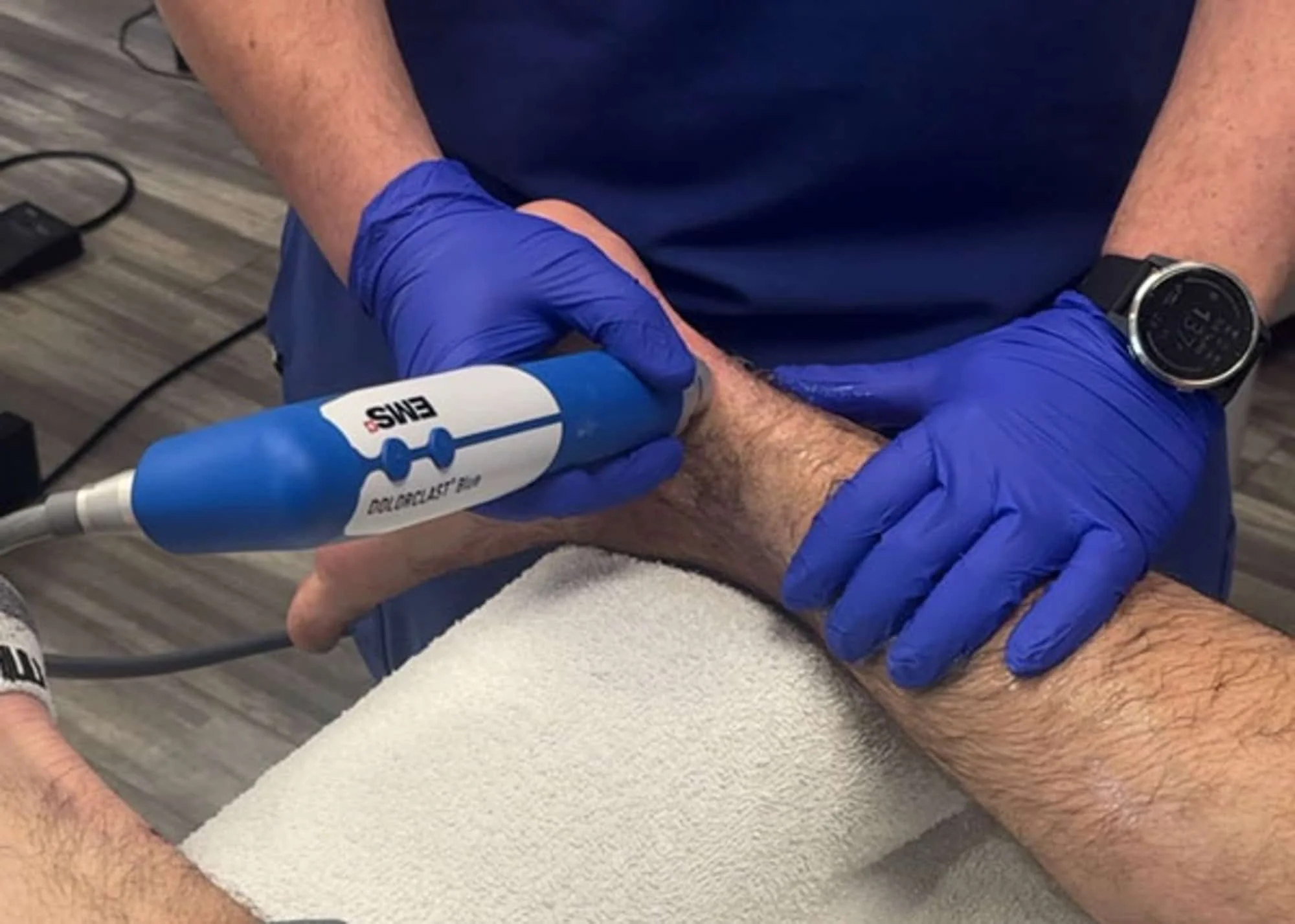
Where Shockwave Therapy (ESWT) Fits In
Sometimes, tendon pain stays stubborn, even with good rehab.
That’s where adjunct treatments may help.
Extracorporeal Shockwave Therapy (ESWT) can:
Stimulate healing processes
Improve blood flow
Support tissue remodeling
But here’s the key:
ESWT does NOT replace exercise.
It supports it.
The Truth About Tendon Recovery
Tendon recovery is not passive.
It’s not about:
❌ Rest
❌ Avoidance
❌ Waiting
It’s about:
✅ Gradual loading
✅ Smart progression
✅ Building capacity
When to Get Help
If your tendon pain:
Keeps coming back
Isn’t improving
Limits your activity
Feels “stuck”
You don’t need more guessing.
You need a plan.
The Bottom Line
Tendon pain becomes stubborn when:
Load and capacity don’t match
Fix that, and everything changes.
Ready to Fix It the Right Way?
At Tualatin Valley Physical Therapy, we help you:
✅ Build tendon strength
✅ Reduce pain
✅ Return to activity with confidence
If your tendon pain feels stuck, clarity matters more than guessing. Schedule a visit to begin your recovery.