Pain is Complex: Why Your Body Can Hurt Without Injury
When Pain Doesn't Mean Injury
Have you ever experienced a sharp twinge, a persistent ache, or a deep soreness that seemed to come out of nowhere, with no discernible injury to blame? You’re not alone. For many, the default assumption is that pain directly equates to physical damage, such as a damaged tendon, a strained muscle, or a torn ligament. However, the reality is far more nuanced.
Pain is a complex experience, a sophisticated output of our nervous system, rather than a simple alarm bell for tissue damage. In fact, nearly one in four U.S. adults experienced chronic pain in 2023, lasting three months or longer, a statistic from the Centers for Disease Control and Prevention that underscores the widespread nature of pain beyond acute injury.
This article aims to demystify the intricate relationship between pain and damage, offering a new understanding that can empower you to better manage your body’s signals.
The Common Misconception: Pain Equals Damage
The ingrained belief that pain directly signals tissue damage is one of the most significant barriers to effective pain management. When we feel pain, our immediate instinct is to find what's broken. We often seek out medical scans, expecting them to reveal the clear source of our discomfort. This is a logical, albeit often inaccurate, assumption. The reality is that pain is complex and can exist or persist even when no active injury or significant tissue damage is present. Understanding this distinction is the first step towards regaining control over your pain experience.
Unpacking the Paradox: Why Your Body Hurts Without Obvious Injury
This paradox of feeling pain without an apparent injury stems from the sophisticated nature of our pain system. Pain is not a direct line from injured tissue to our awareness. Pain is complex; it's an interpretation the brain makes based on a vast array of information. Factors such as past experiences, emotional states, beliefs, and even the context in which a sensation occurs all influence how our nervous system processes and signals potential threats. Consequently, our bodies can generate pain signals as a protective measure, even if the perceived threat is not based on actual structural damage.
The Goal of This Article: A New Understanding of Pain
This article is designed to provide you with critical information that shifts your perspective on pain. By understanding that pain is complex, you learn that it is an output of your brain and nervous system, a sophisticated security system, rather than a simple indicator of damage. You can approach discomfort with less fear and more confidence. We will explore how your nervous system processes information, why it might become overactive, and how your thoughts, lifestyle, and environment significantly influence your pain experience.
Pain's True Purpose: Your Body's Sophisticated Security System
Imagine your body is equipped with an advanced security system designed to protect you from harm. Pain is the output of this system. Its primary job is to alert you to potential or actual danger, prompting you to take action, like moving away from a hot stove, resting an injured limb, or avoiding further stress on a vulnerable area. This protective function is vital for survival.
Pain as a Protective Output, Not a Simple Damage Detector
Unlike a smoke detector, which directly senses smoke, pain is not a direct measure of tissue damage. Instead, your nervous system, including your nerves and spinal cord, gathers information from your body and sends it to the brain. The brain then interprets this information, considering context, past experiences, and emotions, before generating the experience of pain. This means the intensity of pain doesn't always correlate with the degree of tissue damage.
The Brain: The Ultimate Detective and Interpreter of Threat
Your brain is the central processing unit for pain. It receives signals from your nerves and decides whether to generate a pain response. This decision isn't solely based on physical inputs. Researchers have found that participants perceived pain more intensely when the prediction error was significant, suggesting that the Surprise Hypothesis better explains the neural mechanisms underlying pain perception (ScienceDaily, 2025). Your brain acts as a detective, gathering all available information to assess potential threats and produce the most appropriate response, which is often pain.
Why Pain Intensity Doesn't Always Equal Injury Severity
It's common to experience significant pain with minor injuries, or conversely, to have substantial physical findings on scans with very little pain. This discrepancy highlights that pain intensity is a subjective experience influenced by many factors beyond the number of damaged cells. Your brain's assessment of threat, your emotional state, and your level of stress can all amplify or dampen the pain signals it generates, making the perceived number of pain points misleading.
The Biopsychosocial Model: Beyond Just the Body
Modern understanding of pain emphasizes the biopsychosocial model, recognizing that biological, psychological, and social factors influence pain. This means that while biological factors (like tissue health) play a role, your thoughts, beliefs, emotions, stress levels, and social environment are equally critical in shaping your pain experience. Ignoring these interconnected elements provides an incomplete picture of pain.
The Nervous System's Rewiring: When the Alarm Becomes Overactive
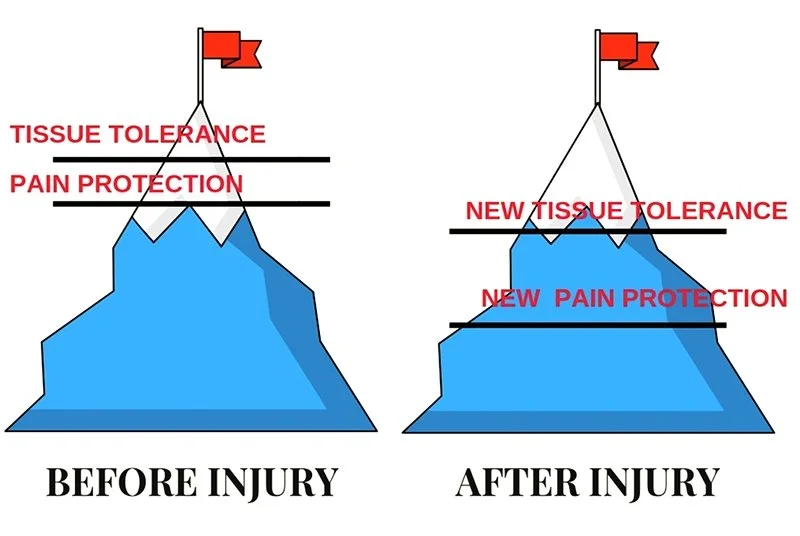
Sometimes, the body's sophisticated security system can become overly sensitive or "rewired." This can lead to persistent pain, even long after any initial injury has healed. Understanding this overactivity is key to managing chronic pain.
Understanding Central Sensitization: A Hypersensitive System
Central sensitization is a condition where the nervous system becomes hypersensitive. The brain and spinal cord amplify pain signals, and non-painful stimuli may be perceived as painful. This is a significant factor in chronic pain, as the alarm system is essentially stuck in an "on" position, constantly signaling danger even when it’s not present. This can lead to a flare-up of pain symptoms.
Neuroplasticity: How the Brain Learns and Can Unlearn Pain
The remarkable capacity of the brain to change and adapt is known as neuroplasticity. This principle is crucial for pain recovery. Just as the brain can learn to become sensitized to pain, it can also learn to unlearn it. Through targeted strategies and new information, we can help the brain create new, less pain-sensitive pathways, effectively retraining the nervous system.
Different Flavors of Persistent Pain: Beyond Simple Tissue Damage
Persistent pain often falls into categories beyond simple tissue damage, such as neuropathic pain (nerve damage) or nociplastic pain (pain arising from altered pain processing in the nervous system, often involving inflammation in a broader sense). Recognizing these different origins helps select appropriate treatments and manage expectations, distinguishing them from acute pain caused by a clear injury.
Beyond Biology: How Your Mind, Lifestyle, and Environment Shape Pain
The experience of pain is complex and not confined to biological processes alone. Our thoughts, daily habits, and social interactions play a profound role in how we perceive and manage pain.
The Mind's Influence: Stress, Emotions, and Fear of Movement
When we experience stress or negative emotions, our nervous system becomes more active, which can heighten pain perception. Fear of movement can also contribute significantly to persistent pain, creating a cycle of inactivity and deconditioning. This fear often erodes confidence, leading individuals to avoid activities that could actually help them.
The Role of Lifestyle Factors in Pain Persistence
Key lifestyle factors, such as sleep quality and diet, directly affect pain. Poor sleep impairs the nervous system’s ability to recover and regulate itself, often exacerbating pain. Conversely, consistent, quality sleep is vital for healing and pain reduction. The prevalence of chronic pain increased significantly from 21% in 2019 to 24% in 2023, representing an 18% overall increase (Medscape, 2025), highlighting the complex interplay of factors beyond acute injury.
Social Stigma and Its Impact on the Pain Experience
The social stigma surrounding chronic pain can be incredibly damaging. When individuals feel misunderstood or dismissed, it can lead to isolation and a sense of helplessness. This lack of societal understanding can impede access to appropriate support and hinder recovery, making it harder to build confidence.
The Limits of the Lens: What Medical Imaging Can (and Can't) Tell You
Medical imaging techniques like MRIs and X-rays are invaluable diagnostic tools, but they are not perfect reflections of your pain experience. Understanding their limitations is crucial for accurate pain management.
Why Scans Don't Always Explain Your Pain
Scans show structural details of your body, such as disc bulges or arthritis. However, these findings are widespread in people without pain. For example, studies have shown that a significant percentage of asymptomatic individuals have disc bulges on MRI. Therefore, a scan might reveal changes, but these changes don't necessarily explain why you are experiencing pain.
Diagnostic Uncertainty and Its Psychological Toll
When scans don't reveal a clear cause for your pain, it can lead to diagnostic uncertainty. This ambiguity can be psychologically taxing, increasing anxiety and decreasing confidence in your body and healthcare providers. It reinforces the idea that if the scan can't find the problem, perhaps it’s "all in your head," a damaging misconception.
Common Findings That Don't Always Mean Damage (e.g., disc bulge, degenerative tendon)
Findings like disc bulges, mild arthritis, or degenerative tendons are often presented as problematic, but they are frequently normal age-related changes or variations that do not cause pain. The information from these scans needs to be interpreted within the context of your symptoms, not as definitive proof of damage causing your pain.
Practical Strategies for Retraining Your Pain System
Understanding pain as a complex output rather than a simple damage signal opens the door to effective retraining strategies that focus on the nervous system and the brain.
Embracing Movement and Graded Exposure
Gentle, progressive movement and exercise are powerful tools for nervous system retraining. By gradually exposing your body to different movements, you help your brain recalibrate its threat assessment. This builds confidence and demonstrates that your body can handle more than you might fear. A study of 60 randomized controlled trials revealed that 38% of pain reduction in musculoskeletal neck pain patients treated with active interventions could be attributed to placebo or psychological effects (PMC, 2025).
Pain Neuroscience Education (PNE): The Power of Knowing That Pain is Complex
PNE is a form of therapy that educates individuals about the science of pain. By providing accurate information about how pain works, PNE helps to reduce fear and anxiety, directly impacting pain perception. This knowledge empowers individuals and fosters confidence in their ability to manage pain. In 2024, 8.2% of new pain trials in Global Data's Clinical Trials database used an element of mobile/digital technology, such as smartphones or remote patient monitoring, an increase from 4.5% in 2018 (Fortrea, 2025), reflecting a growing trend towards technologically supported educational approaches.
Cultivating Resilience Through Positive Lifestyle Habits
Prioritizing good sleep, managing stress, and maintaining a healthy diet are foundational to a resilient nervous system. These habits support the body's natural healing processes and help regulate pain signals. They contribute to overall well-being, which is intrinsically linked to pain management.
Setting SMART Goals for Recovery and Function
Setting Specific, Measurable, Achievable, Relevant, and Time-bound (SMART) goals helps create a roadmap for recovery. These goals can relate to increasing movement, improving sleep, or managing stress. Achieving these small wins builds momentum and confidence, encouraging continued progress.
Navigating Flare-ups: Expectation Management and Proactive Steps
A flare-up of pain is a common occurrence, especially in chronic pain conditions. Understanding that these are often temporary and related to your nervous system's sensitivity rather than to a catastrophic reinjury is crucial. Proactive steps such as returning to gentle movement, applying PNE principles, and leaning on your support system can help you manage flare-ups effectively.
Building Your Support Team: Professional Guidance When Pain Persists
Dealing with persistent pain can be challenging, and you don't have to navigate it alone. A multidisciplinary team of professionals can offer comprehensive support and tailored treatments.
The Value of a Multidisciplinary Approach to Chronic Pain
A multidisciplinary team brings together diverse expertise, including physicians, physical therapists, psychologists, occupational therapists, and pain specialists. This holistic approach addresses the biological, psychological, and social aspects of pain, providing a more effective path to recovery.
Who Can Help: A Network of Professionals
Your pain team might include:
Physicians: For diagnosis, medication management, and ruling out severe conditions.
Physical Therapists: To guide safe movement, exercise, and functional rehabilitation.
Psychologists or Therapists: To help manage stress, anxiety, and fear of movement, as well as develop coping strategies.
Occupational Therapists: To help you adapt your daily activities and maintain function.
Differentiating Helpful Active Treatments from Passive Modalities
Effective treatments often focus on active participation, such as exercise and PNE. Passive modalities like heat or some manual therapies can offer temporary relief but are rarely the sole solution for long-term pain management. Active engagement empowers you in your recovery.
The Role of Trust and Communication with Your Support Team
Building trust and maintaining open communication with your team is essential. By clearly articulating your experiences, concerns, and goals, you ensure that your treatments are personalized and effective. The number of professionals you engage with will vary, but the quality of your relationship with them is key.
Reclaiming Your Body and Your Life
Understanding that pain is complex and does not always equal injury is a transformative step toward reclaiming your body and your life. Your nervous system and brain are incredibly powerful, capable of both generating pain and learning to reduce it. By embracing information about pain science, practicing mindful movement and exercise, managing stress and prioritizing sleep, and building a strong support team, you can move beyond fear and limitations. This journey requires patience and confidence, but by retraining your pain system, you can significantly improve your quality of life and regain control over your well-being.
We’re here to help once you feel ready to take the next step! Give us a call at (971) 238-5755 or book your appointment online today!