

Accelerated Recovery and Performance Program - Hillsboro, OR
Precision Shockwave, Laser, & Structured Rehabilitation in Hillsboro, OR
Chronic pain and stubborn injuries rarely resolve from passive care alone.
Many musculoskeletal injuries involve more than simple irritation or inflammation. Tendon injuries, chronic pain conditions, and overuse injuries often develop when tissues lose their ability to heal efficiently under repeated stress.
At Tualatin Valley Physical Therapy, our accelerated recovery and performance programs focus on treatments that help restore tissue health and support the body’s natural healing processes, but that’s not all… We provide structured rehabilitation for individuals in Hillsboro, Oregon, and Washington County who are looking for a clear plan rather than temporary symptom management.
This advanced approach combines:
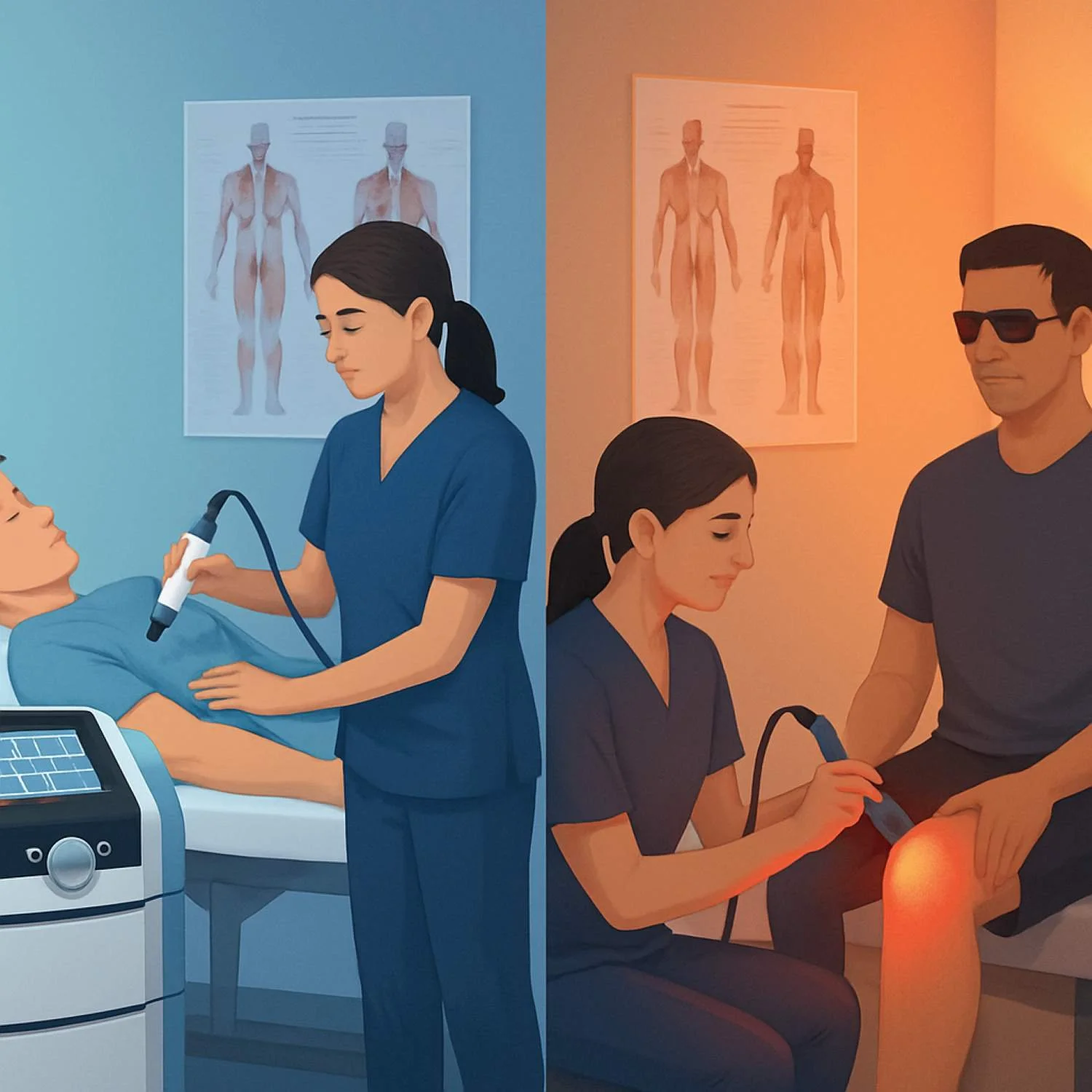
Focused Shockwave Therapy
Radial Shockwave Therapy
High-Intensity Laser Therapy
Progressive Load-Based Movement Rehabilitation
Together, these treatments aim to reduce pain, improve tissue healing, and help accelerate recovery so patients can return to the activities they enjoy.
Technology supports healing.
Structured loading restores durability.
A Different Approach to Healing: What Is Accelerated Recovery Therapy?
Many chronic tendon and soft-tissue conditions persist not because the body cannot heal, but because the tissue has not been properly stimulated or progressively loaded.
Accelerated Recovery therapy, also referred to as Regenerative therapy, refers to treatments that help stimulate the body’s natural repair and healing mechanisms.
Instead of simply masking pain, these therapies work by influencing biological processes involved in tissue recovery.
Depending on the treatment, regenerative therapies may help:
Increase blood flow
Stimulate cellular activity
Reduce chronic inflammation
Improve tissue regeneration
Break down scar tissue or calcifications
These treatments are often used for tendon injuries, chronic pain conditions, and musculoskeletal injuries that have not responded well to traditional treatments.
Why Accelerating Recovery Matters (When Done Correctly)
We’re not trying to rush you.
We’re working to reduce the factors that slow you down:
Excessive sensitivity
Poor tolerance to loading
Inconsistent rehab.
When those improve, recovery often feels faster because you can do the work that actually changes the outcome.
A Combination for the Long-Term
Our Recovery & Performance model focuses on:
✔ Precise diagnosis
✔ Pain sensitivity modulation
✔ Tissue stimulation when appropriate
✔ Progressive capacity rebuilding
We do not chase temporary relief.
We rebuild tolerance, strength, and resilience.
Our Regenerative Modalities
-
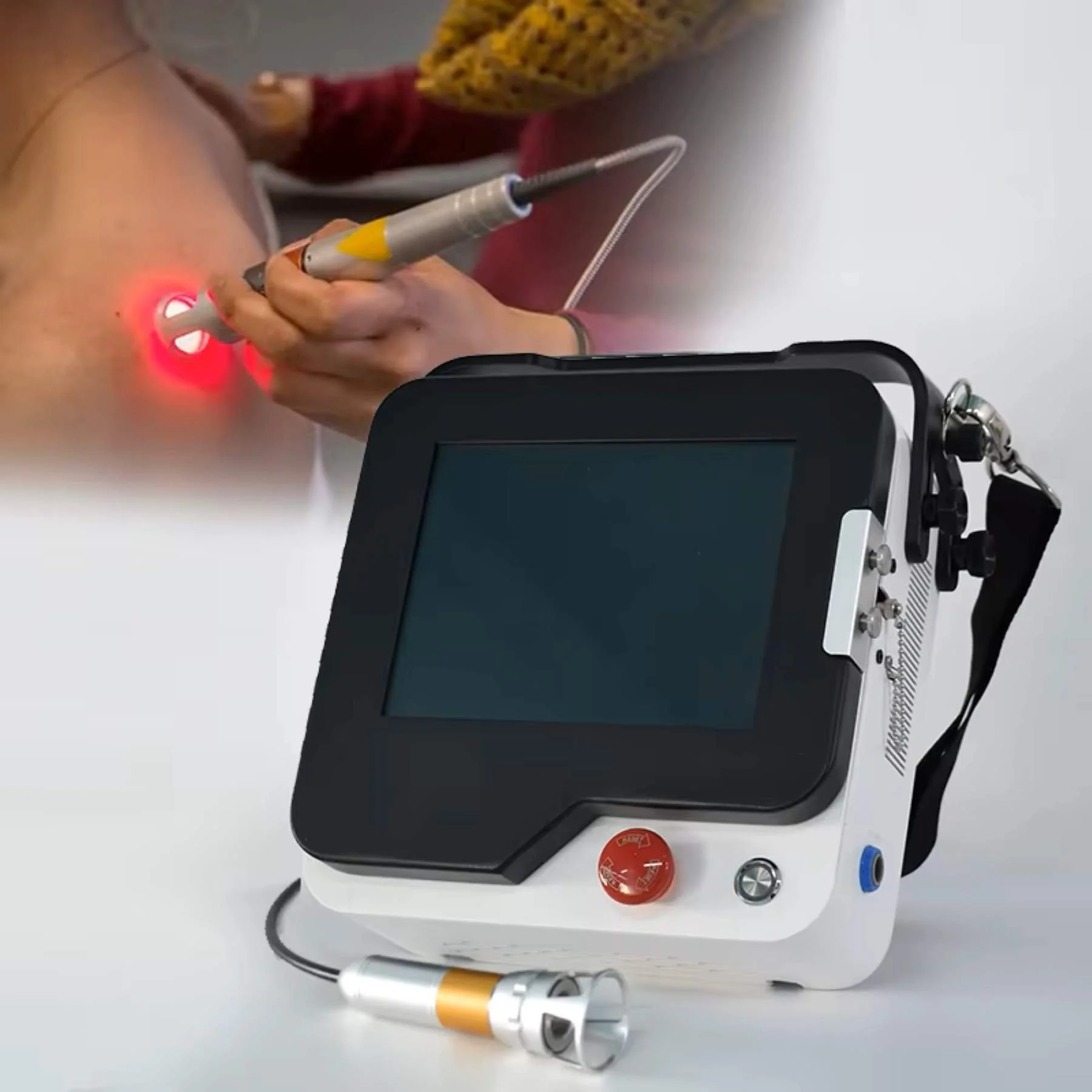
![An image of a high-intensity laser therapy device and of the modality being used on a patient's shoulder.]()
High-Intensity Laser Therapy (HILT)
High-intensity laser therapy uses photobiomodulation to support:
-Pain modulation
-Circulatory response
-Tissue recovery signaling
-Improved rehab tolerance
Laser therapy is comfortable, non-invasive, and tailored to the patient's presentation.
-
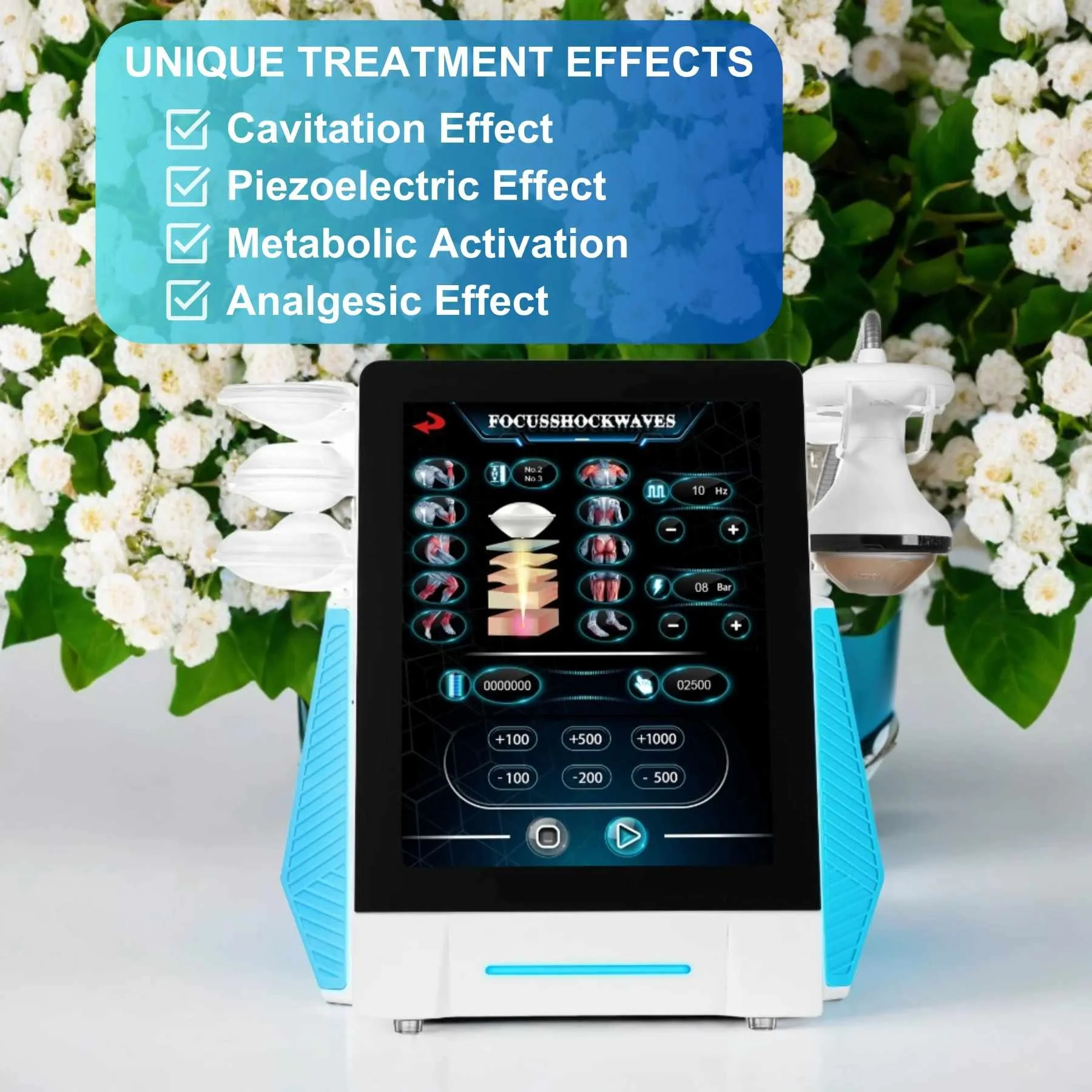
![An image of a focused shockwave therapy machine and a list of unique treatment effects]()
Focused Shockwave Therapy (FSWT)
Focused shockwave therapy delivers targeted acoustic-mechanical energy (shockwaves) directly to deeper tissues when tissue remodeling or stimulation is clinically indicated.
Often considered for:
-Chronic tendinopathy
-Calcific tendon conditions
-Persistent load intolerance
-
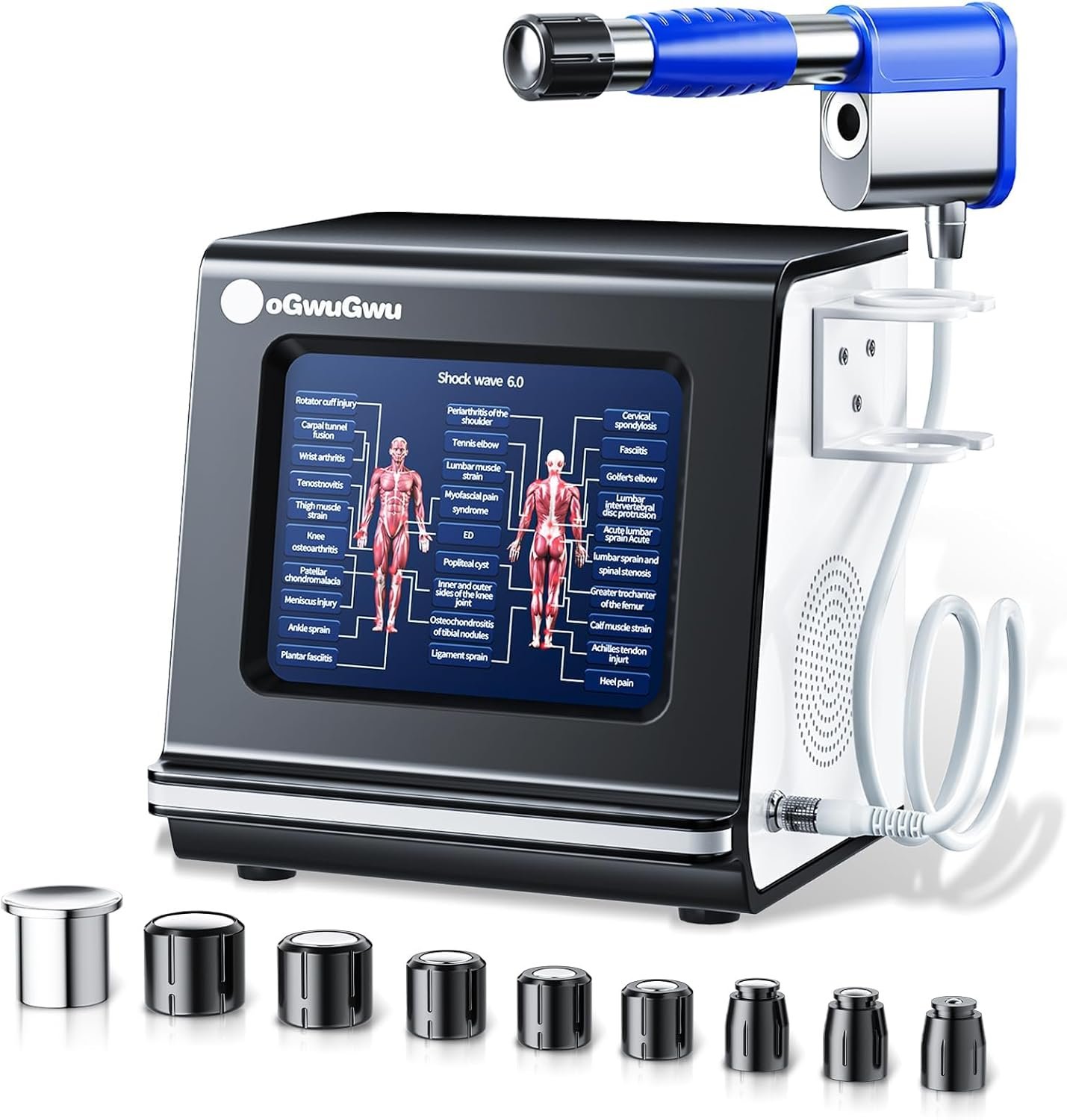
![An image of a radial shockwave therapy device, including the nine different treatment heads for various effects.]()
Radial Shockwave Therapy (RSWT)
Radial shockwave therapy, technically radial pressure wave therapy (RPWT), delivers mechanical pressure waves to superficial and deep tissue over a broader treatment area.
Often considered for:
-Plantar fasciitis
-Achilles tendinopathy
-Patellar tendon pain
-Myofascial dysfunction
Class 4 Laser vs Shockwave Therapy: Which One Works Better?
Short answer: Both are highly effective.
Longer (and more clinically honest) answer: They operate through completely different mechanisms, and are often complementary rather than competitive.
Why Comparisons Can Be Misleading
The better question is rarely:
❌ "Which works better?"
But rather:
✅ "Which fits the clinical presentation?"
Because treatment selection depends on:
✔ Tissue irritability
✔ Depth of target tissue
✔ Pain sensitivity
✔ Clinical goals
✔ Patient tolerance
✔ Overall rehab strategy
Different Tools, Different Biological Effects
-
Extracorporeal shockwave therapy (ESWT) uses acoustic pressure waves to stimulate tissue healing.
These pressure waves create controlled micro-stress within tissues, triggering the body’s natural repair processes.
Research suggests shockwave therapy may help stimulate:
Growth factors
New blood vessel formation
Tissue remodeling
Shockwave therapy is commonly used for conditions such as:
Plantar fasciitis
Achilles tendinopathy
Patellar tendinopathy
Calcific shoulder tendinitis
Chronic tendon injuries
Shockwave therapy can also help break down calcifications and scar tissue that may contribute to persistent pain.
Treatment sensations vary depending on intensity and tissue sensitivity.
-
High-intensity laser therapy uses light energy to stimulate cellular processes involved in healing.
This process, known as photobiomodulation, affects mitochondria within cells and increases ATP production. ATP is the energy source cells use to repair and maintain tissues.
Potential benefits of laser therapy include:
Improved circulation
Reduced inflammation
Faster tissue repair
Pain reduction
Laser therapy is commonly used for:
Muscle strains
Tendon irritation
Ligament sprains
Joint inflammation
Nerve-related pain
Because laser therapy is non-invasive and quick to administer, it is often used as part of a broader rehabilitation program.
Patients often report the treatment as warm and comfortable.
-
Regenerative therapies can support healing, but movement is still essential for recovery.
At our clinic, regenerative treatments are combined with targeted rehabilitation programs designed to restore:
Strength
Mobility
Stability
Movement mechanics
For example, a patient with chronic Achilles tendinopathy may receive:
Shockwave therapy to stimulate tendon remodeling
Laser therapy to reduce inflammation and pain
Progressive strengthening exercises to rebuild tendon capacity
This integrated approach helps address both the biological healing process and the mechanical demands placed on the body.
-
These treatments may be appropriate for individuals dealing with:
Chronic tendon pain
Recurrent overuse injuries
Stubborn shoulder pain
Plateaued recoveries
Patellar tendon pain
Plantar fasciitis
Achilles tendinopathy
Tennis elbow/Golfer’s elbow
Chronic muscle pain
They may also help individuals who have experienced persistent symptoms despite rest or traditional treatment approaches.
-
Our Regenerative Rehab model is often considered for those who:
Have pain lasting longer than 6–8 weeks
Experience recurrent injuries
Need to break through plateaued recovery
Are performance-minded adults
Seek structured athletic progressions
Want higher-level care
If you are seeking passive treatment alone, this may not be the right fit.
-
Regenerative therapies may be helpful for people who:
Have chronic tendon pain
Want non-surgical treatment options
Want to stay active during recovery
Have not responded well to traditional care
These therapies are commonly used for athletes, runners, active adults, and individuals dealing with persistent musculoskeletal pain.
We determine appropriateness during evaluation.
Broad Clinical Differences (Simplified)
Laser therapy often plays a role in:
✔ Pain modulation
✔ Irritability management
✔ Supporting rehabilitation tolerance
Shockwave therapy often plays a role in:
✔ Persistent tendon presentations
✔ Tissue remodeling strategies
✔ Mechanically sensitive targets
Neither replaces structured rehabilitation.
Both may support adaptation during an Accelerated Recovery and Performance program.
Clinical Reality
High-performing clinics rarely treat these as competing technologies.
They are selected strategically based on presentation, response, and goals.
Right tool → Right tissue → Right timing
Learn More About Laser Therapy
Want the deeper breakdown of how HILT works and what to expect?
👉 Explore High-Intensity Laser Therapy (HILT)
Learn More About Shockwave Therapy
Interested in an explanation of the two types and what they do?
The Goal: Restore Function, Not Just Reduce Pain
While reducing pain is important, the long-term goal of treatment is restoring the body’s ability to move and perform efficiently.
At Tualatin Valley Physical Therapy, our Regenerative modalities support the rehabilitation process and can even speed it up.
By combining advanced treatments with personalized physical therapy, we aim to help patients:
Recover from injuries
Rebuild strength
Improve movement mechanics
Return to activity safely
How We Decide What You Need
Not every patient needs shockwave therapy.
Not every patient needs laser therapy.
We evaluate:
Tissue depth
Irritability level
Chronicity
Load tolerance
Functional demands
Sometimes we use one modality.
Sometimes we use both.
Sometimes neither is appropriate.
Clinical reasoning drives treatment, not the availability of technology.
Why Integration Matters
Regenerative technologies are tools, not replacements for rehabilitation.
Shockwave and laser therapy may help:
✔ Modulate pain sensitivity
✔ Stimulate tissue response
✔ Improve tolerance to loading
Progressive rehabilitation rebuilds:
✔ Strength
✔ Capacity
✔ Tissue durability
✔ Long-term resilience
Without structured loading, symptom recurrence is common.
Bottom Line
Effective care is rarely about devices.
It’s about clinical reasoning.
If you are dealing with persistent pain or a chronic tendon injury, our Regenerative Rehab programs may help support your recovery.
At Tualatin Valley Physical Therapy, we provide personalized care focused on helping patients return to the activities they enjoy.
Give us a call at (971) 238-5755, or request an Accelerated Recovery and Performance Program evaluation online to determine what your tissue actually needs.
Medical Disclaimer
Extracorporeal Shockwave Therapy and High-Intensity Laser Therapy are therapeutic tools used to support recovery from musculoskeletal conditions. These treatments are not cures, and individual results may vary. Treatment decisions should be made in consultation with a licensed clinician.
CONTRAINDICATIONS
-
Regenerative therapies are contraindicated or used with caution for:
Pregnancy
Hemophiliacs or patients receiving anticoagulant therapy
Thromboembolism
Growing children and those with immature bones
Areas with surgical wounds or skin damage, abrasions, open lacerations, acute inflammation, or infection at the treatment site
Patients with contact infectious diseases or statutory infectious diseases
Corticosteroid or X-ray treatment within the past 6 weeks (caution)
Long-term steroid hormone use with vascular fragility (caution)
Severe concurrent diseases (e.g., malignant tumor/cancer, epilepsy, uncontrolled hypertension, polyneuropathy) (caution)
Any unstable medical or psychiatric condition
Your Structured Recovery Pathway
Accelerated Pain Support Program
Structured 2-month rehabilitation created for:
✔ Acute Injuries
✔ Recurring flare-ups/irritation
Includes:
High-intensity laser therapy treatment
Capacity restoration
Flare management framework
Designed for clarity, consistency, and measurable progression for people who were recently injured or reinjured.
Compared with prolonged pain, repeated injections, imaging costs, or delayed recovery, ESWT and HILT are designed as focused interventions to accelerate tissue adaptation.
For appropriate candidates, we offer:
Stubborn Tendon Reset Program
Personalized 3-month recovery pathway designed for:
✔ Persistent tendon pain
✔ Load intolerance
✔ Plateaued progress
Includes:
ESWT series with both focused and radial
Chronic pain management strategies
This program is designed for people who are tired of guessing, cycling flare-ups, or feeling stuck.
What You Can Expect
✔ Diagnostic clarity and education
✔ Clear explanations of clinical reasoning
✔ Transparent, partnered decision-making
✔ Tasks focused on your goals
✔ Comprehensive rehab strategies
✔ Graded load exposure
✔ Structured progression plan
✔ Reassessment checkpoints
✔ Direct communication access
✔ Progressive movement-based recovery
✔ One-on-one boutique care with your DPT
We focus on durable outcomes, not temporary relief cycles.
Recovery & Performance Acceleration Program
Comprehensive 5-month program designed for any of the following:
✔ Acute Injuries
✔ Stubborn chronic pain
✔ Frequent flare-ups/irritation
✔ Pain-altered movement patterns
✔ Irregular care or unsuccessful treatments
Includes:
Comprehensive treatment strategies
Integration of both HILT and ESWT
Designed for athletes and active adults who want to return to sport quickly and prevent recurrences by becoming anti-fragile.
Recovery and Performance Physical Therapy FAQs
-
At Tualatin Valley Physical Therapy, Regenerative therapy refers to advanced non-invasive modalities like focused shockwave, radial shockwave, and high-intensity laser therapy used selectively to support tissue recovery and improve tolerance to your structured rehabilitation plan.
-
Neither is universally superior. They serve different clinical roles and are selected based on tissue presentation, irritability, and treatment goals.
-
We select the best approach by using focused shockwave, radial shockwave, or both, depending on the case. Selection is based on tissue depth, irritability, goals, and how the modality supports the rehab plan.
-
No. High-intensity laser therapy is typically used to support pain modulation and rehab tolerance. Progressive loading and structured rehabilitation are the foundation for long-term capacity and resilience.
-
This approach is commonly considered for chronic tendon pain, recurrent overuse injuries, stubborn shoulder injuries, Achilles tendinopathy, persistent plantar fasciitis, patellar tendon pain, Golfer’s/Tennis elbow, and chronic muscle pain, especially when progress has plateaued with standard care.
-
Coverage varies by plan and service. Many regenerative modalities are self-pay. We provide transparent pricing and will explain what is included and what to expect before you start.
Ready for Clarity?
👉Apply for an Accelerated Recovery and Performance Evaluation
We will tell you honestly whether regenerative rehabilitation is appropriate.
Stop Waiting. Start Recovering.
No referrals. No insurance delays. No techs or aides.
Just one-on-one care with a Doctor of Physical Therapy.
Whether you’re dealing with back pain, a sports injury, an auto accident, or a work injury, we make it simple to get started. Same-day appointments available.
Serving Hillsboro, Cornelius, Forest Grove, Aloha, and the greater Tualatin Valley.
Call us today at (971) 238-5755, or click the button below to schedule your initial evaluation online.
Unsure if self-pay physical therapy is for you? Schedule a free 15-minute consultation using the same button!
Our friendly team is ready to guide you on your path to recovery and lasting wellness.
Auto (PIP) Accepted
〰️
Workers' Compensation Accepted
〰️
Out-of-Network Reimbursement Available
〰️
Auto (PIP) Accepted 〰️ Workers' Compensation Accepted 〰️ Out-of-Network Reimbursement Available 〰️
Transparent pricing. Clear plan. No surprise bills.
Experience the TVPT Difference.