

Shin Splints Physical Therapy in Hillsboro, OR
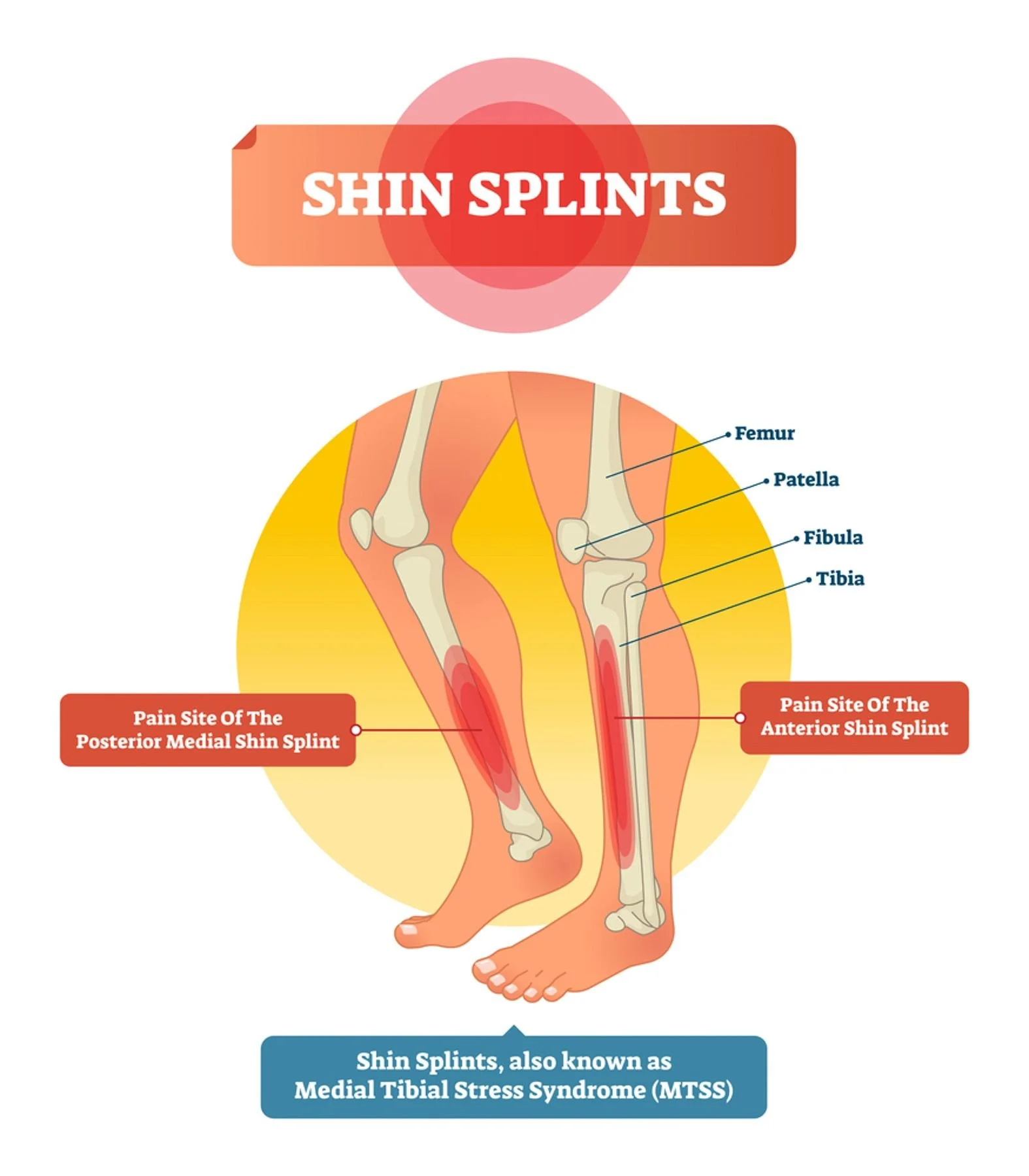
Shin splints, also known as medial tibial stress syndrome (MTSS), are one of the most common overuse injuries among runners, athletes, and active individuals. The pain usually appears along the inner edge of the shin and may worsen during running, jumping, or increased training.
At Tualatin Valley Physical Therapy, treatment focuses on identifying the mechanical and training factors contributing to MTSS, then rebuilding the strength and load tolerance needed to keep you active.
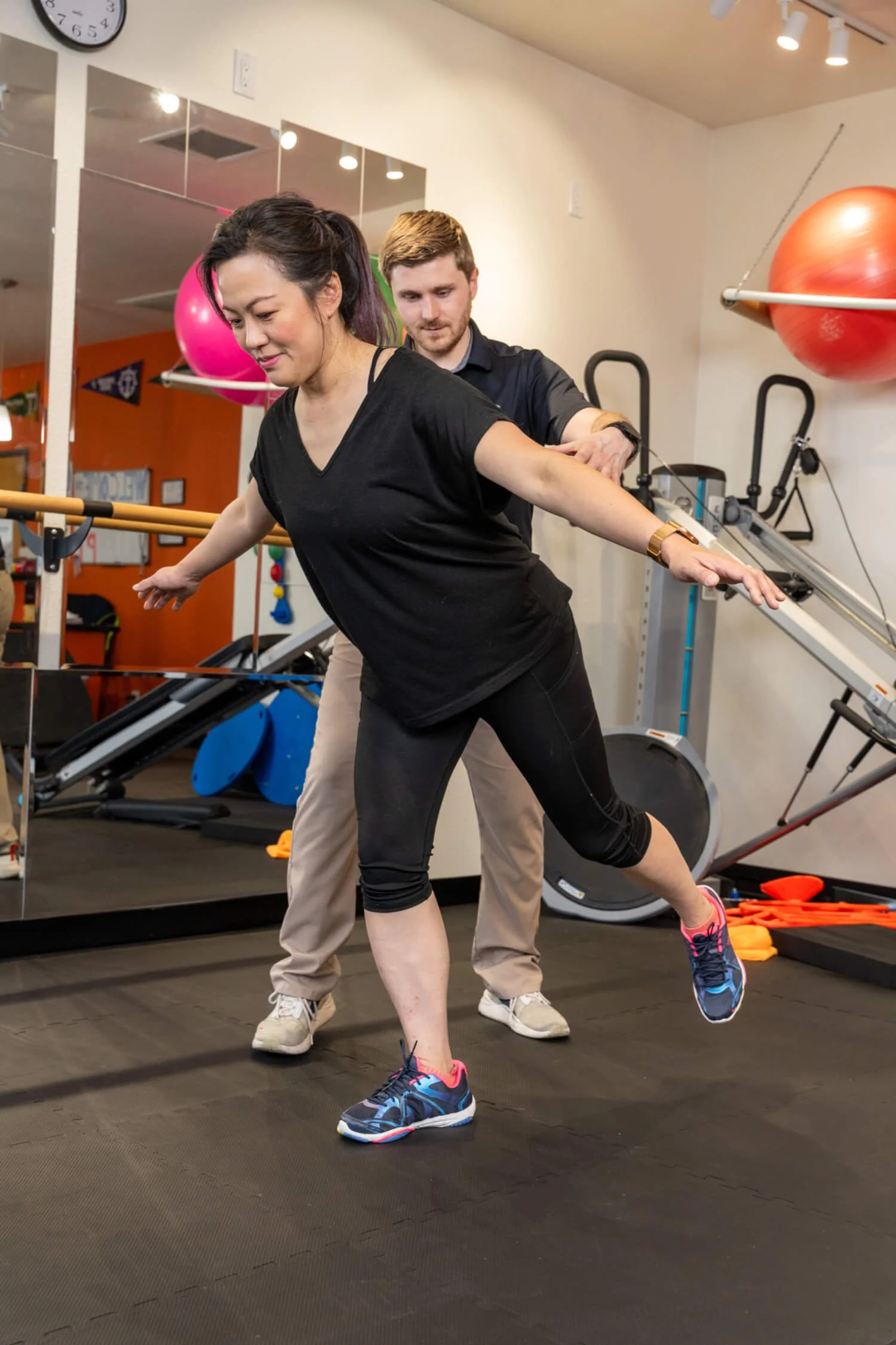
Our goal is to help you reduce pain, improve tissue tolerance, and return to training without recurring flare-ups. You receive 1-on-1 care from a Doctor of Physical Therapy, and treatment plans are tailored to your activity level and goals.
What Is Medial Tibial Stress Syndrome?
Medial tibial stress syndrome (MTSS) occurs when repetitive stress causes irritation along the tibia (shin bone).
Common symptoms include:
Aching or tenderness along the inner shin
Pain during or after running
Soreness that worsens when training volume increases
Discomfort during jumping or impact activities
Why Shin Pain Develops
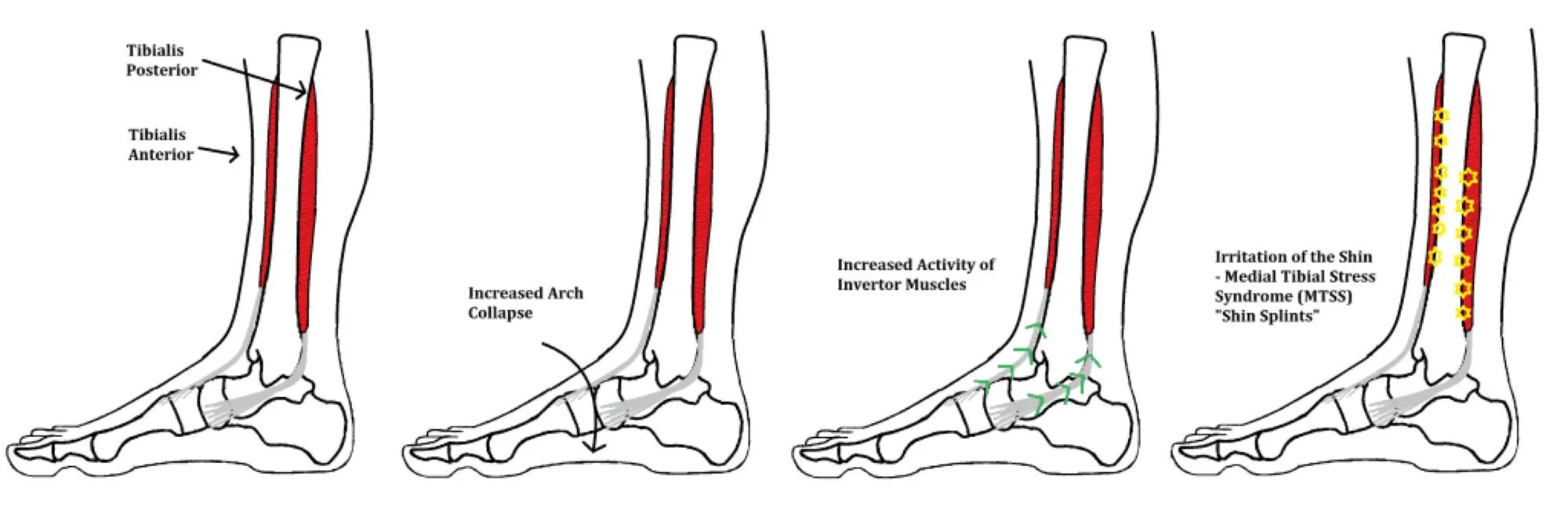
Shin pain typically occurs when training load increases faster than the tissues can adapt.
Common contributors include:
Rapid increases in running volume
Changes in terrain or footwear
Calf weakness or fatigue
Limited ankle mobility
High-impact loading without adequate recovery
Our Treatment Approach
1. Identify the cause
We assess:
Calf strength and endurance
Ankle mobility
Training load and progression
Impact tolerance
2. Reduce irritation
We help adjust:
Running volume
Impact exposure
Training schedule
3. Rebuild strength and tolerance
Treatment may include:
Impact progression training
Mobility work
Return-to-running progressions
Options for Recurring or Prolonged Shin Pain
For more persistent cases, additional treatment options may be appropriate alongside progressive rehab:
Shockwave Therapy (ESWT) for stubborn chronic issues or tendon-related pain
High-Intensity Laser Therapy (HILT) to support pain modulation and recover
We consider these based on your presentation and pair them with a full rehab plan, not as stand-alone shortcuts, to help you heal faster and reduce recovery time.
When High-Intensity Laser May Help
Laser therapy may support:
Pain modulation
Irritability reduction
Improved rehab tolerance
Laser often helps patients tolerate loading sooner.
When Shockwave Therapy May Help
Radial shockwave is often useful for:
Superficial targets
Broader treatment regions
Focused shockwave may be used when:
Greater precision is needed
Irritability limits radial tolerance
We select focused, radial, or both.
Compared with prolonged pain, repeated injections, imaging costs, or delayed recovery, ESWT and HILT are designed as focused interventions to accelerate tissue adaptation.
Frequently Asked Questions About Shin Splints
-
Shin splints usually cause aching or tenderness along the inside of the shin bone, especially during running or impact activity.
-
In some cases, yes. Training volume may need to be reduced or modified while strength and tolerance improve.
-
Recovery time varies, but many people improve within several weeks when training load and strength deficits are addressed.
-
No. Stress fractures are more severe bone injuries and often cause sharper, localized pain. Persistent symptoms should be evaluated.
-
Common causes include sudden increases in mileage, calf weakness, or poor recovery between training sessions.
-
If shin pain lasts more than a couple of weeks, worsens with activity, or repeatedly returns when training increases, a physical therapy evaluation can help identify contributing factors.
Stop Waiting. Start Recovering.
No referrals. No insurance delays. No techs or aides.
Just one-on-one care with a Doctor of Physical Therapy.
Whether you’re dealing with back pain, a sports injury, an auto accident, or a work injury, we make it simple to get started. Same-day appointments available.
Serving Hillsboro, Cornelius, Forest Grove, Aloha, and the greater Tualatin Valley.
Call us today at (971) 238-5755, or click the button below to schedule your initial evaluation online.
Unsure if self-pay physical therapy is for you? Schedule a free 15-minute consultation using the same button!
Our friendly team is ready to guide you on your path to recovery and lasting wellness.
Auto (PIP) Accepted
〰️
Workers' Compensation Accepted
〰️
Out-of-Network Reimbursement Available
〰️
Auto (PIP) Accepted 〰️ Workers' Compensation Accepted 〰️ Out-of-Network Reimbursement Available 〰️
Transparent pricing. Clear plan. No surprise bills.
Experience the TVPT Difference.