


Runner’s Knee and Patellofemoral Pain Treatment in Hillsboro
Reduce knee pain. Restore strength. Return to running and training comfortably.
Pain at the front of the knee is one of the most common complaints among runners and active adults.
Often called runner’s knee or patellofemoral pain syndrome (PFPS), this condition can make running, squatting, navigating stairs, lunging, and prolonged sitting uncomfortable.
At Tualatin Valley Physical Therapy, we help patients throughout Hillsboro, Washington County, and the Tualatin Valley reduce front-of-the-knee pain, restore their loading tolerance, and return to activity with confidence.
Most importantly: We address the drivers of pain, not just the symptoms. This is where real progress lies.
What Is Runner’s Knee?
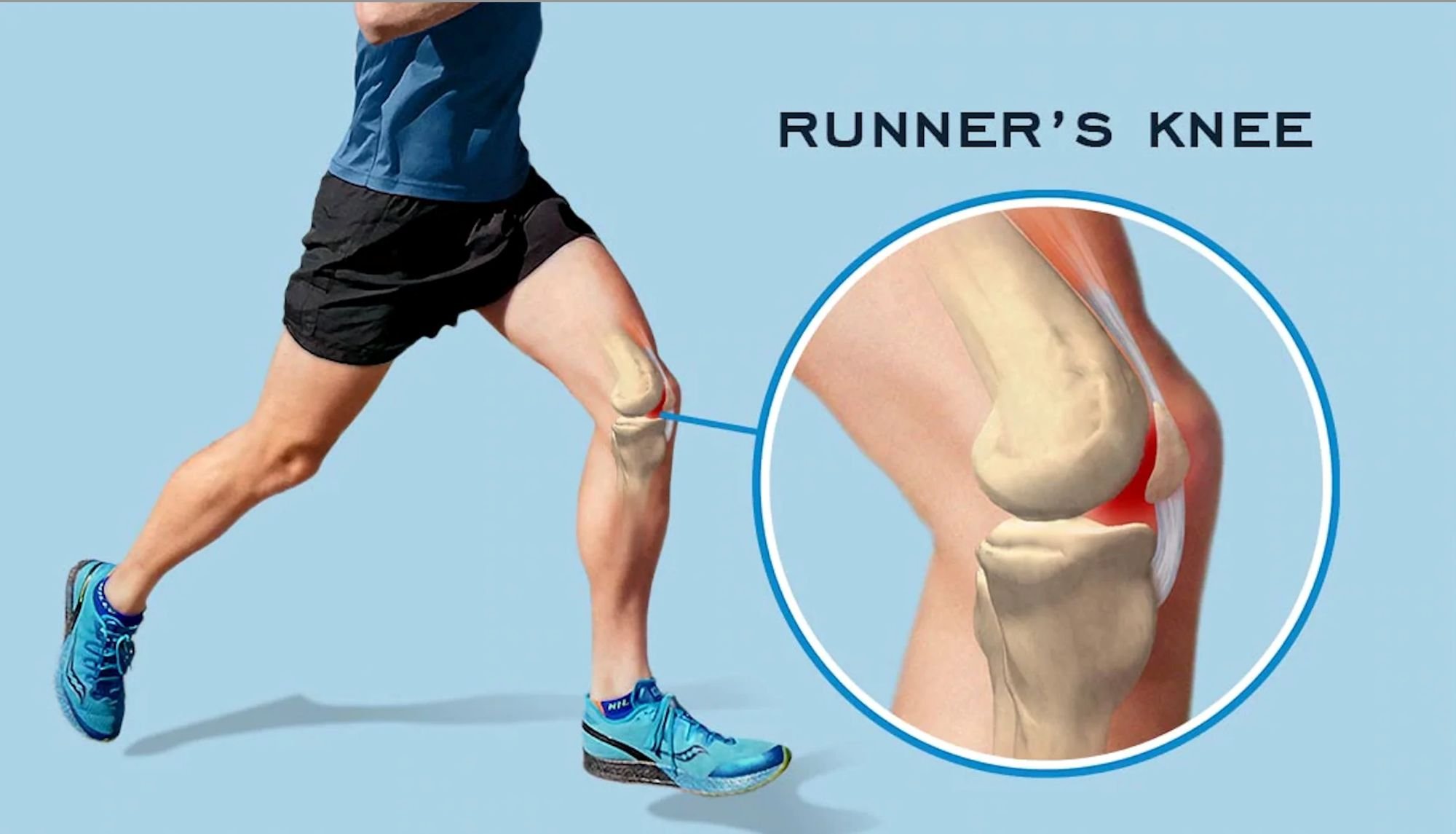
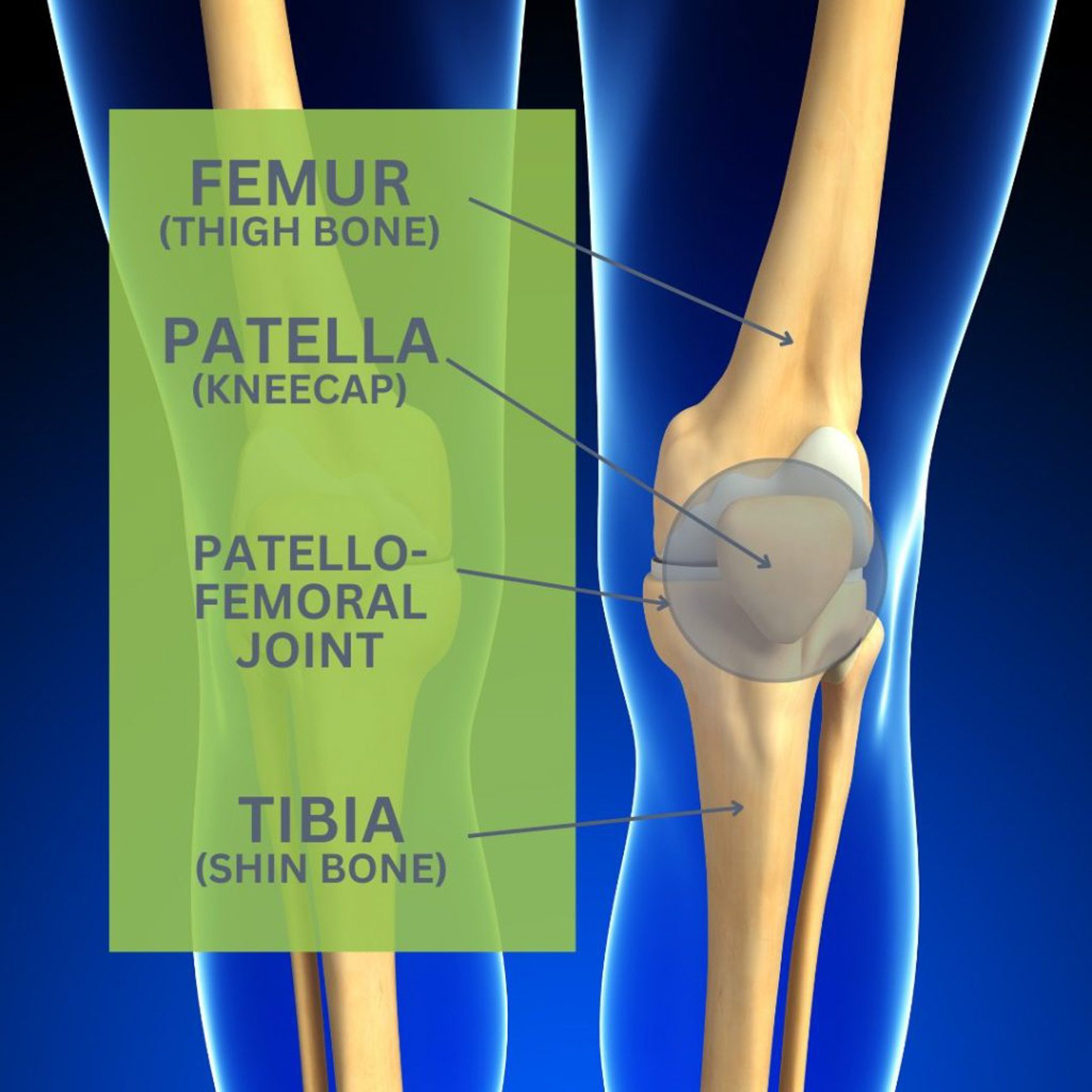
Runner’s knee typically refers to irritation or sensitivity around the kneecap (patella) and surrounding joint structures.
Common symptoms include:
Pain at the front of the knee
Discomfort with running
Pain with stairs (especially downstairs)
Pain with squats or lunges
Stiffness after sitting
Aching with activity
Runner’s knee is extremely common and highly responsive to targeted rehab.
Not to be confused with Jumper’s knee (patellar tendinopathy).
Why Patellofemoral Pain Happens
Despite common beliefs, runner’s knee is rarely a “wear and tear” problem.
Symptoms often relate to:
✔ Load tolerance deficits
✔ Strength imbalances
✔ Hip & trunk control factors
✔ Movement mechanics
✔ Training errors
✔ Tissue sensitivity
Pain intensity does not automatically mean damage.
Why Runner’s Knee Becomes Persistent
Many patients try:
Braces
Foam rolling or massage
Activity avoidance
Long-term improvement usually requires:
✔ Strength progression
✔ Load tolerance restoration
✔ Movement control refinement
✔ Training adjustments
✔ Confidence rebuilding
This is where targeted PT really shines.

How Physical Therapy Helps Runner’s Knee
Some persistent cases of front knee pain may benefit from advanced treatments, such as Shockwave Therapy (SWT) and High-Intensity Laser Therapy (HILT), when traditional care has not resolved the Shockwave Therapy (SWT) and High-Intensity Laser Therapy (HILT) when traditional care has not resolved symptoms.
If runner’s knee has persisted for several weeks, advanced therapies may help stimulate healing as part of a comprehensive rehab plan focused on restoring strength and movement.
Shockwave Therapy (ESWT) to support tissue remodeling
High-Intensity Laser Therapy to assist with pain modulation and recovery
These are considered in light of your presentation and are paired with structured rehabilitation.
Interested in accelerated recovery?
Check out our Accelerated Recovery & Performance page
OR
Who We Commonly Help
We frequently work with:
Rehab is always tailored to each individual’s needs. We work with you to meet your goals!
Effective rehab focuses on restoring capacity and mechanics.
Your treatment typically will include:
Movement & symptom assessment
Strength & motor control evaluation
Hip & trunk coordination analysis
Loading progression strategies
Running mechanics guidance
Mobility normalization
Squat & lunge pattern refinement
Tendon & joint tolerance development
Flare-up management planning
Our goal is restoring comfortable:
✔ Running
✔ Squatting
✔ Stairs
✔ Lunges
✔ Training & workouts
Without recurring flare-ups.
Options for Persistent Patellofemoral Pain
Runner’s Knee Frequently Asked Questions
-
Runner’s knee commonly refers to patellofemoral pain or irritation involving the kneecap and surrounding structures. It is typically influenced by load tolerance and movement mechanics.
-
Yes! Physical therapy improves strength, load tolerance, and movement mechanics to reduce patellofemoral pain.
-
Not typically. Modified training is often beneficial and preferred, unless symptoms are worsening.
-
Front-of-knee pain, also known as patellofemoral pain, commonly relates to load tolerance, strength, and movement mechanics.
-
Often due to load-tolerance and strength-control deficits. The knees absorb a lot of force when the joints above and below aren’t functioning properly.
-
Absolutely not. Most cases improve significantly with targeted rehabilitation.
-
Not necessarily. Most cases are related to tissue sensitivity and involve reversible mechanical factors.
-
Rest may temporarily reduce symptoms, but persistent cases often require structured rehabilitation to restore load tolerance and tissue capacity.
-
Care is always individualized, but many people improve within several weeks with continued strengthening and load management.
-
Absolutely! Whether the pain is patellofemoral (around your kneecap) or elsewhere, physical therapy is generally the best option if self-care has been unsuccessful.
-
Shockwave therapy may be considered for selected cases depending on tissue irritability and presentation. It is typically integrated with progressive strengthening strategies.
-
High-intensity laser therapy may support pain modulation and improve tolerance to rehabilitation. It is typically used alongside structured exercise progression.
Stop Waiting. Start Recovering.
No referrals. No insurance delays. No techs or aides.
Just one-on-one care with a Doctor of Physical Therapy.
Whether you’re dealing with back pain, a sports injury, an auto accident, or a work injury, we make it simple to get started. Same-day appointments available.
Serving Hillsboro, Cornelius, Forest Grove, Aloha, and the greater Tualatin Valley.
Call us today at (971) 238-5755, or click the button below to schedule your initial evaluation online.
Unsure if self-pay physical therapy is for you? Schedule a free 15-minute consultation using the same button!
Our friendly team is ready to guide you on your path to recovery and lasting wellness.
Auto (PIP) Accepted
〰️
Workers' Compensation Accepted
〰️
Out-of-Network Reimbursement Available
〰️
Auto (PIP) Accepted 〰️ Workers' Compensation Accepted 〰️ Out-of-Network Reimbursement Available 〰️
Transparent pricing. Clear plan. No surprise bills.
Experience the TVPT Difference.