


Patellar Tendonitis (Jumper's Knee) Rehab in Hillsboro, OR
Pain Below the Kneecap During Squats, Basketball, or Jumping? Let’s Fix It.
Patellar tendon pain is rarely solved by rest.
It is a load-management and progression issue.
Patellar Tendon Pain Often Improves With The Right Rehab Plan
Pain in the tendon below the kneecap can make squats, jumping, stairs, running, and training frustrating. At Tualatin Valley Physical Therapy, we help identify the real cause of patellar tendonitis, aka jumper’s knee, and build a personalized plan so you can move confidently again.
With our personalized model, your benefits include:
✔ One-on-one with a Doctor of Physical Therapy
✔ Full private sessions
✔ No techs or aides
✔ Same-day appointments when available
✔ No surprise bills or fees
What Is Patellar Tendonitis?
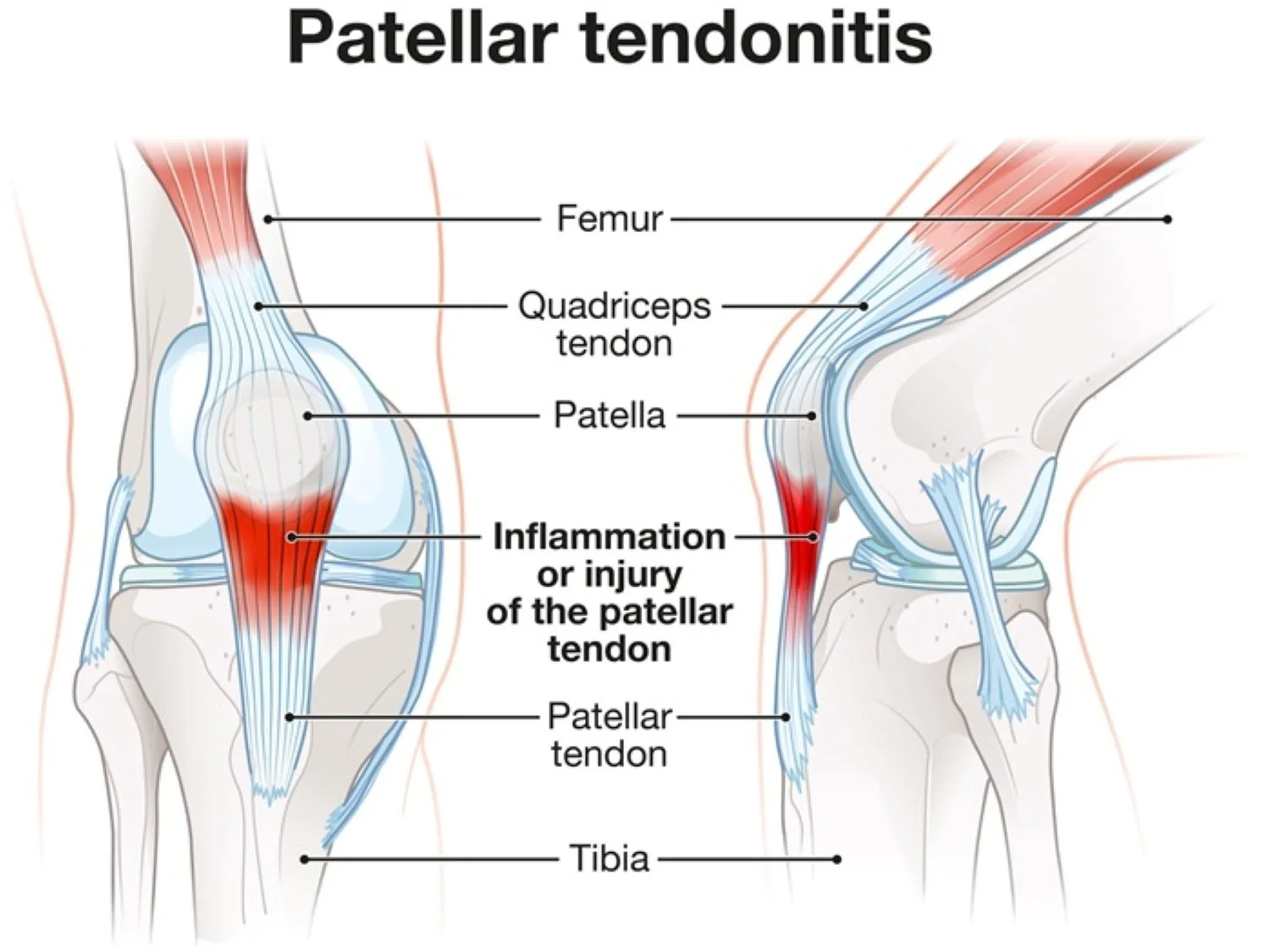
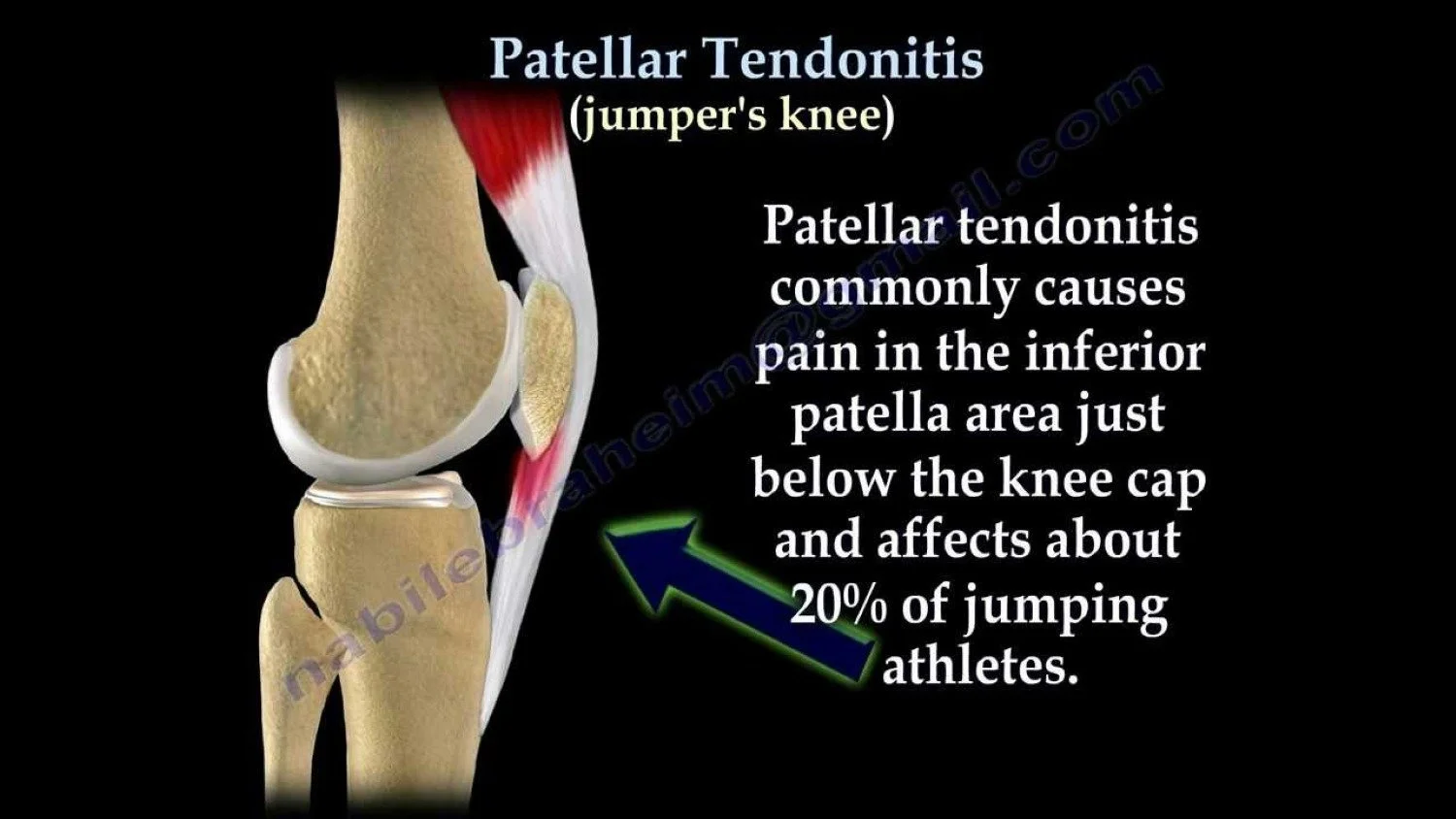
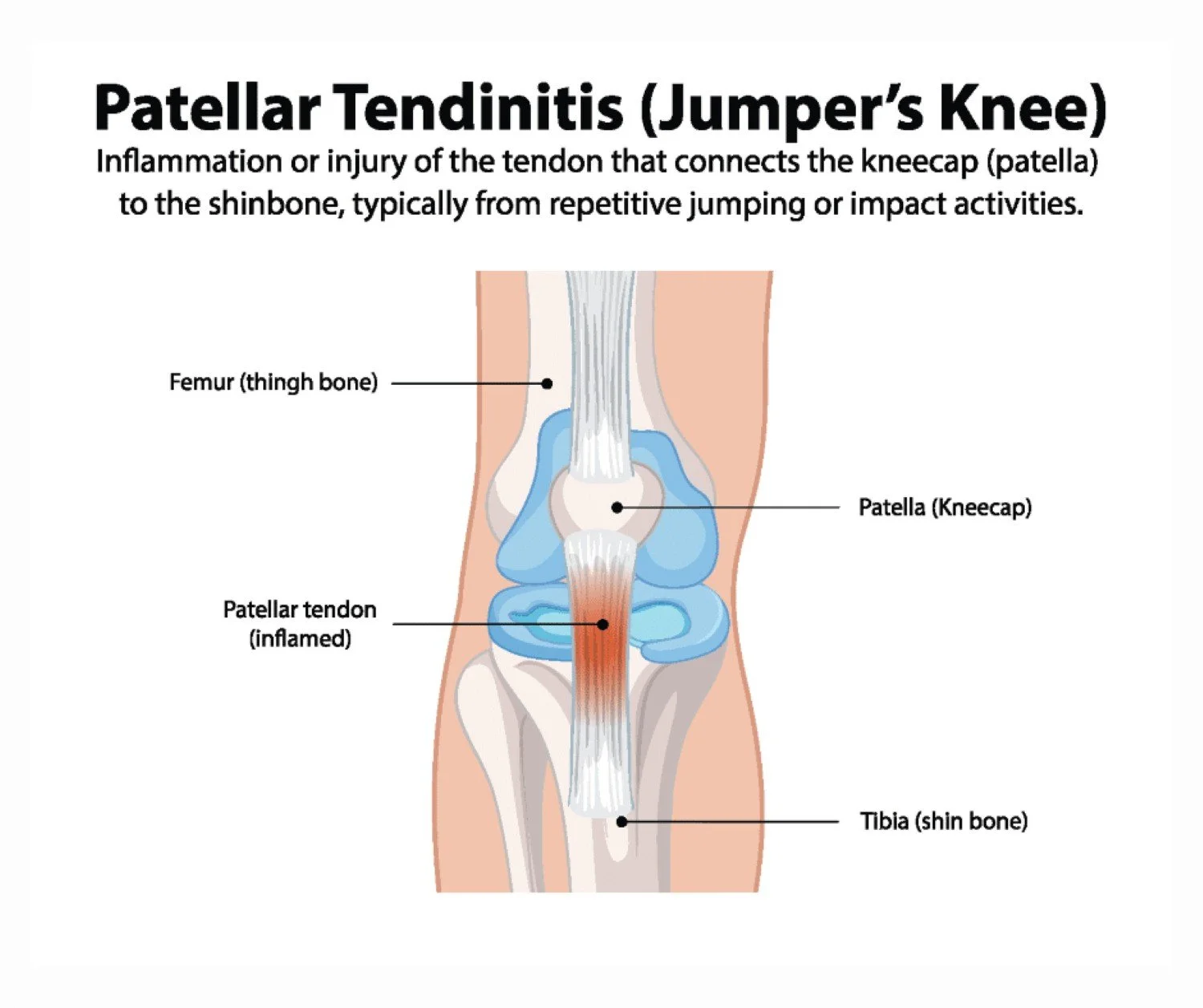
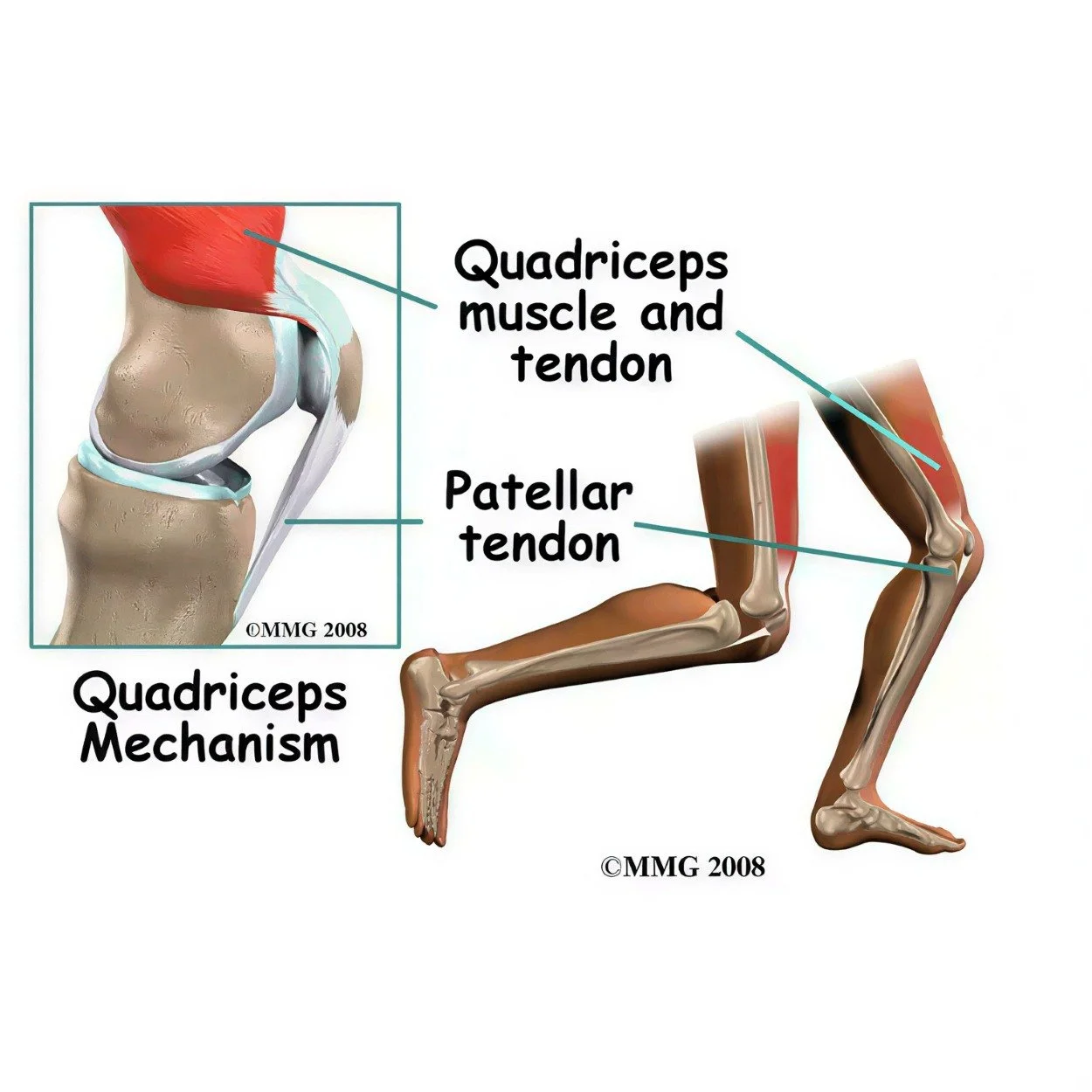
Patellar tendonitis is knee pain involving the tendon that connects the kneecap to the shin bone.
It is often called:
Jumper’s Knee
Patellar Tendinopathy
Patellar Tendon Pain
Despite the name “tendonitis,” many longer-lasting cases involve tendon overload and reduced tendon capacity rather than simple inflammation.
Common Patellar Tendon Symptoms
Patellar tendon pain often causes:
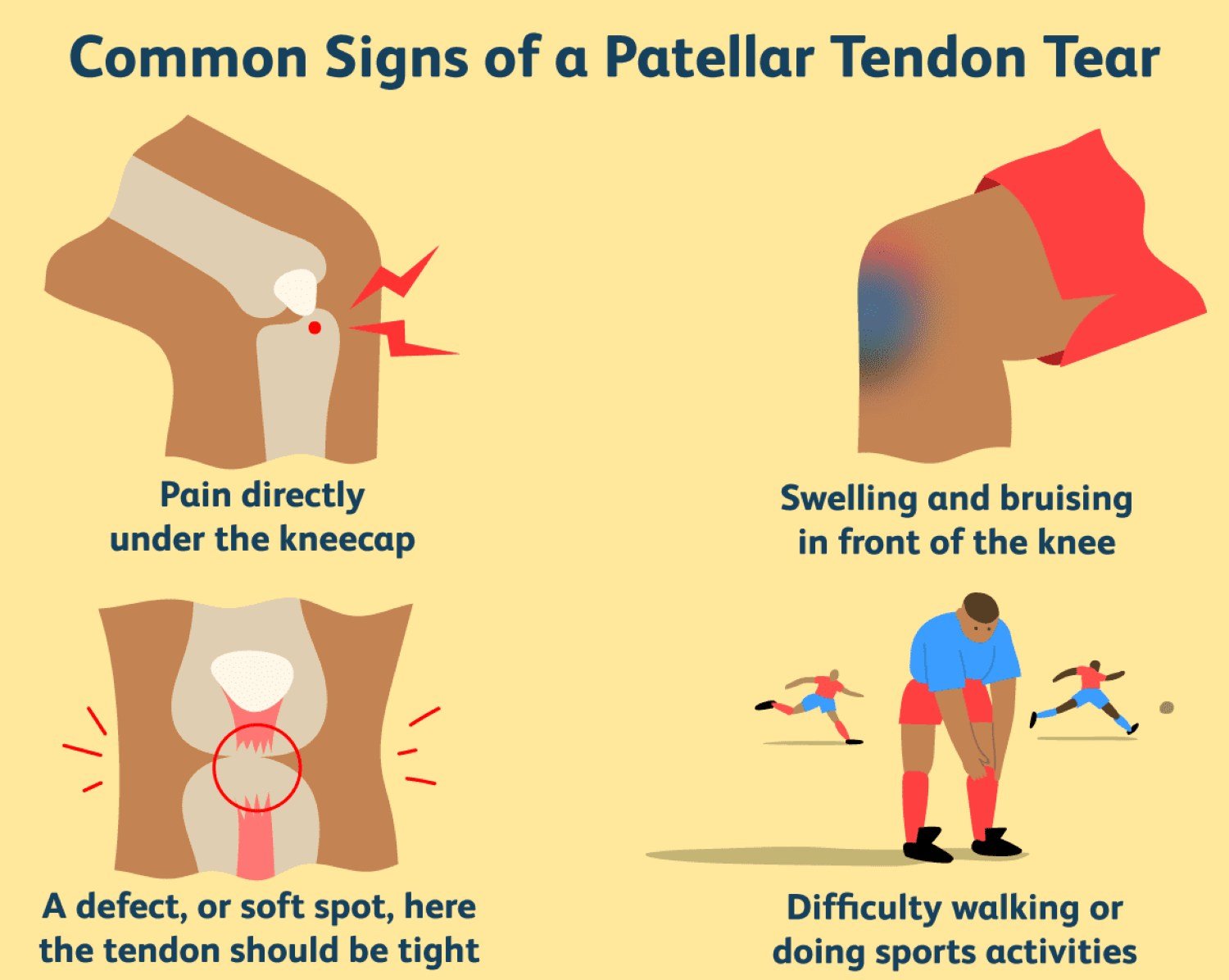
Pain directly below the kneecap
Pain during squats
Pain jumping or landing
Pain sprinting
Pain with stairs
Pain after workouts
Morning stiffness
Tenderness below kneecap
Pain starting activity that warms up later
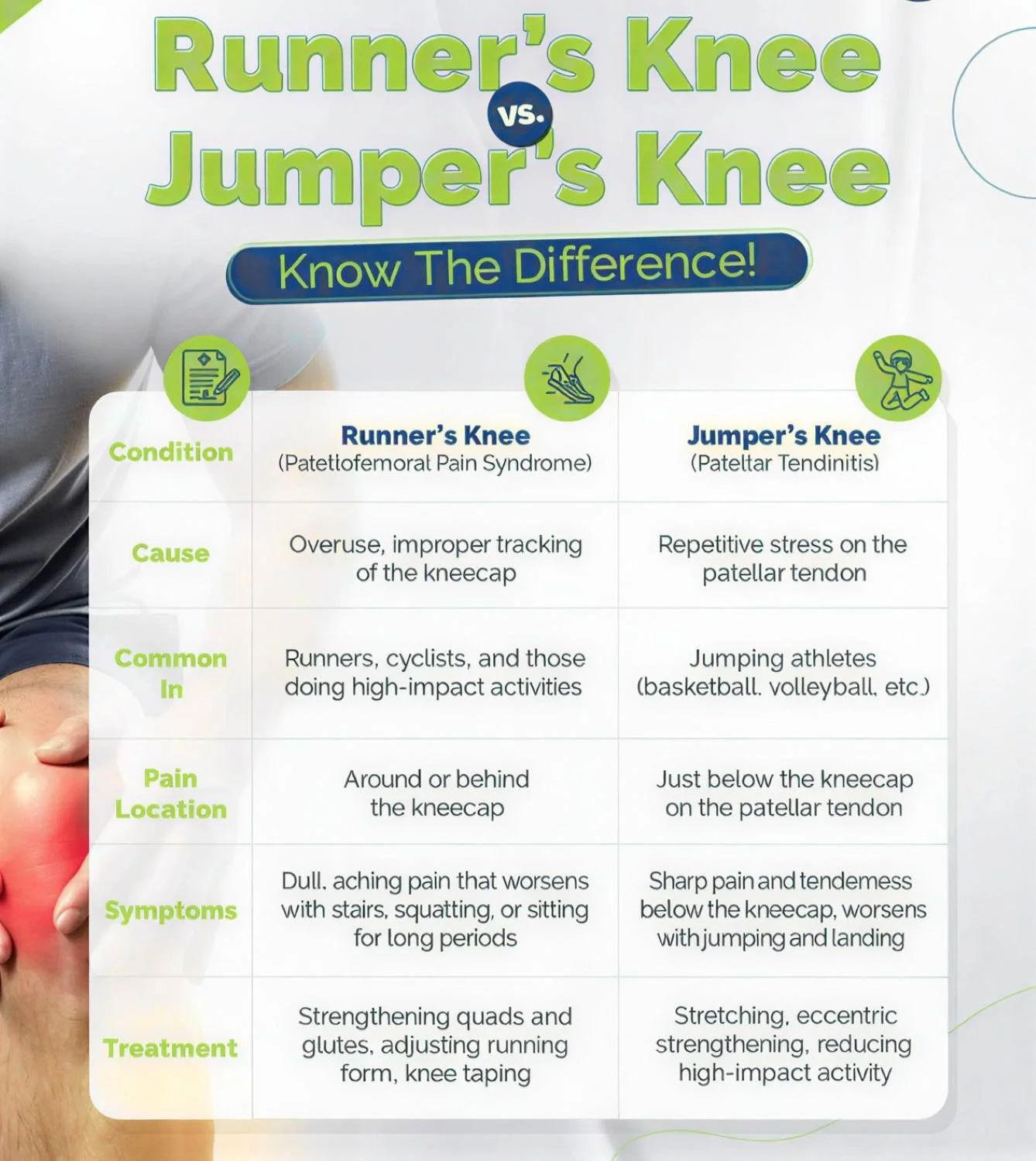
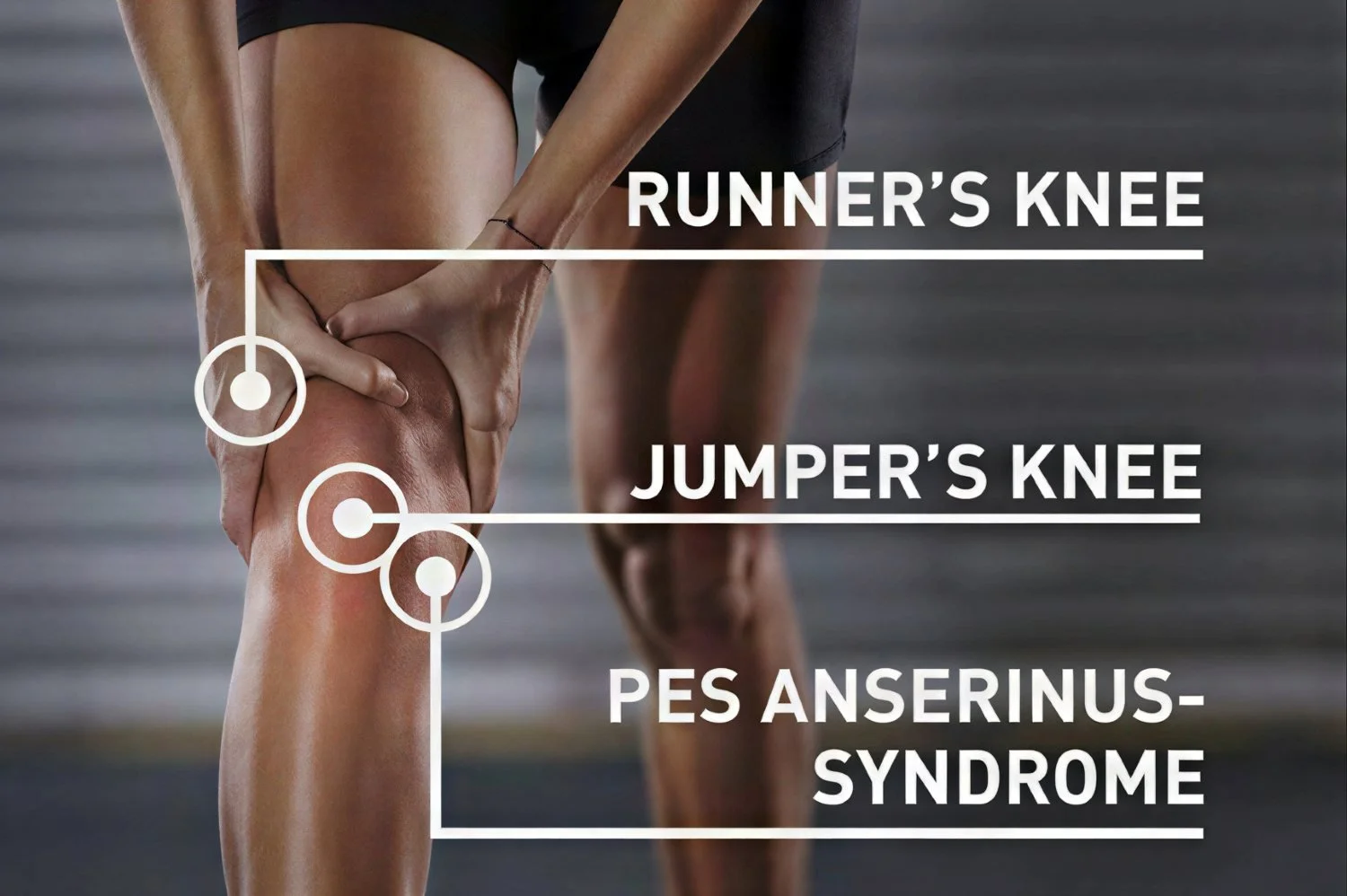
Jumper’s vs. Runner’s Knee
Two similar, yet completely different injuries.
Runner's knee (patellofemoral pain syndrome):
Causes a dull, aching pain behind or around the kneecap
Often triggered by prolonged bending or stairs.
Jumper's knee (patellar tendinopathy):
Causes sharp, tender pain below the kneecap
Usually triggered by jumping, running, or landing.
Both are overuse injuries, but their locations and mechanisms differ.
Who Gets Jumper’s Knee?
Common in:
Basketball players
Volleyball players
Soccer players
Pickleball/tennis athletes
Active adults returning quickly after time off
You do not need to be an elite athlete to develop it.
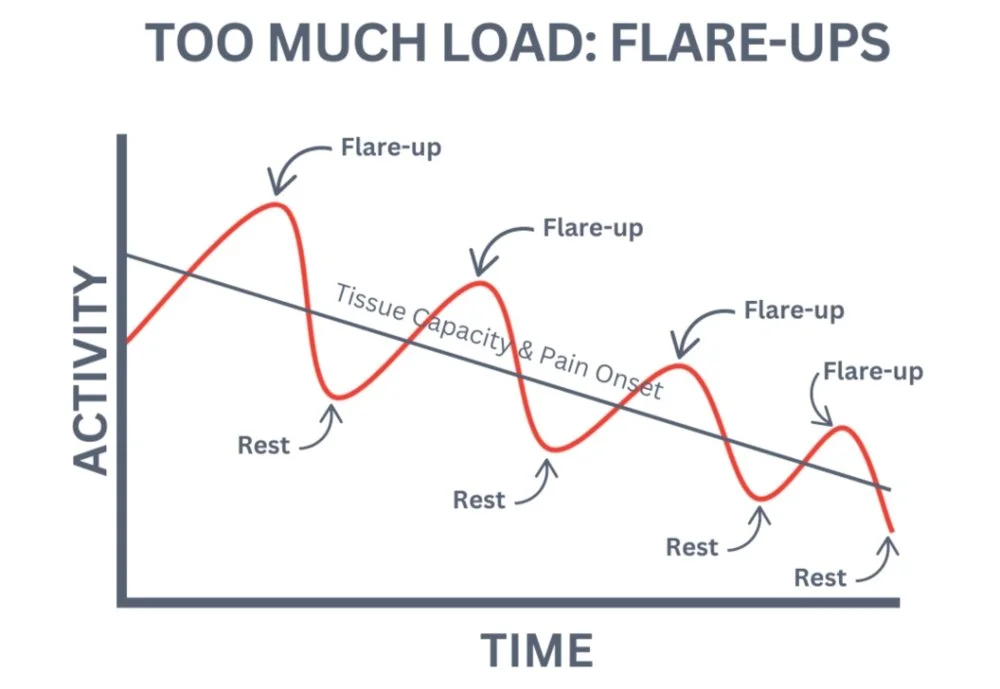
Why Patellar Tendon Pain Happens
Common contributors include:
Too much jumping volume
Heavy squat volume increases
Sprint load spikes
Rapid return to sport
Quad weakness
Poor recovery
Reduced tendon capacity
Training through early warning signs
Deconditioning followed by aggressive loading
Most cases are load-management problems more than “damage” problems.
Why Rest Alone Often Fails
Many people try:
Ice
Compression straps
Foam rolling
Avoiding leg training
This may calm symptoms temporarily.
But once training resumes, pain often returns if tendon capacity was never rebuilt.
The goal is not just calming symptoms.
The goal is to make the tendon stronger and more tolerant again.
Why Patellar Tendon Pain Becomes Stubborn
Load exceeds tolerance
Capacity wasn’t rebuilt
Progression was inconsistent
Strength is not optional.
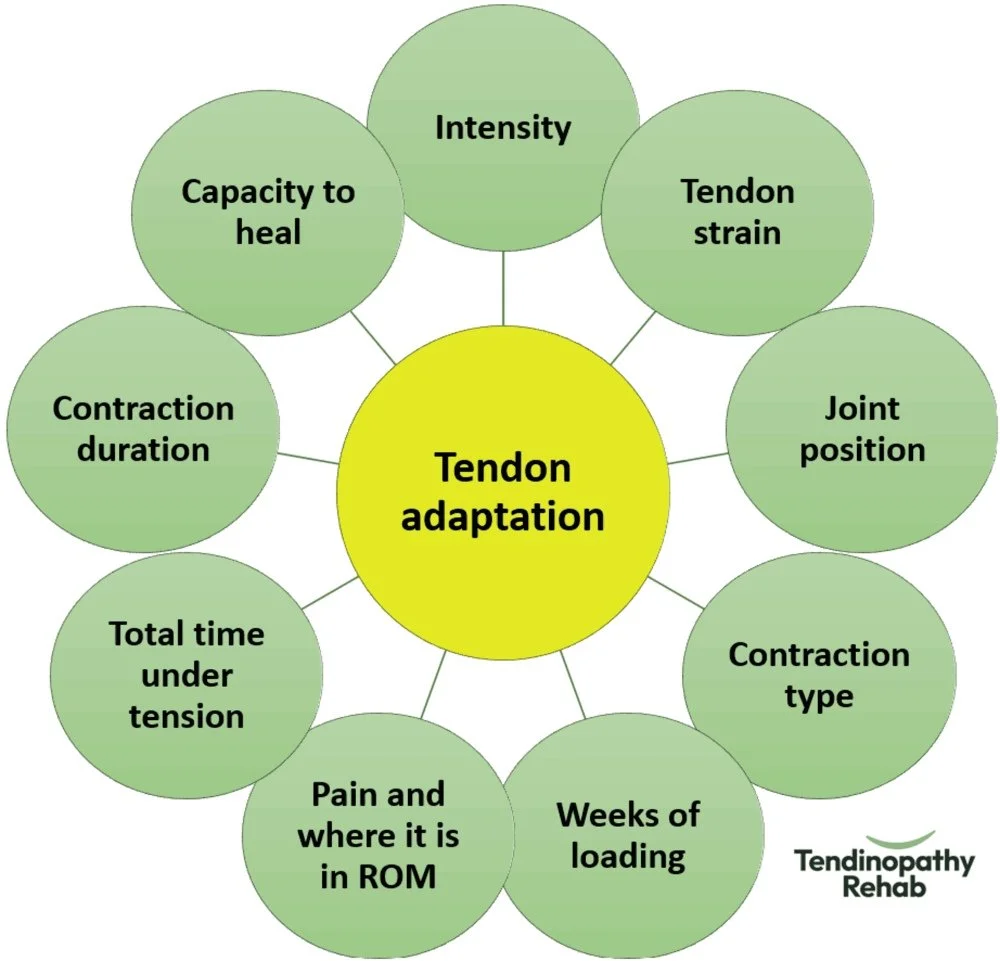
How Physical Therapy Helps Patellar Tendon Pain
Patellar tendon pain can interfere with:
Squats
Lunges
Box jumps
Running
Stairs
Basketball
Volleyball
Hiking
Leg day confidence
We help active adults stay engaged while recovering whenever possible.
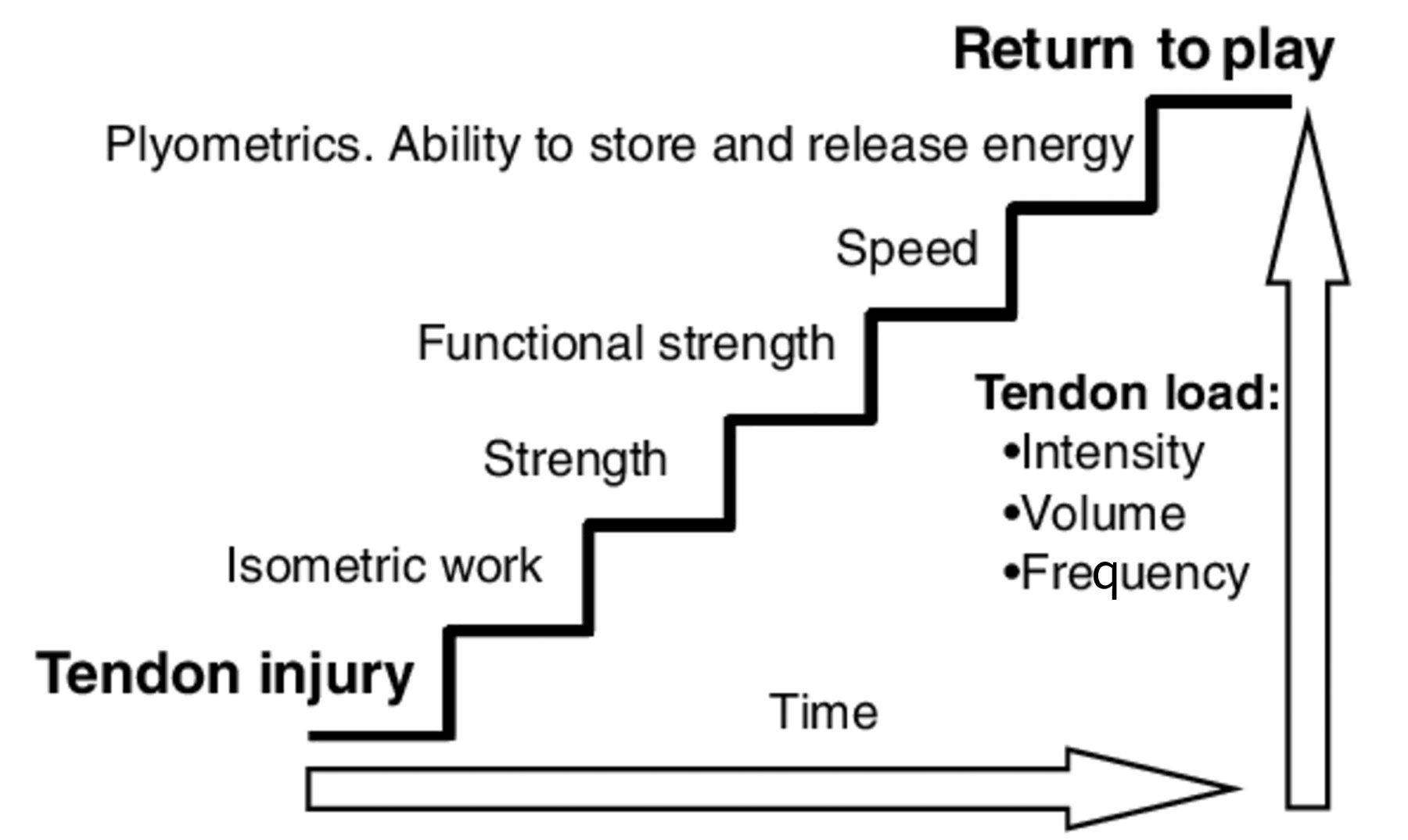
Treatment Strategy
Structured progression emphasizing:
Progressive loading
Strength rebuilding
Tendon capacity restoration
Modalities assist tolerance when needed.
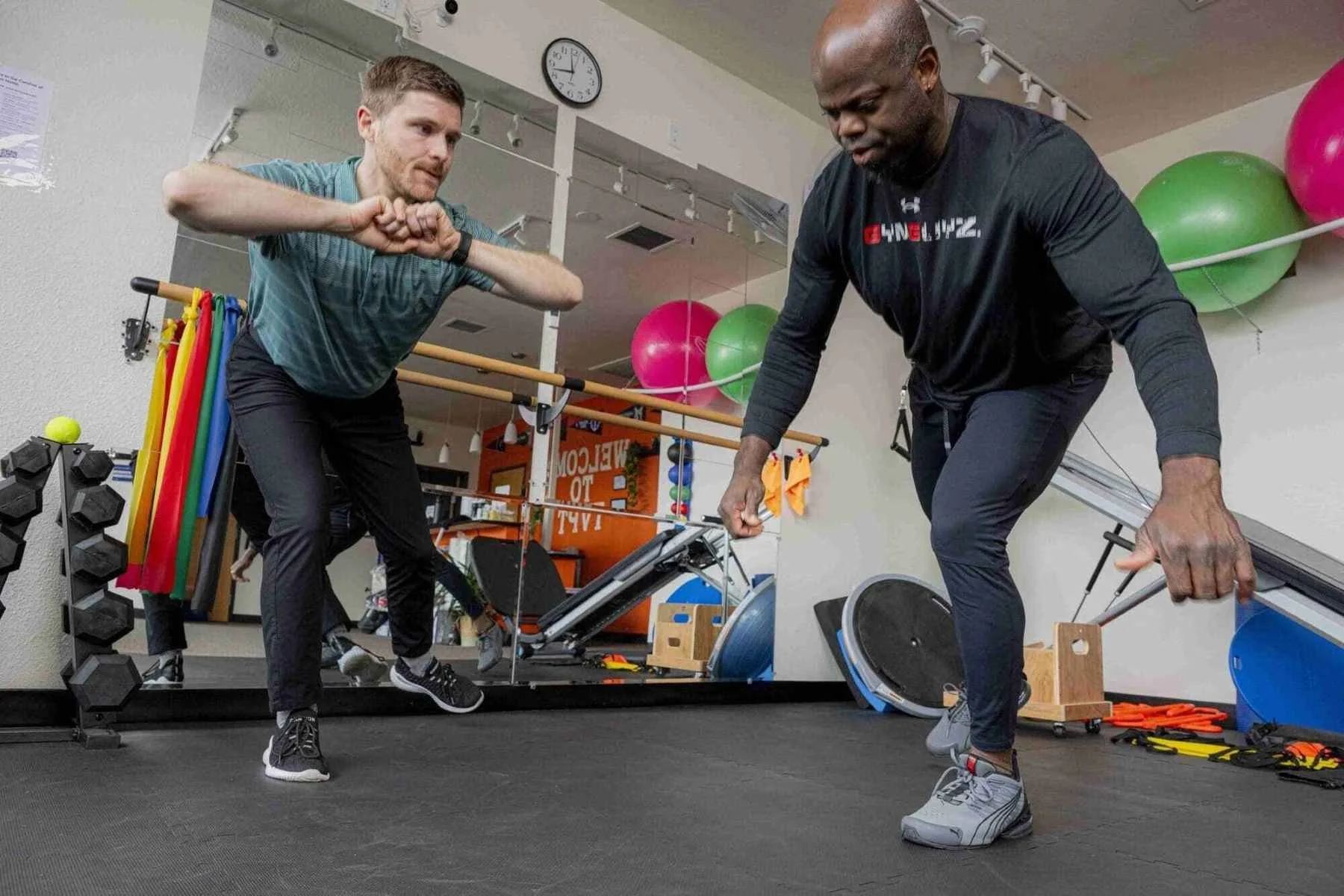
Patellar Tendon Rehab for Active Adults
At Tualatin Valley Physical Therapy, treatment may include:
Progressive tendon-loading programs
Isometric pain-relief strategies
Quad strengthening
Hip and glute strengthening
Landing mechanics coaching
Squat modification guidance
Running/jumping load planning
Mobility work when needed
Return-to-sport progression
Education so you understand the problem
Every program is personalized.
Advanced Options for Persistent Tendon Pain
Some patellar tendon cases improve with rehab alone.
Persistent or chronic tendon pain may also benefit from adjunctive tools as part of a full plan:
Shockwave Therapy (ESWT) for stubborn tendon pain
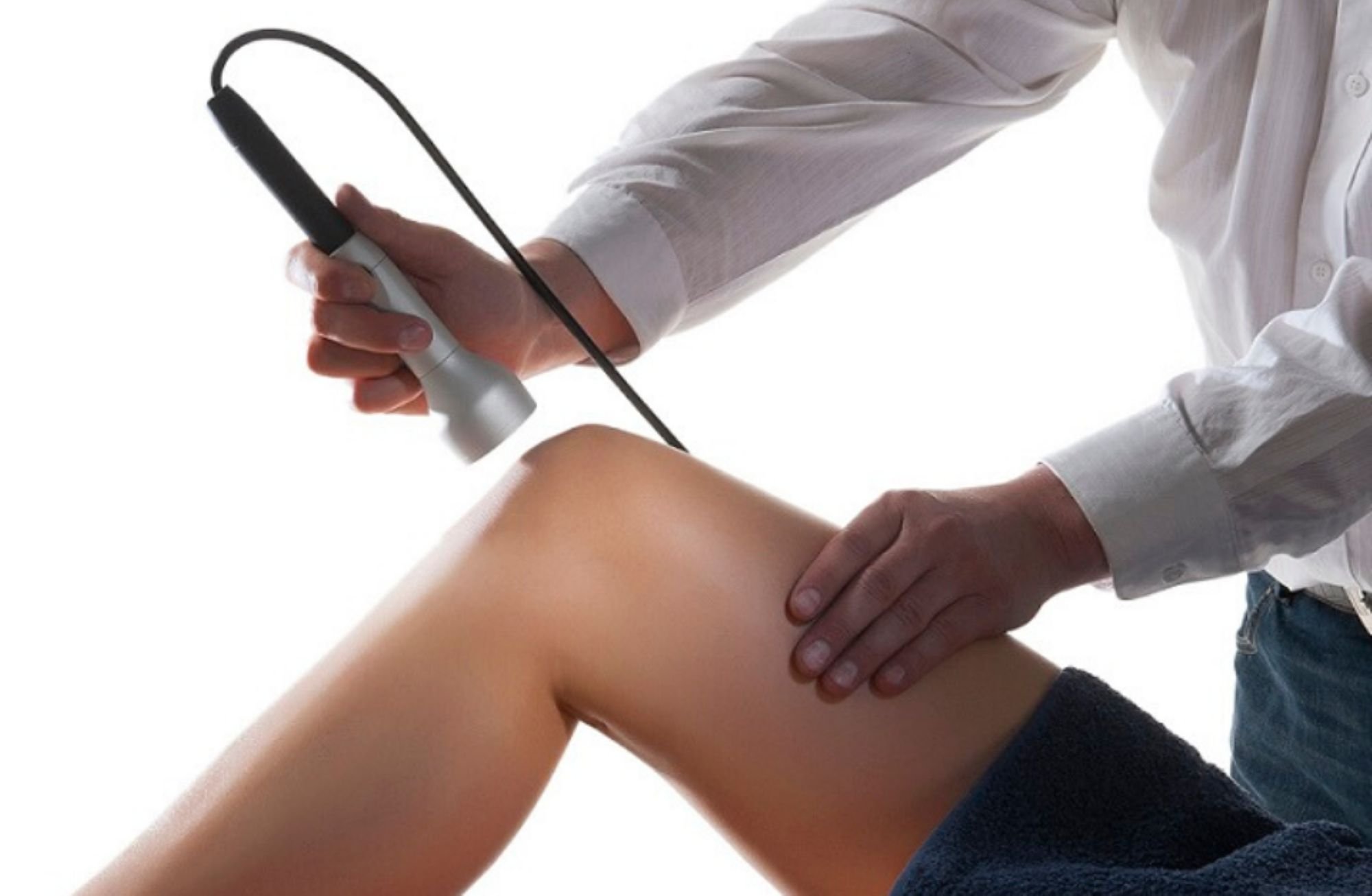
High-Intensity Laser Therapy (HILT) for pain relief support
Progressive strengthening and return-to-performance planning
These tools work best when paired with smart rehab.
Laser Therapy’s Role
Laser therapy often supports:
✔ Pain modulation
✔ Irritability reduction
✔ Earlier loading tolerance
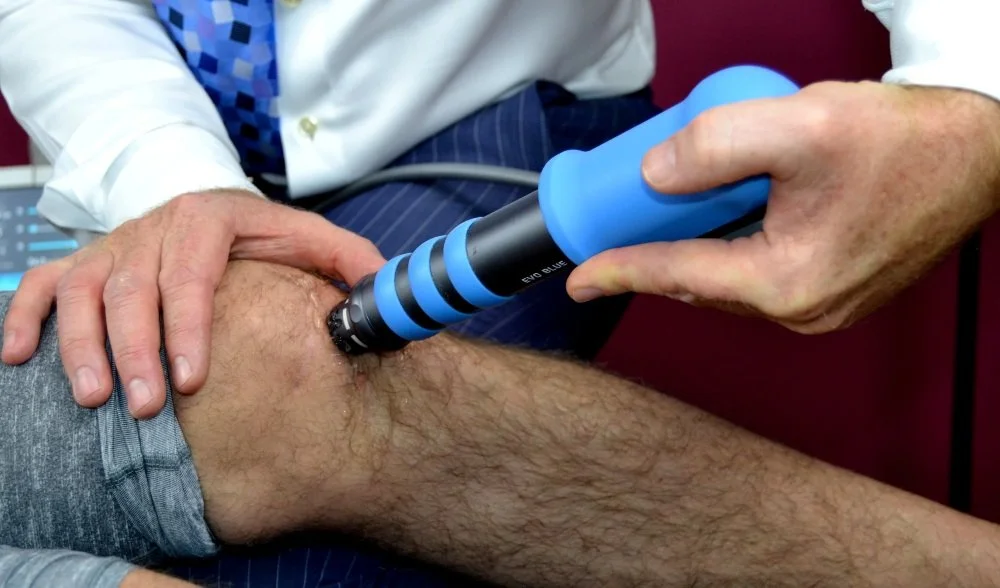
Shockwave Therapy’s Role
Shockwave therapy stimulates the body’s healing response through two different mechanisms:
Radial → broader superficial tendon regions
Focused → more precise/deeper targeting when needed
Selection is case-dependent.
Recovery Expectations
✔ Load progression required
✔ Temporary discomfort is normal
✔ Capacity rebuilding is the goal
Are you ready to stop the cycle of recurring patellar tendon pain?
Apply for an Accelerated Recovery & Performance Evaluation
OR
Check out our Accelerated Recovery & Performance page
Why Choose Tualatin Valley Physical Therapy?
Many clinics give generic knee exercises.
Here, your care is different:
One-on-one with a Doctor of Physical Therapy
Full sessions focused entirely on you
No techs or aides
Athlete-friendly treatment plans
Practical return-to-training guidance
Clear explanations without fluff
Our evaluation focuses on:
✔ Load tolerance
✔ Quadriceps capacity
✔ Plyometric tolerance
✔ Movement mechanics
✔ Irritability level
We stage rehab precisely.
What To Expect at Your First Visit
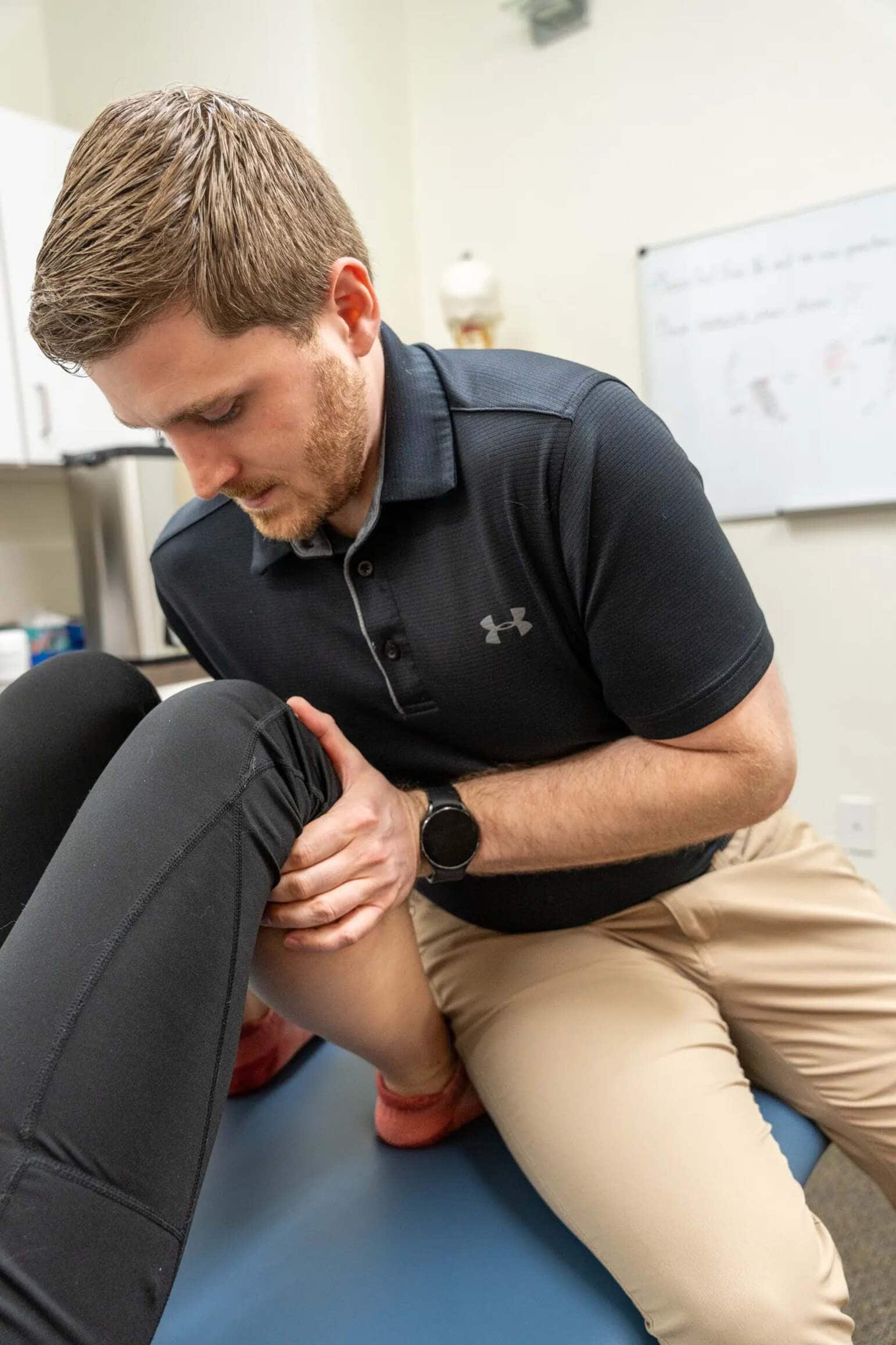
Your evaluation may include:
Training history review
Load tolerance assessment
Strength testing
Squat/jump movement review
Mobility testing
Recovery factor review
You leave with clarity and direction.
Patellar Tendinopathy Physical Therapy in Hillsboro, OR
If you are searching for:
Patellar tendonitis treatment Hillsboro
Jumper’s knee treatment near me
Pain below the kneecap during squats
Tendon pain under the kneecap
Physical therapy for jumper’s knee
Tualatin Valley Physical Therapy provides one-on-one personalized care designed to help you recover and move confidently again.
When To Get Help for Patellar Tendon Pain
Consider physical therapy if:
Pain isn’t improving after a week or two
Jumping hurts
Squats hurt regularly
Pain returns with training
Stairs are aggravating
Symptoms are worsening
You are avoiding lower-body work
Earlier treatment often means easier recovery.
Stop Letting Tendon Pain Limit Your Training
You do not need to keep guessing or avoiding leg day.
Get a clear plan and one-on-one care designed to help your knee improve.
Book your evaluation today!
Patellar Tendinopathy Frequently Asked Questions
-
Patellar tendinopathy is pain involving the tendon below the kneecap, often related to jumping, squatting, sprinting, or overload.
-
Irritation of the patellar tendon often causes pain just below the kneecap, especially with jumping, running, squatting, stairs, lunges, or sports that involve repeated acceleration and deceleration.
-
Yes. Jumper’s knee is a common nickname for patellar tendonitis or patellar tendinopathy because symptoms are often aggravated by jumping, landing, sprinting, and cutting activities.
-
Not always. Many people do best with temporary modifications to jumping volume, squat depth, load, tempo, or exercise selection while rebuilding tendon capacity. Complete rest often does not solve the underlying load-tolerance problem.
-
Yes. Physical therapy can help improve tendon load tolerance, quad and hip strength, landing mechanics, training-load management, and gradual return to running, lifting, or sport.
-
Recovery varies based on symptom severity, tendon irritability, training demands, strength deficits, and how long symptoms have been present. Many cases improve over several weeks to a few months with progressive rehab.
-
In some stubborn or chronic cases, yes, as part of a broader rehab plan.
-
Consider getting evaluated if pain below the kneecap lasts more than a couple of weeks, worsens, keeps returning with running or jumping, limits squats or stairs, causes swelling, or prevents you from training comfortably.
Stop Waiting. Start Recovering.
No referrals. No insurance delays. No techs or aides.
Just one-on-one care with a Doctor of Physical Therapy.
Whether you’re dealing with back pain, a sports injury, an auto accident, or a work injury, we make it simple to get started. Same-day appointments available.
Serving Hillsboro, Cornelius, Forest Grove, Aloha, and the greater Tualatin Valley.
Call us today at (971) 238-5755, or click the button below to schedule your initial evaluation online.
Unsure if self-pay physical therapy is for you? Schedule a free 15-minute consultation using the same button!
Our friendly team is ready to guide you on your path to recovery and lasting wellness.
Auto (PIP) Accepted
〰️
Workers' Compensation Accepted
〰️
Out-of-Network Reimbursement Available
〰️
Auto (PIP) Accepted 〰️ Workers' Compensation Accepted 〰️ Out-of-Network Reimbursement Available 〰️
Transparent pricing. Clear plan. No surprise bills.
Experience the TVPT Difference.