


Squatting Knee Pain Physical Therapy in Hillsboro, OR
Squats Should Build Strength, Not Cause Knee Pain
Pain during squats can make training frustrating and confusing. Whether you lift casually, train hard, or compete, we help identify the real cause of squatting knee pain and create a plan to help you train confidently again.
Knees Hurt When You Squat? Let’s Find Out Why.
At TVPT, you can expect:
✔ One-on-one with a Doctor of Physical Therapy
✔ Full private sessions
✔ No techs or aides
✔ Same-day appointments when available
Knee Pain During Squats Is Common, But Not Normal
Many lifters assume knee pain is just part of training.
It is not.
Pain with squats often means something in the system needs attention, such as:
Load progression
Mobility
Strength balance
Movement strategy
Tendon irritation
Recovery capacity
The good news is that most squat-related knee pain is highly treatable.
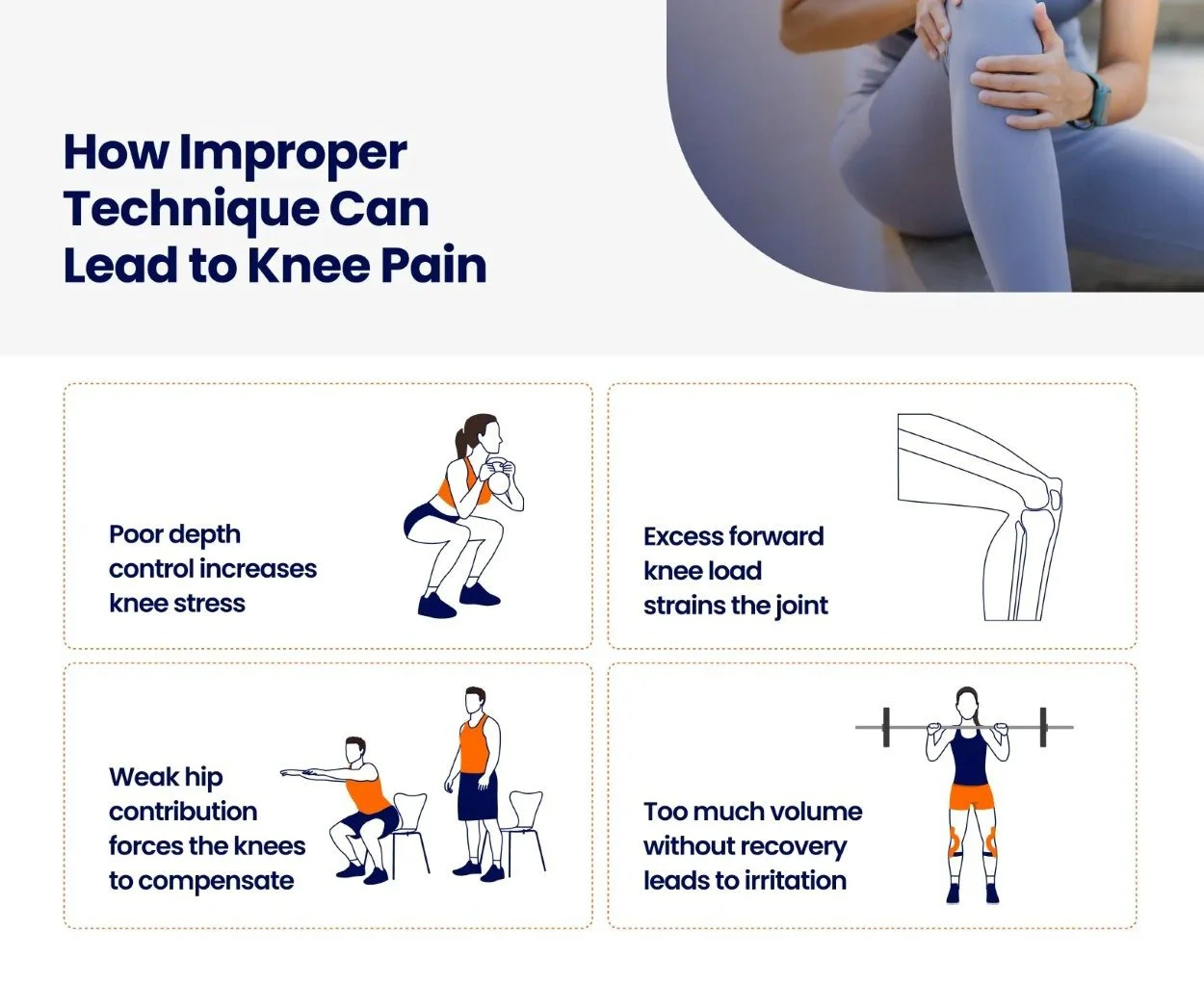
Common Types of Squat-Related Knee Pain
Front Knee Pain
Often around or under the kneecap.
May relate to:
Quad weakness
Load tolerance issues
Below the Kneecap Pain
Often related to patellar tendon pain.
Inside or Outside Knee Pain
May involve load strategy, tissue sensitivity, mobility limits, or other structures.
Deep Knee Ache
May relate to volume, mobility, or tolerance issues.
Why Rest Alone Often Fails
Many people try:
Knee sleeves only
Ice
Foam rolling
Hoping it goes away
This may calm symptoms temporarily.
But if strength, tolerance, mechanics, and progression are not improved, pain often returns when squats resume.
The goal is not avoiding squats forever.
The goal is to return stronger.
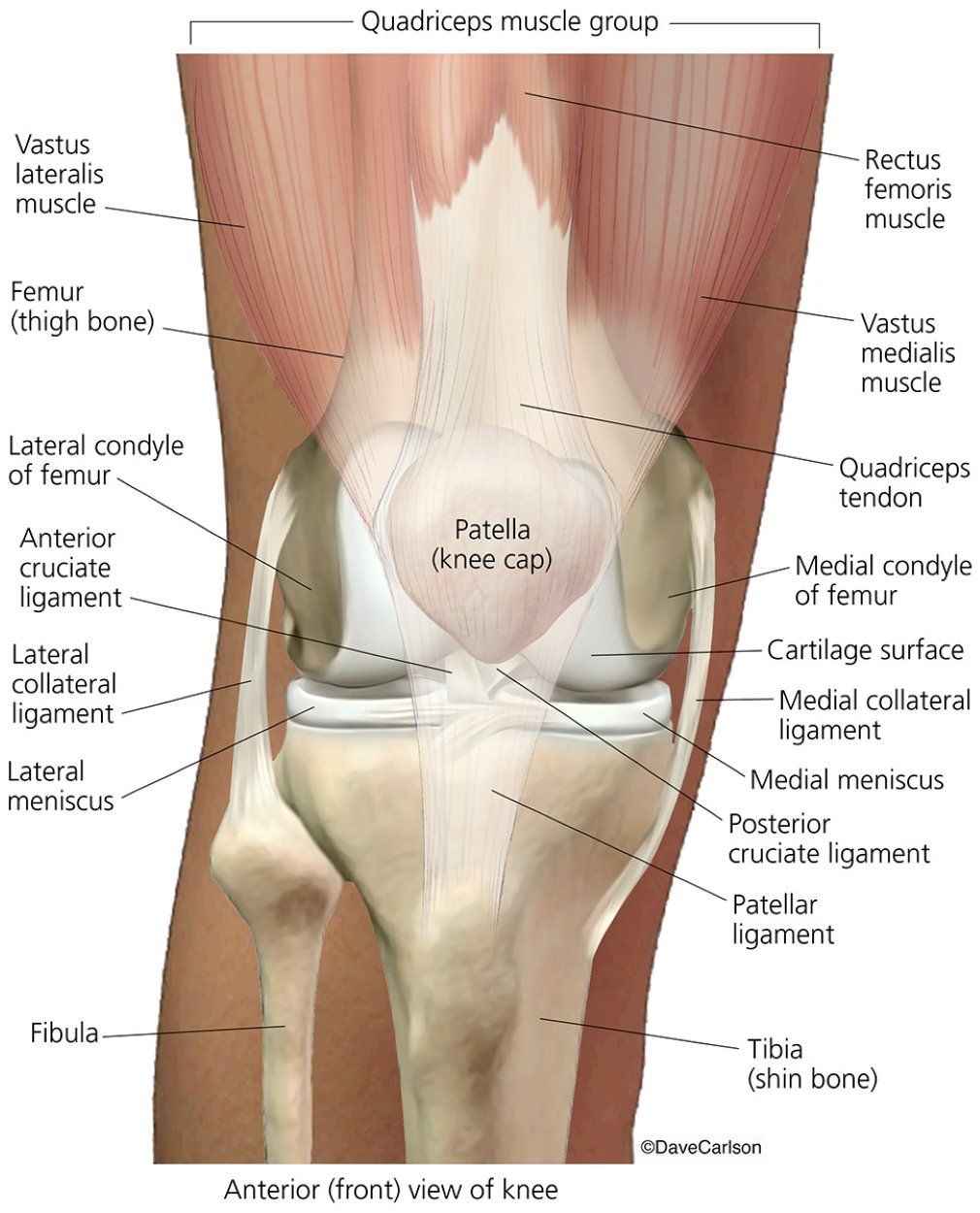
Why Squats Cause Knee Pain
Common contributors include:
Doing too much too soon
Sudden volume spikes
Poor recovery
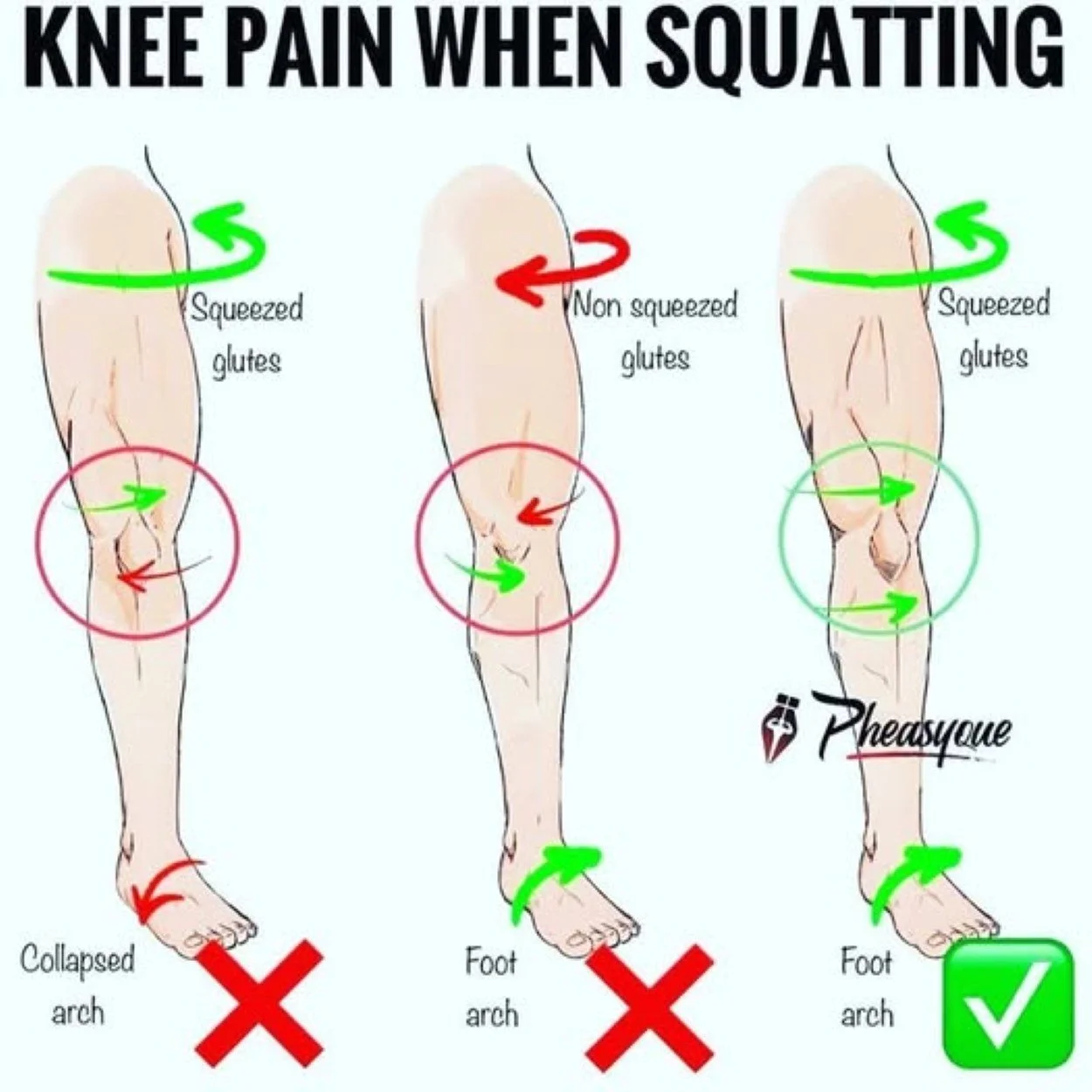
Weak hips or quads
Limited ankle mobility
Poor bracing or control
Patellar tendon overload
Technique changes under fatigue
Returning after time off
Training through warning signs too long
Usually, it is not just “bad form.”
It is often a combination of capacity, mechanics, and load management.
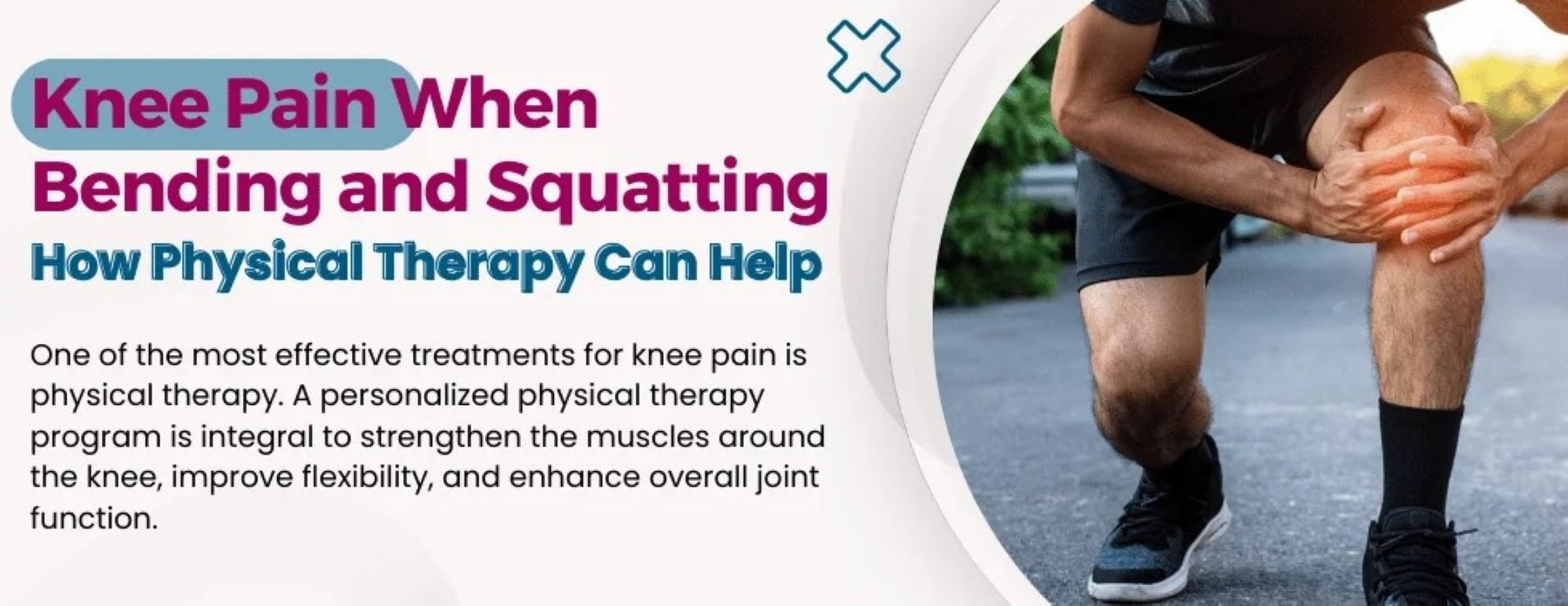
How Physical Therapy Helps Knee Pain From Squats
At Tualatin Valley Physical Therapy, treatment may include:
Strength testing
Quad and hip strengthening
Patellar tendon loading programs
Ankle and hip mobility work
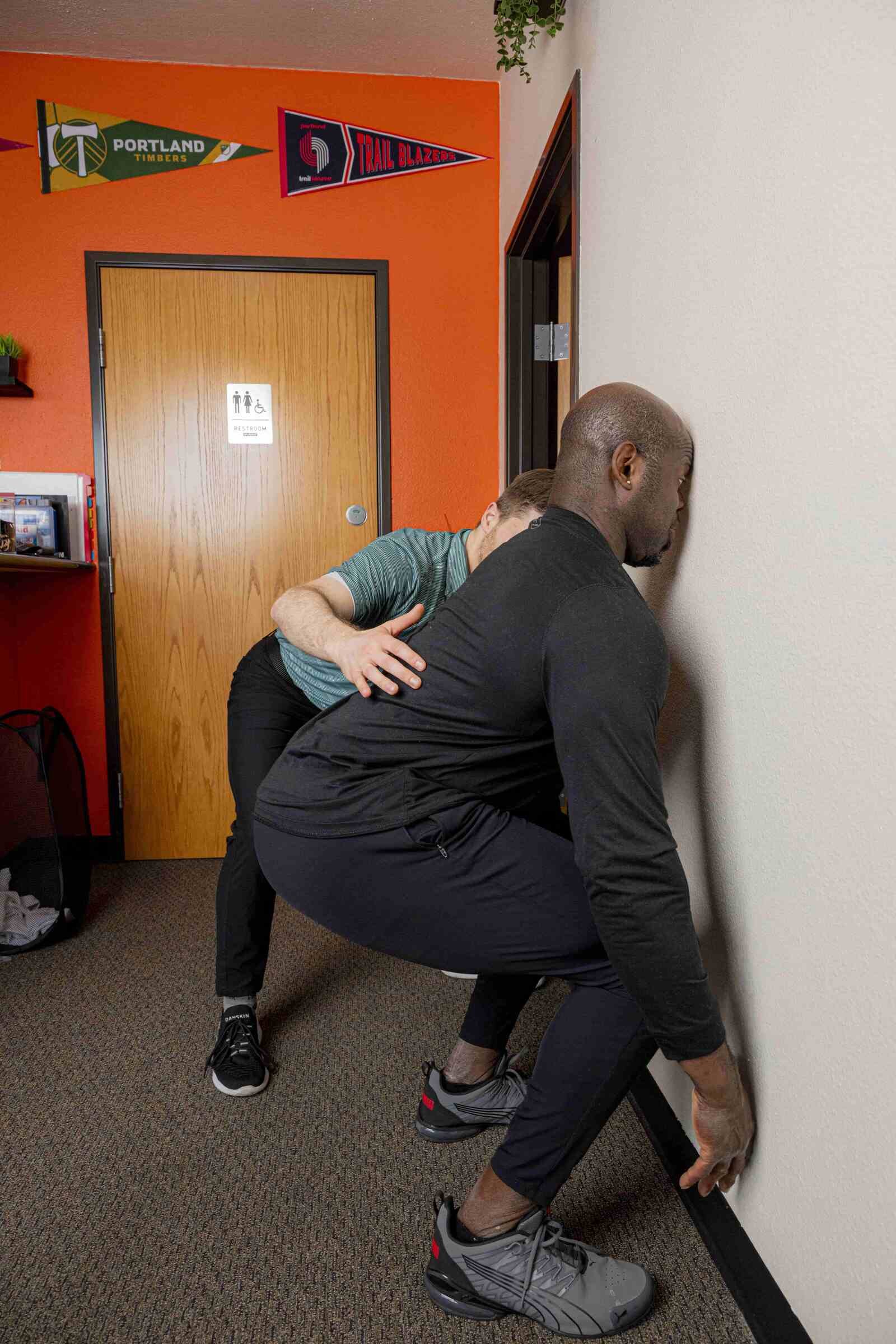
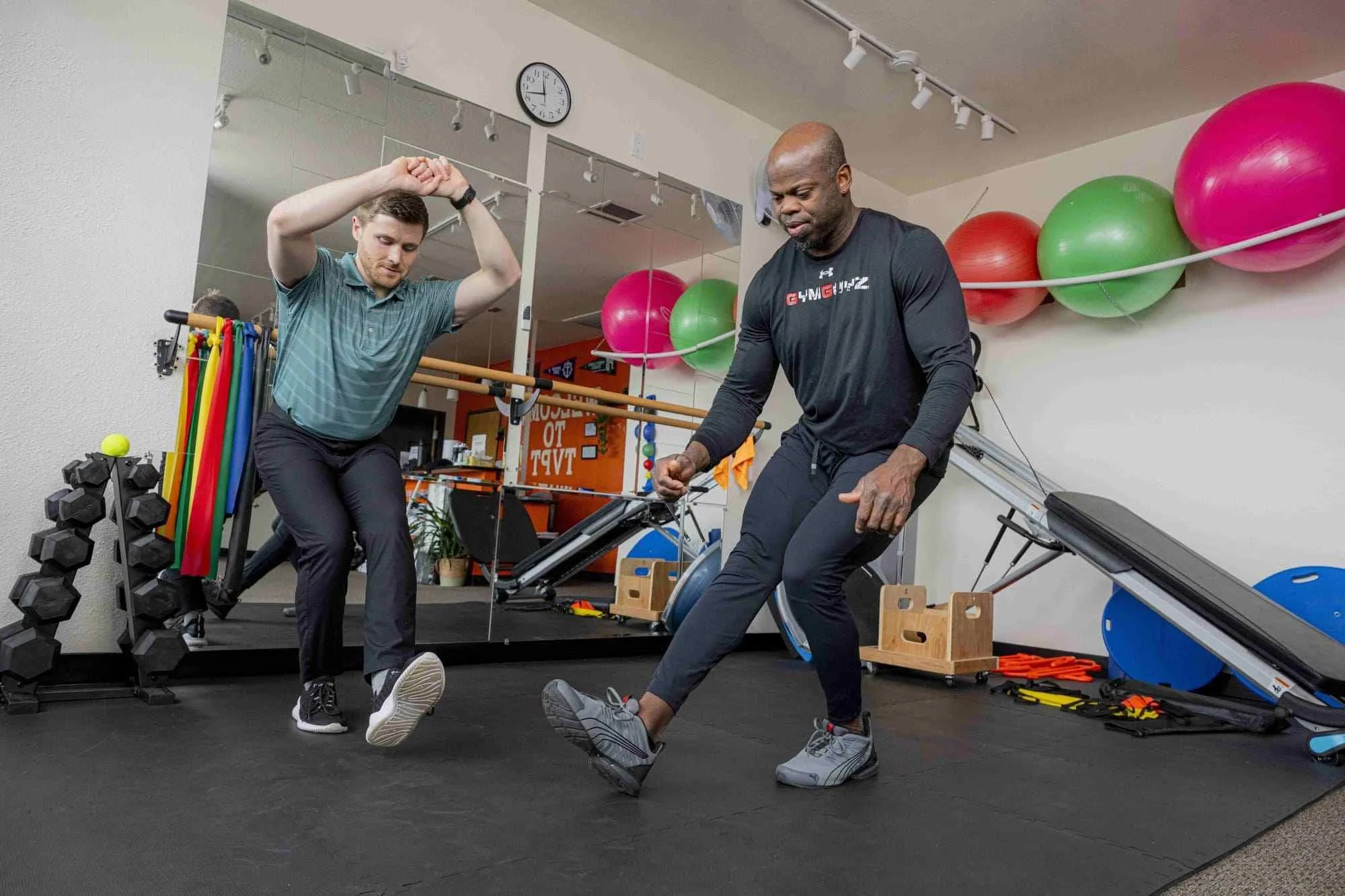
Squat movement assessment
Technique coaching when appropriate
Volume/programming guidance
Return-to-training progression
Pain management strategies
Education so you understand the real issue
Every plan is personalized to your goals.
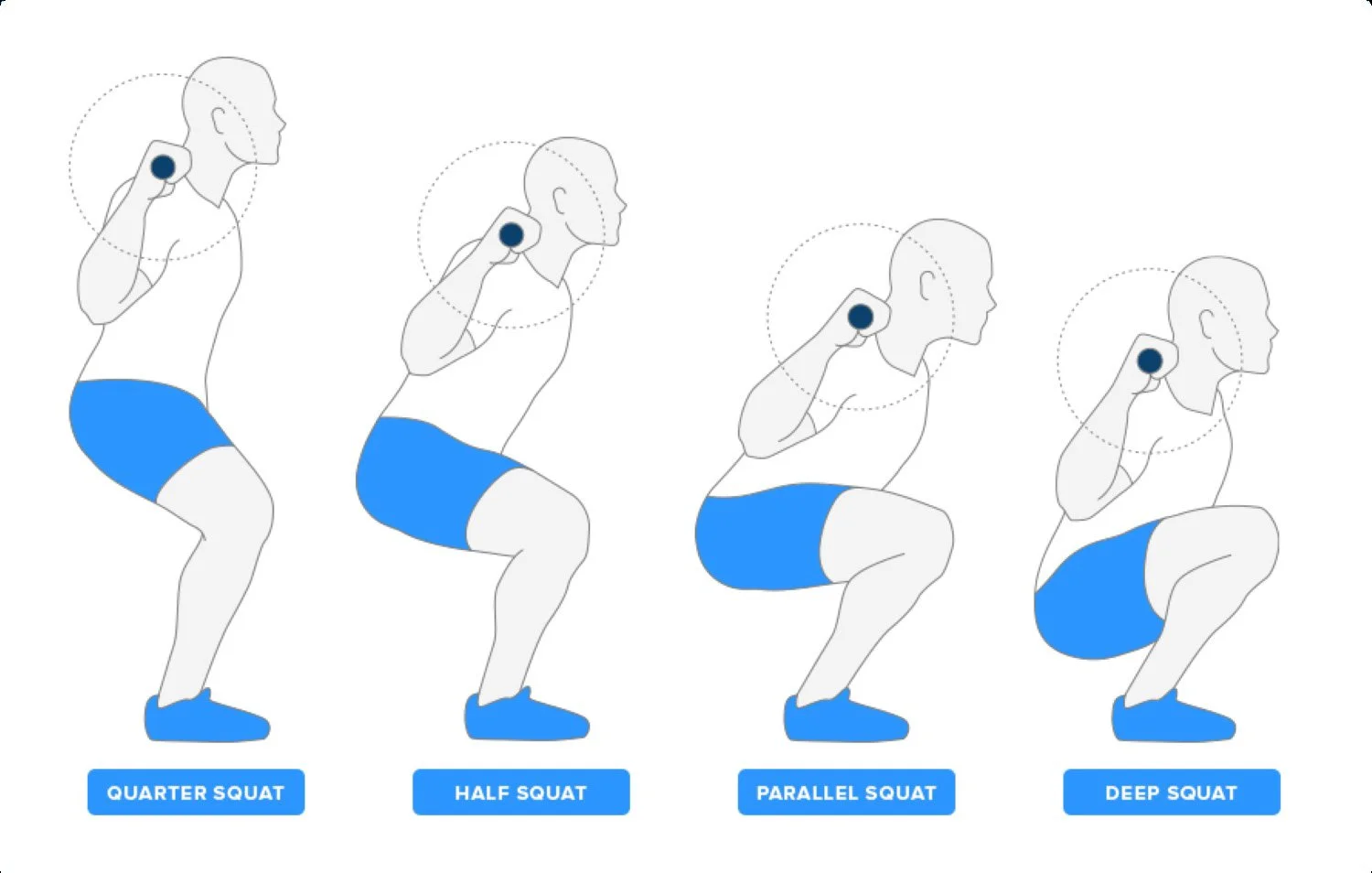
We Help Active Adults Keep Training
Knee pain from squats often affects:
Back squats
Front squats
Goblet squats
Lunges
Split squats
Box jumps
Running
Hiking
Daily movement confidence
We help active adults stay engaged in training whenever possible.
Advanced Options for Persistent Knee Pain
Some cases of knee pain improve with exercise-based rehab alone.
Persistent cases may also benefit from adjunctive tools, such as Shockwave Therapy (SWT) and High-Intensity Laser Therapy (HILT) when traditional care has not resolved symptoms, as part of a comprehensive rehab program.
At Tualatin Valley Physical Therapy, we offer:
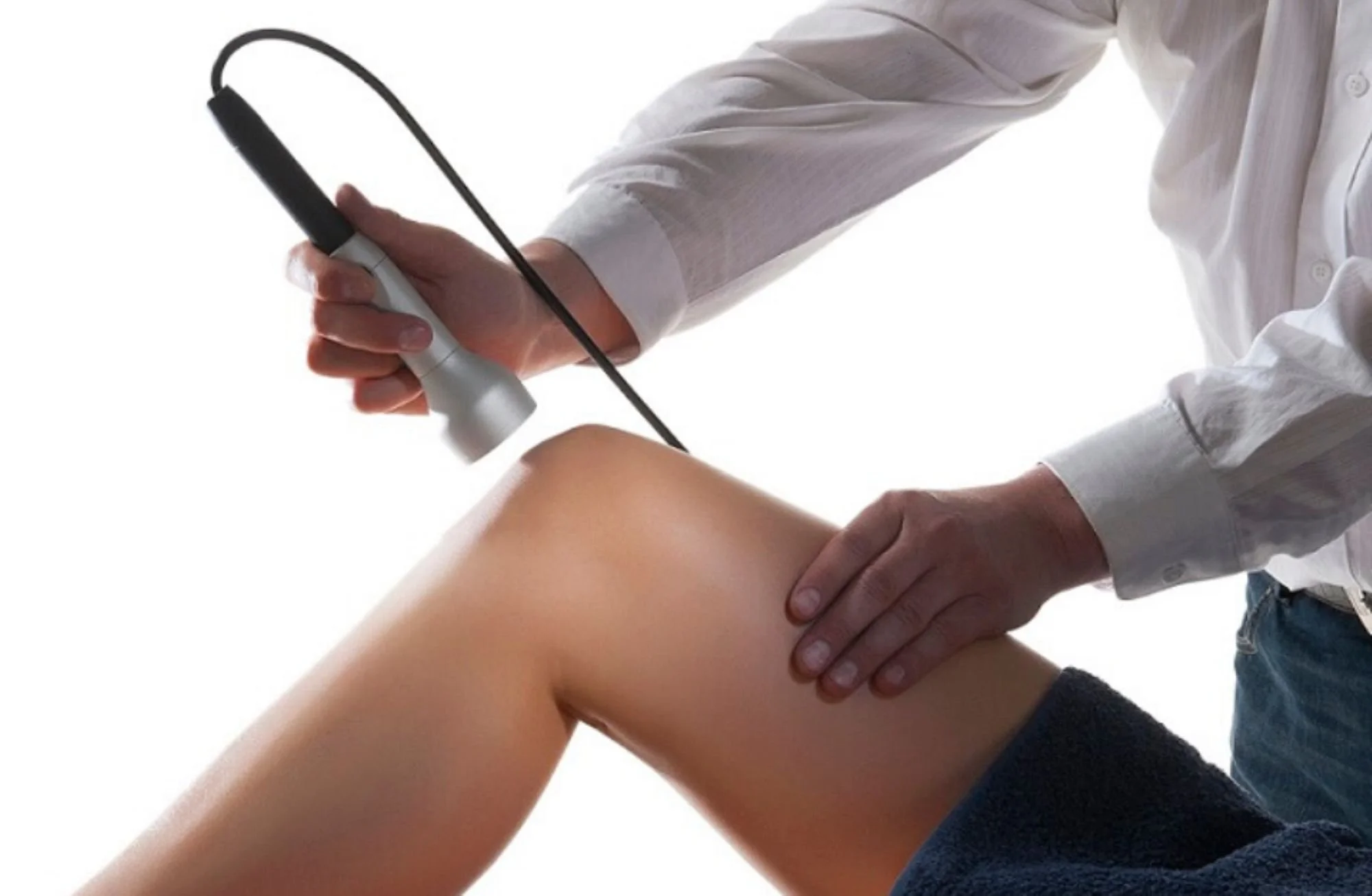
High-Intensity Laser Therapy
High-Intensity Laser Therapy uses light energy to stimulate cellular repair and reduce inflammation.
Studies show that laser therapy may help:
Reduce pain
Improve circulation
Accelerate tissue healing
Tolerate loading earlier
Learn more about Laser Therapy →
Compared with prolonged pain, repeated injections, imaging costs, or delayed recovery, ESWT and HILT are designed as focused interventions to accelerate tissue adaptation.
Recovery Expectations
✔ Load progression required
✔ Temporary discomfort is normal
✔ Capacity rebuilding is the goal
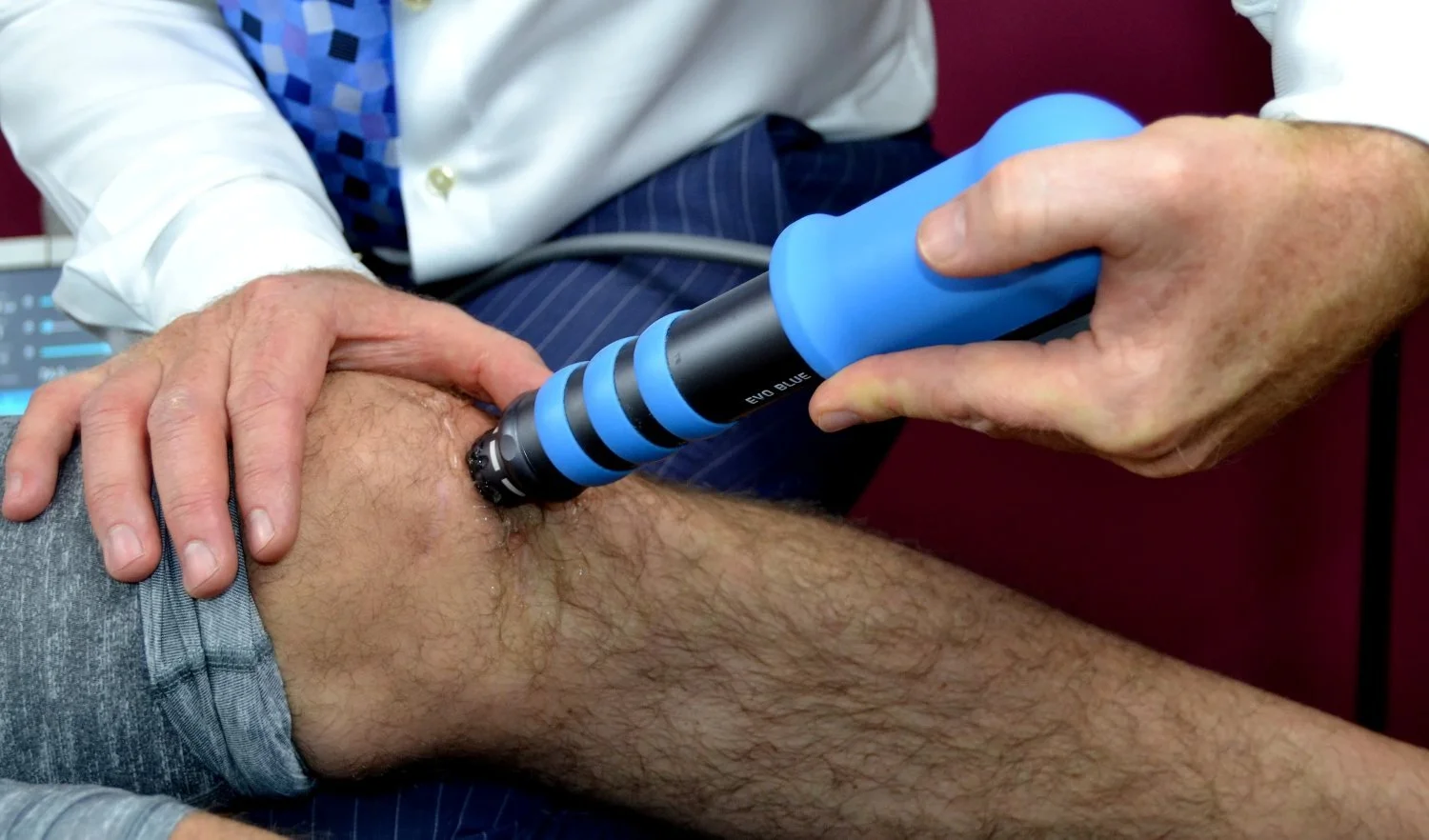
Shockwave Therapy
Shockwave Therapy uses acoustic pressure waves to stimulate healing in chronic muscle, tendon, and ligament injuries.
Research suggests shockwave therapy can help:
Increase blood flow
Stimulate collagen production
Restart stalled healing processes
Learn more about Shockwave Therapy →
Why Choose Tualatin Valley Physical Therapy?
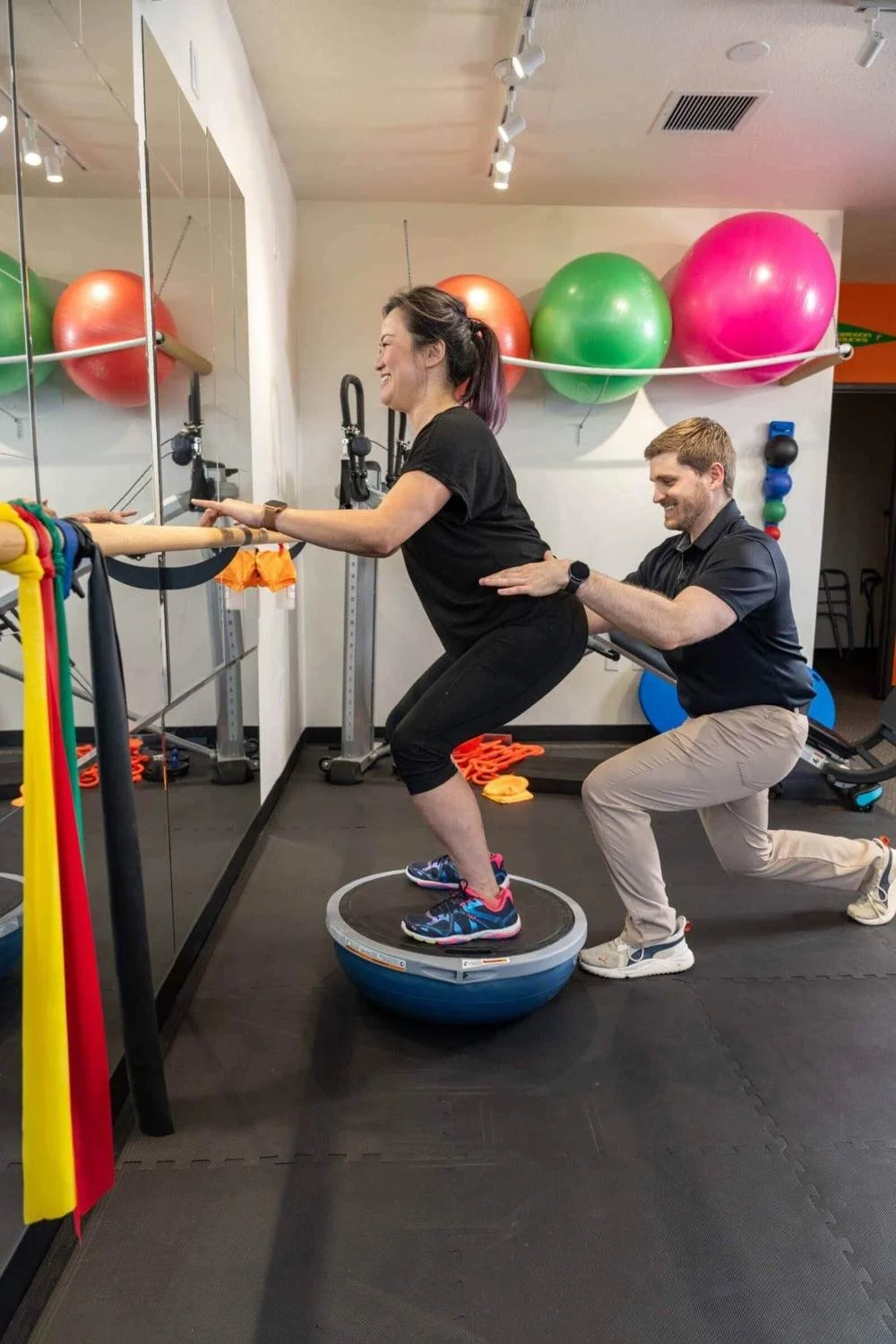
We understand active people want to recover and keep moving.
When To Get Help for Knee Pain From Squats
Consider physical therapy if:
Squats hurt regularly
Pain lingers after leg day
Knee sleeves are no longer enough
Training volume keeps triggering pain
Pain affects other lifts
You are avoiding lower-body training
Earlier treatment often means easier recovery.
Many clinics give gym-goers generic rehab.
What To Expect at Your First Visit
Your evaluation may include:
Training history review
Squat pattern assessment
Strength testing
Mobility testing
Load tolerance review
Recovery factors discussion
You leave with clarity and direction.
Knee Pain From Squats Treatment in Hillsboro, OR
If you are searching for:
Knee pain squats Hillsboro
Knees hurt when squatting
Front knee pain gym workouts
CrossFit knee pain Hillsboro
Physical therapy for squatting knee pain
Tualatin Valley Physical Therapy provides one-on-one personalized care designed to help you recover and train with confidence again.
Stop Letting Knee Pain Limit Your Training
You do not need to keep guessing or skipping leg day.
Get a clear plan and one-on-one care designed to help your knees improve.
Book your evaluation today.
Frequently Asked Questions About Squatting Knee Pain
-
No. Squats are often beneficial when loaded appropriately and matched to the individual.
-
Knee pain with squatting can come from several factors, including patellofemoral irritation, tendon overload, mobility restrictions, strength deficits, training-load spikes, or squat mechanics that do not match your current capacity.
-
Not always. Many people do best with temporary modifications to depth, load, stance, tempo, or exercise selection while rebuilding strength and tolerance. The goal is usually to find a version of squatting that your knee can currently tolerate and progress from there.
-
No. Knee pain during squats does not always mean something is damaged. Pain can be related to irritation, sensitivity, load tolerance, or movement strategy. A clinician can help determine whether symptoms are consistent with a serious injury or a modifiable training issue.
-
Sleeves may help with symptoms temporarily, but often do not address the root causes.
-
Yes. PT can improve strength, mobility, mechanics, and reduce pain.
-
Helpful exercises often include progressive quad strengthening, hip strengthening, calf work, mobility drills when needed, and modified squat patterns. The best exercises depend on your symptoms, strength, mobility, and activity goals.
-
Yes. Research has shown that shockwave therapy can appropriately rehabilitate knee function and reduce knee pain.
-
Yes. It has been found that high-intensity laser therapy (HILT) can be helpful for the reduction of pain and improvement of function in patients with knee pain.
-
Consider getting evaluated if knee pain lasts more than a few weeks, keeps returning with training, causes swelling, limits stairs or daily activity, or prevents you from lifting comfortably. Seek urgent medical evaluation if you cannot bear weight, have major swelling after injury, or the knee is truly locked.
Stop Waiting. Start Recovering.
No referrals. No insurance delays. No techs or aides.
Just one-on-one care with a Doctor of Physical Therapy.
Whether you’re dealing with back pain, a sports injury, an auto accident, or a work injury, we make it simple to get started. Same-day appointments available.
Serving Hillsboro, Cornelius, Forest Grove, Aloha, and the greater Tualatin Valley.
Call us today at (971) 238-5755, or click the button below to schedule your initial evaluation online.
Unsure if self-pay physical therapy is for you? Schedule a free 15-minute consultation using the same button!
Our friendly team is ready to guide you on your path to recovery and lasting wellness.
Auto (PIP) Accepted
〰️
Workers' Compensation Accepted
〰️
Out-of-Network Reimbursement Available
〰️
Auto (PIP) Accepted 〰️ Workers' Compensation Accepted 〰️ Out-of-Network Reimbursement Available 〰️
Transparent pricing. Clear plan. No surprise bills.
Experience the TVPT Difference.