
Learn How High-Intensity Laser Therapy Complements PT
Pain from injuries or chronic conditions can make it difficult to stay active, train consistently, or simply move comfortably throughout the day. Whether the issue involves a tendon injury, muscle strain, joint irritation, or nerve-related pain, many people want treatment options that help them recover faster without relying solely on medications or invasive procedures.
One treatment that has gained increasing attention in orthopedic rehabilitation is high-intensity laser therapy (HILT), also known as Class IV laser therapy. This technology uses specific wavelengths of light to stimulate cellular activity, reduce inflammation, and promote tissue healing.
High-intensity laser therapy has become a valuable tool in sports medicine and physical therapy because it can help patients reduce pain, improve mobility, and support recovery from a variety of musculoskeletal conditions.
This article explains how high-intensity laser therapy works, what conditions it may help treat, and why it is often combined with physical therapy to support long-term recovery.
What Is High-Intensity Laser Therapy?
High-intensity laser therapyuses concentrated light energy to stimulate biological processes within injured tissues. Unlike surgical lasers that cut or cauterize tissue, therapeutic lasers deliver light energy that penetrates the skin and interacts with cells.
This process is known as photobiomodulation (PBM).
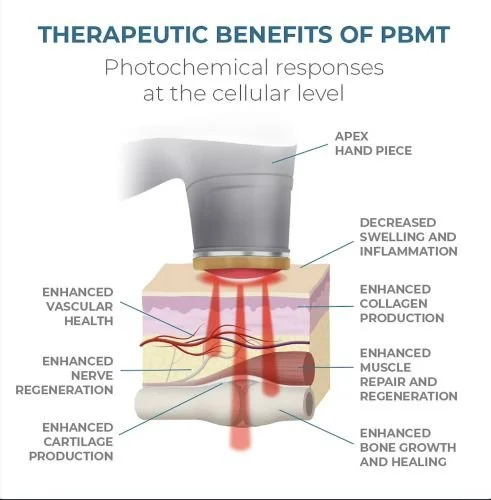
When laser light enters tissue, it stimulates cellular structures called mitochondria, which produce cellular energy in the form of ATP (adenosine triphosphate).
Increased ATP production helps cells perform their normal functions more efficiently, including tissue repair and regeneration.
High-intensity lasers can deliver deeper penetration and higher energy levels than low-level laser devices, allowing them to reach muscles, tendons, ligaments, and joints more effectively.
How High-Intensity Laser Therapy Works
High-intensity laser therapy influences several biological processes that contribute to healing and pain reduction.
Increased Cellular Energy Production
The primary effect of laser therapy is increased mitochondrial activity, which leads to greater ATP production. This increase in cellular energy helps accelerate tissue repair and supports the body's natural healing processes.
Improved Blood Flow
Laser therapy promotes vasodilation, or widening of blood vessels. This increases circulation to injured tissues, delivering oxygen and nutrients that support healing.
Improved circulation also helps remove metabolic waste products from injured areas.
Reduced Inflammation
Inflammation is a normal part of tissue healing, but persistent inflammation can contribute to chronic pain and delayed recovery. Laser therapy may help regulate inflammatory processes, reducing swelling and tissue irritation.
Pain Modulation
Laser therapy can influence pain signals within the nervous system. It may reduce pain sensitivity and stimulate the release of natural pain-modulating chemicals in the body.
Many patients report noticeable pain relief after treatment.
Conditions That May Benefit From HILT
High-intensity laser therapy is commonly used to help treat a variety of orthopedic and sports injuries.
Common conditions include:
Tendon injuries such asAchilles tendinopathy or patellar tendinopathy (runner’s knee)
Muscle strains
Ligament sprains
Joint inflammation
Bursitis
Athletes frequently use laser therapy as part of rehabilitation programs to support recovery from overuse injuries and training-related pain.
High-Intensity Laser Therapy in Sports Medicine
In sports medicinesettings, high-intensity laser therapy is often used alongside exercise therapy and manual treatment techniques.
For active individuals, the goal is not simply to reduce pain but also to restore normal movement and prevent injuries from returning.
Laser therapy may help reduce pain and inflammation, which allows patients to participate more comfortably in rehabilitation exercises designed to rebuild strength and mobility.
For runners, strength athletes, and martial artists, this can help support a faster return to training and activity.
What to Expect During a Laser Therapy Session
High-intensity laser therapy treatments are typically quick and comfortable.
During the session, the clinician applies the laser device to the injured area and moves it slowly across the skin. Protective eyewear is worn to ensure safety.
Most treatments take 5 to 15 minutes, depending on the size of the treatment area.
Patients often feel a gentle warming sensation during the treatment as light energy penetrates the tissue.
Because laser therapy is noninvasive, no recovery time is required after treatment.
Is High-Intensity Laser Therapy Safe?
When performed by trained healthcare professionals, high-intensity laser therapy is considered safe.
Clinicians adjust treatment parameters based on the condition being treated and the depth of tissue involvement.
Contraindications and safety guidelines are carefully followed to ensure appropriate use.
As with any treatment, laser therapy is used as part of a comprehensive rehabilitation program, rather than as a standalone solution.
Why Laser Therapy Works Best With Physical Therapy
While high-intensity laser therapy can help reduce pain and inflammation, long-term recovery requires addressing the underlying cause of the problem.
Physical therapy focuses on restoring:
Strength
Mobility
Stability
Movement mechanics
Combining laser therapy with targeted exercises and manual therapy helps patients not only feel better but also move better and reduce the risk of reinjury.
For many orthopedic conditions, this integrated approach provides the most sustainable results.
Who May Benefit From Laser Therapy?
High-intensity laser therapy may benefit individuals who:
Are dealing with persistent musculoskeletal pain
Want to support recovery from sports injuries
Are experiencing tendon or ligament irritation
Want non-invasive treatment options
It can be especially helpful for active individuals who want to stay engaged in their training while managing pain and healing injuries.
Not a Standalone Treatment
High-intensity laser therapy is an increasingly popular tool in orthopedic rehabilitation and sports medicine. By stimulating cellular energy production, improving circulation, and helping regulate inflammation, it may support the body's natural healing processes and reduce pain.
When combined with targeted physical therapy, laser therapy can help patients recover from injuries, improve movement, and return to the activities they enjoy.
For runners, athletes, and active adults, this approach provides a science-based way to support healing while continuing to build strength and resilience.
HILT Frequently Asked Questions
-
High-intensity laser therapy (HILT), also called Class IV laser therapy, is a non-invasive treatment that uses light energy to support pain modulation and tissue recovery signaling by stimulating cellular activity.
HILT is typically integrated with structured rehabilitation to improve tolerance to movement and long-term outcomes.
-
Laser therapy is commonly used for musculoskeletal conditions such as:
Tendon injuries
Plantar fasciitis
Muscle strains
Ligament sprains
Joint inflammation
Neck and back pain
Nerve irritation/pain sensitivity
It is frequently used in sports medicine and orthopedic rehabilitation alongside structed exercises.
-
No. While laser therapy can help reduce pain and inflammation, exercise and movement therapy address the underlying causes of injury and help prevent recurrence. Progressive rehabilitation is the foundation for long-term strength, capacity, and resilience.
-
Most sessions are comfortable. Many people feel gentle warmth, but significant discomfort is uncommon. Session length varies by area and clinical plan, but are typically 5 to 10 minutes.
-
The number of sessions depends on your condition, irritability level, goals, and response to treatment. We build the plan based on your evaluation and objective progression rather than a one-size-fits-all number.
