


Golfer’s Elbow Physical Therapy Treatment in Hillsboro, OR
Physical Therapy for Medial Epicondylitis That Helps You Actually Recover
Inner Elbow Pain Making Pulling, Gripping, or Training Difficult?
Golfer’s elbow can make pull-ups, lifting, carrying groceries, shaking hands, gripping tools, and everyday tasks surprisingly painful. At Tualatin Valley Physical Therapy, we provide one-on-one treatment to reduce pain, rebuild strength, and help you get back to activity with confidence.
What Is Golfer’s Elbow?
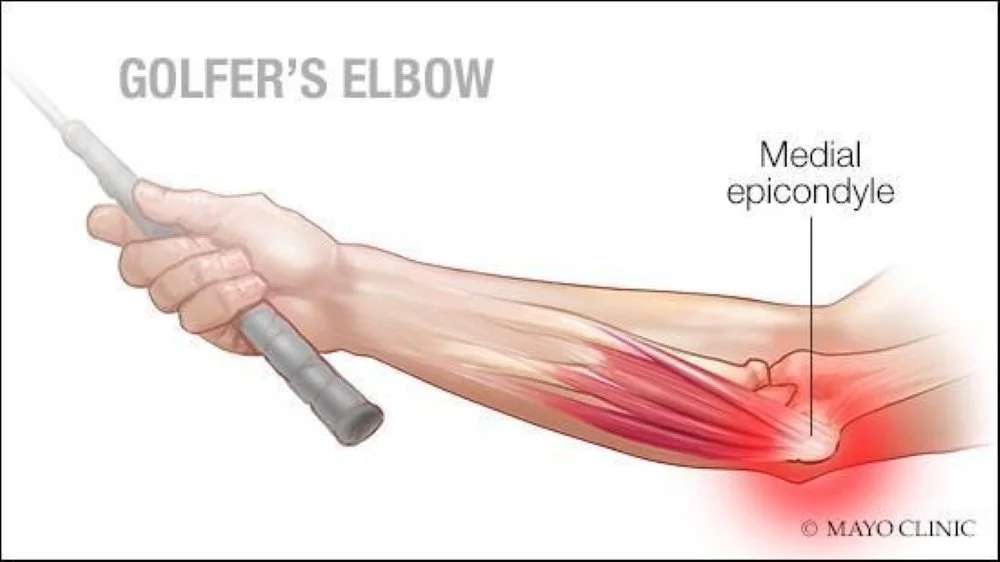
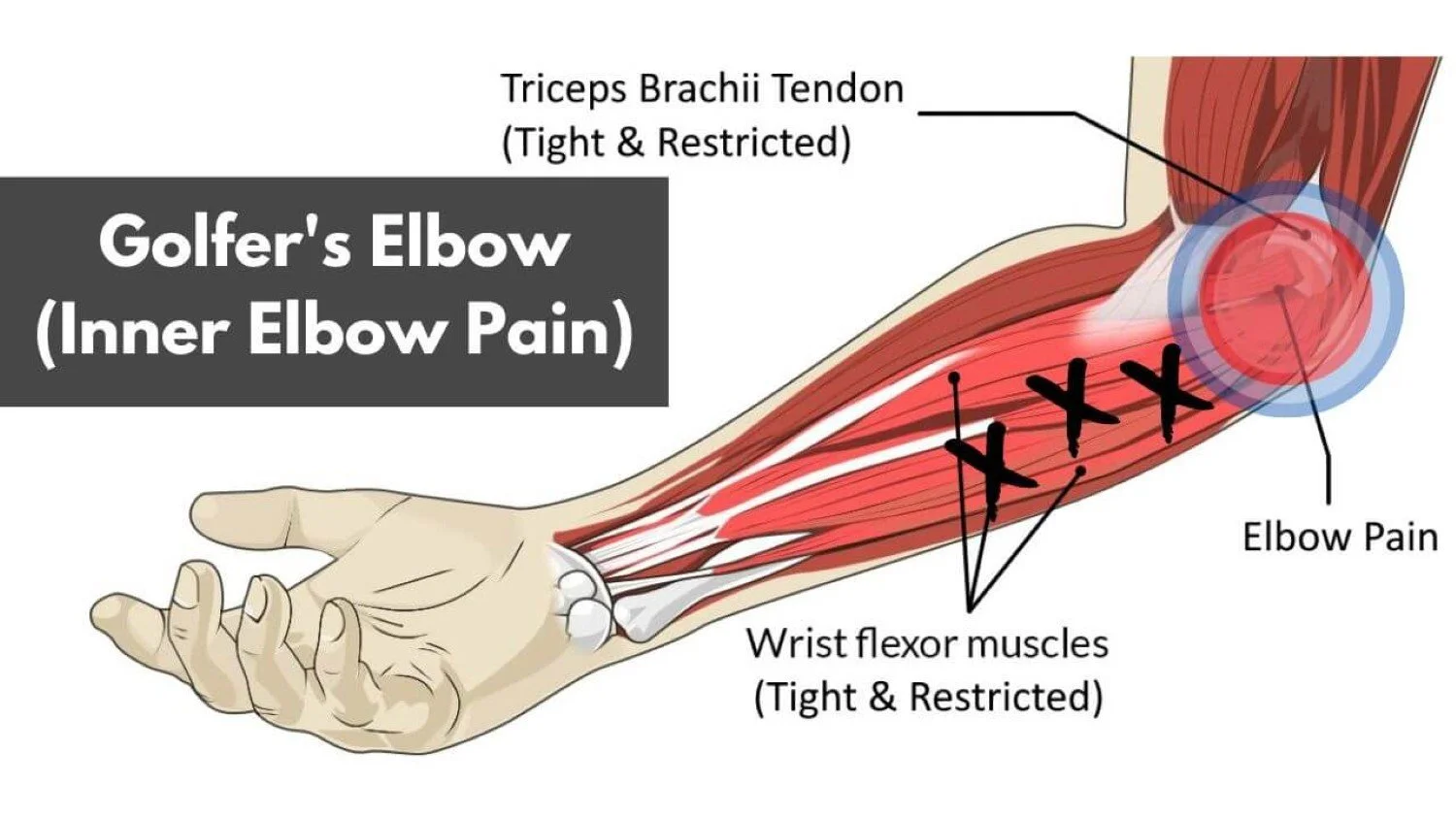
Golfer’s elbow, also called medial epicondylitis or medial elbow tendinopathy, is an orthopedic condition classified by irritation of the tendons on the inside of the elbow.
Despite the name, many people who develop golfer’s elbow have never played golf.
It is commonly caused by repetitive gripping, pulling, curling, climbing, throwing, lifting, tool use, keyboard work, or other activities that overload the forearm flexor tendons over time.
Common Medial Elbow Symptoms
Medial elbow tendinopathy often causes:
Pain on the inside of the elbow
Pain with gripping or carrying
Pain during pull-ups or rows
Pain with curls or pressing movements
Pain when shaking hands
Forearm tightness or soreness
Reduced grip strength
Pain with golf swings or throwing
Tenderness near the inner elbow
Symptoms that worsen after activity
Some cases begin gradually. Others seem to appear suddenly and linger.
Why Inner Elbow Pain Keeps Coming Back
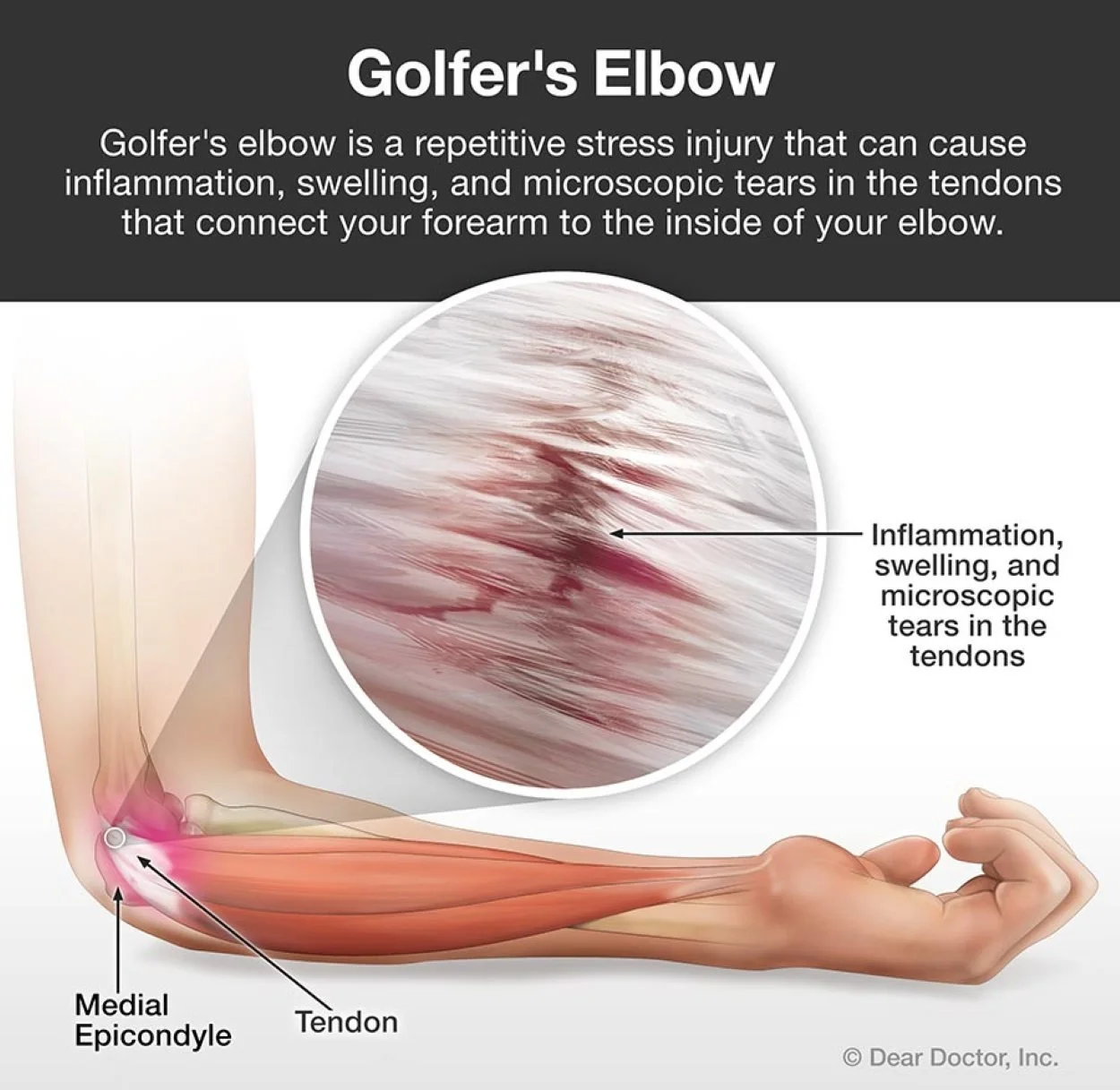
Many people try to solve inner elbow pain with:
Ice
Compression sleeves
Massage tools
Anti-inflammatory medication
Random internet exercises
These may help temporarily, but symptoms often return because the tendon has not rebuilt tolerance to load.
Who Gets Medial Epicondylitis?
Medial epicondylitis is common in:
Golfers
Climbers
Baseball/throwing athletes
Desk workers
Mechanics and tradespeople
Parents lifting children
Anyone doing repetitive gripping or pulling
You do not need to golf to get golfer’s elbow.
What Medial Elbow Tendinopathy Needs
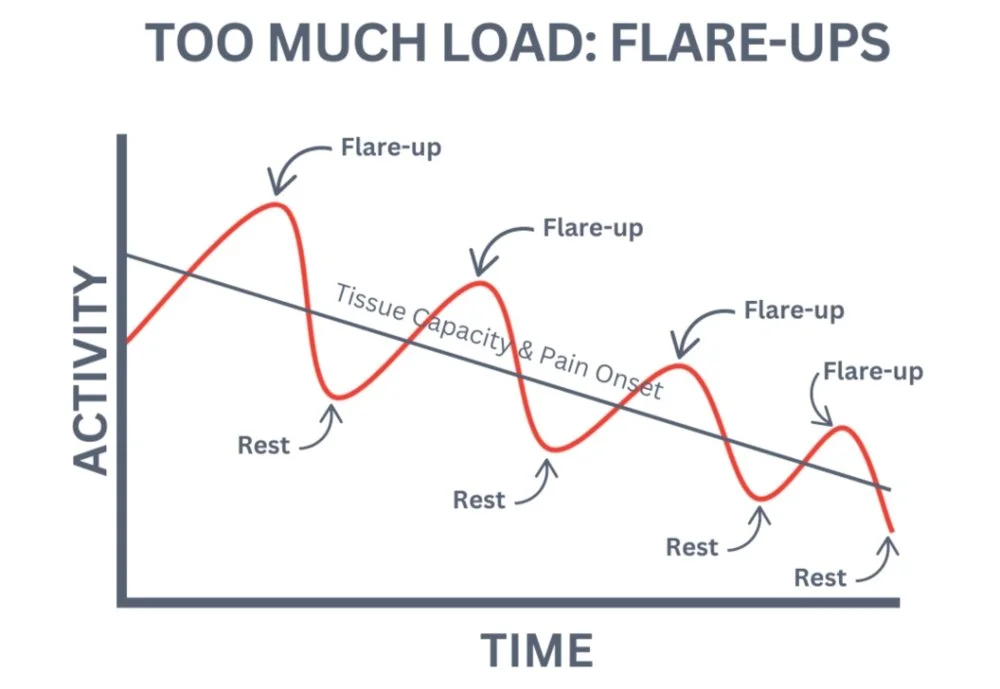
Persistent medial elbow tendinopathy is often less about “inflammation” and more about a tendon that needs smarter progressive rehab.
That may include:
Load management
Forearm flexor strengthening
Grip progression
Shoulder/scapular support
Pulling mechanics review
Sport or gym modification
Return-to-activity planning
Tendons rarely recover fully with passive treatments.
How Physical Therapy Helps Inner Elbow Tendinopathy
PT Focuses on More Than Just Pain Relief
At Tualatin Valley Physical Therapy, treatment may include:
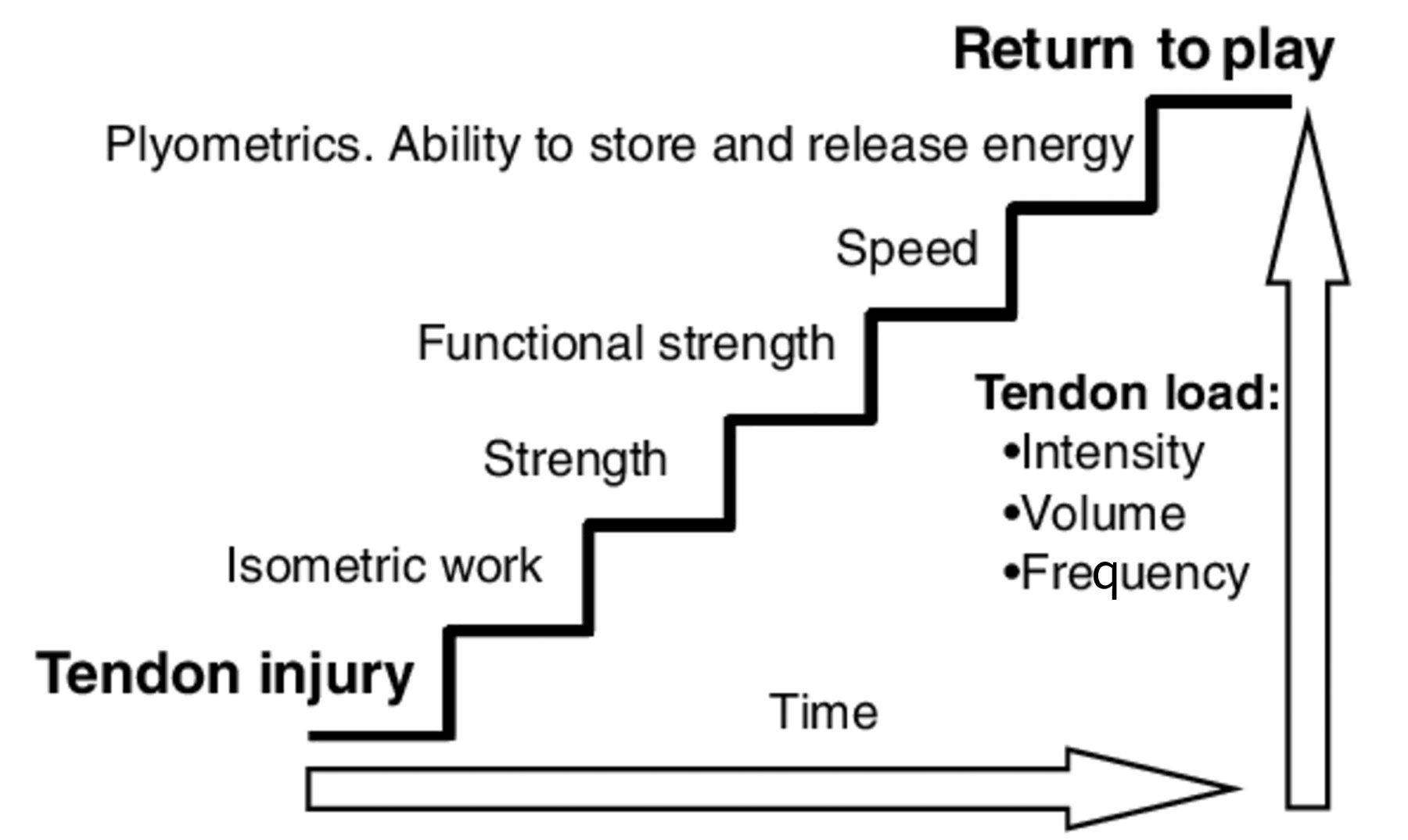
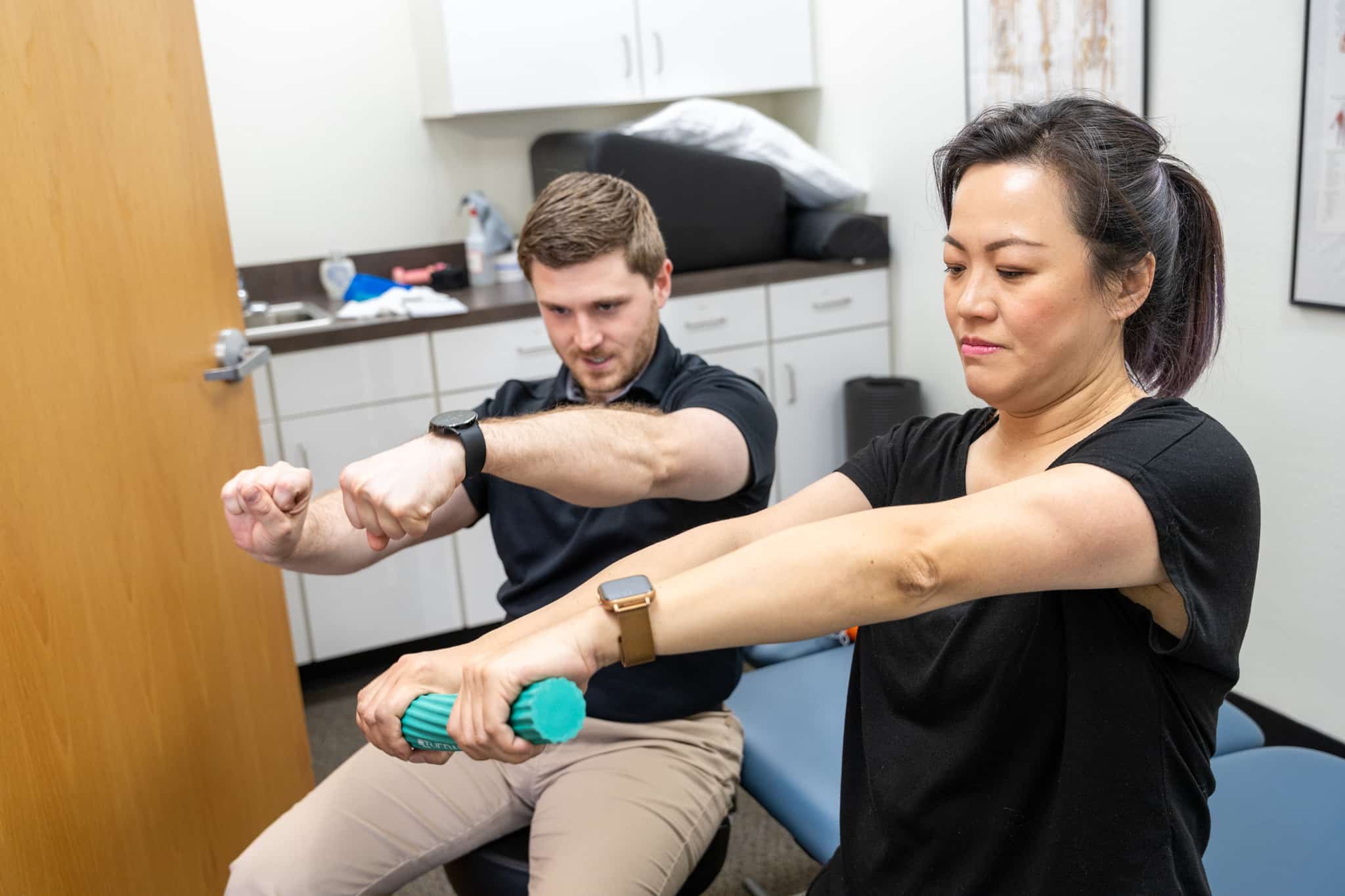
Progressive tendon loading exercises
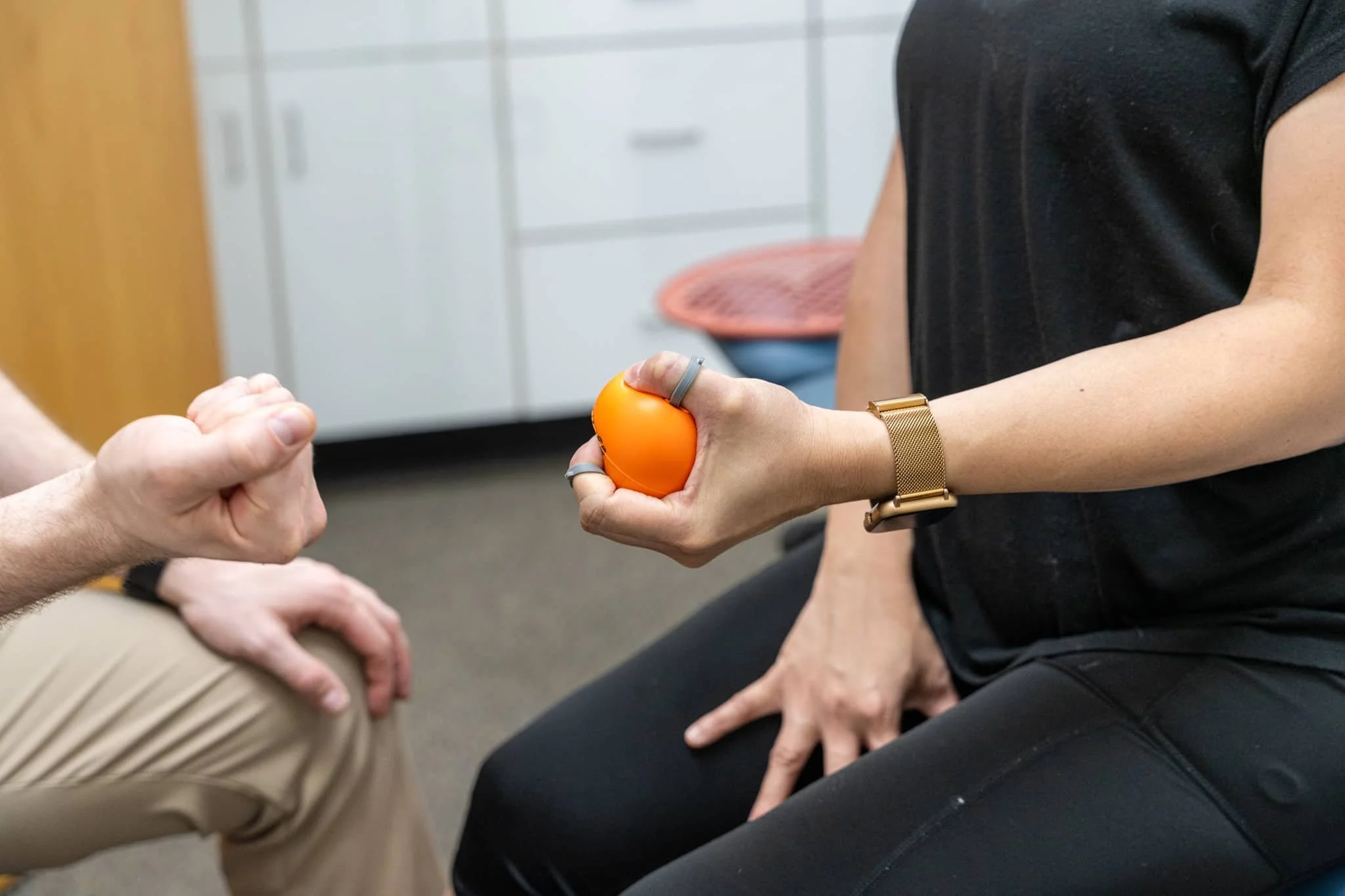
Grip strengthening
Wrist flexor/pronator rehab
Manual therapy when appropriate
Mobility work for the wrist, elbow, and shoulder
Pulling and lifting modification guidance
Throwing or golf movement support
Ergonomic guidance
Education on why symptoms persist
Clear return-to-sport progression
The goal is not just temporary pain relief.
The goal is to help the elbow become stronger and more resilient to prevent future injuries.
Advanced Options for Persistent Elbow Tendinopathy
Some cases of elbow tendinopathy improve with exercise-based physical therapy alone.
For more stubborn or chronic cases, advanced regenerative modalities may also be considered as part of a broader treatment plan.
Depending on the presentation, treatment may include:
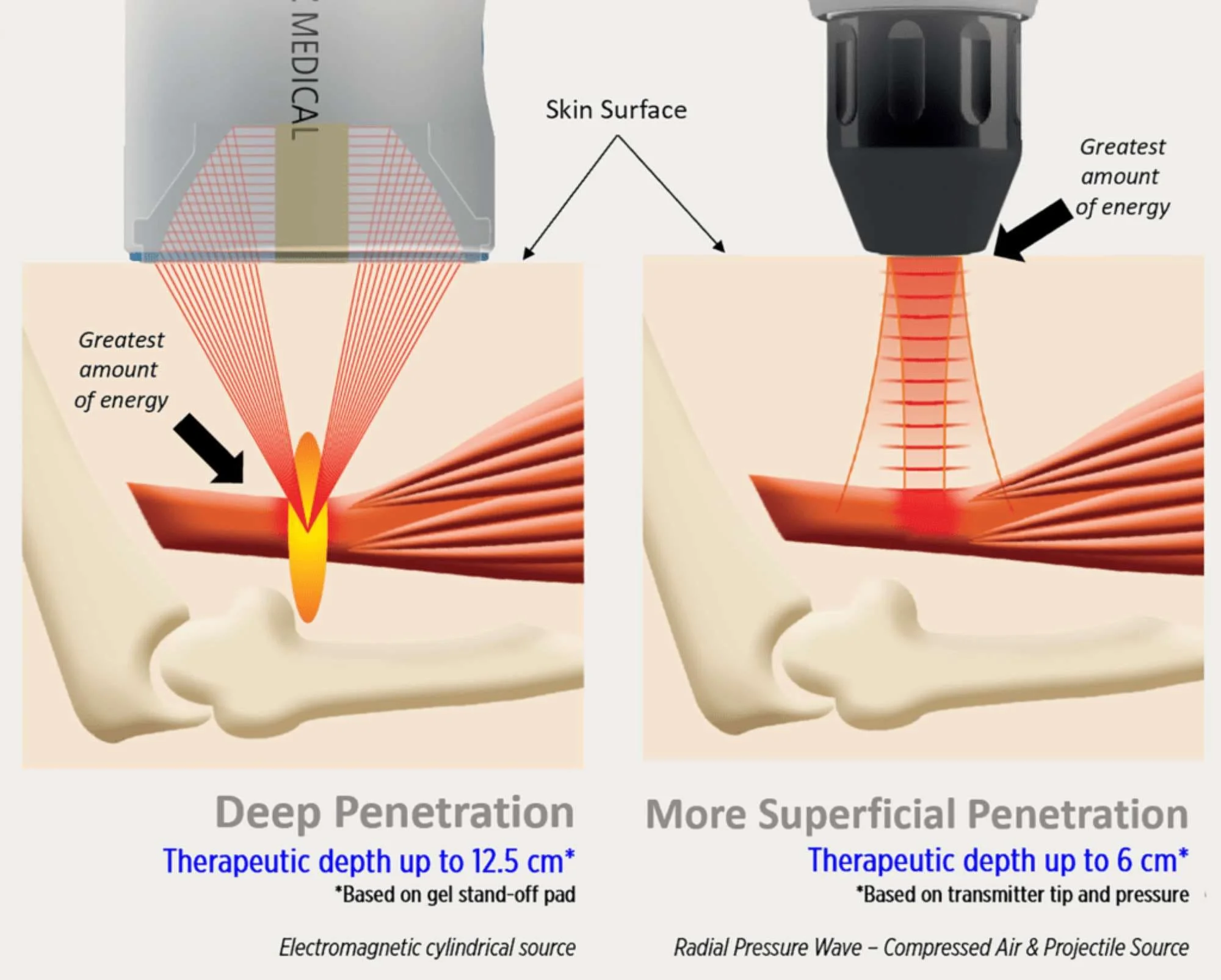
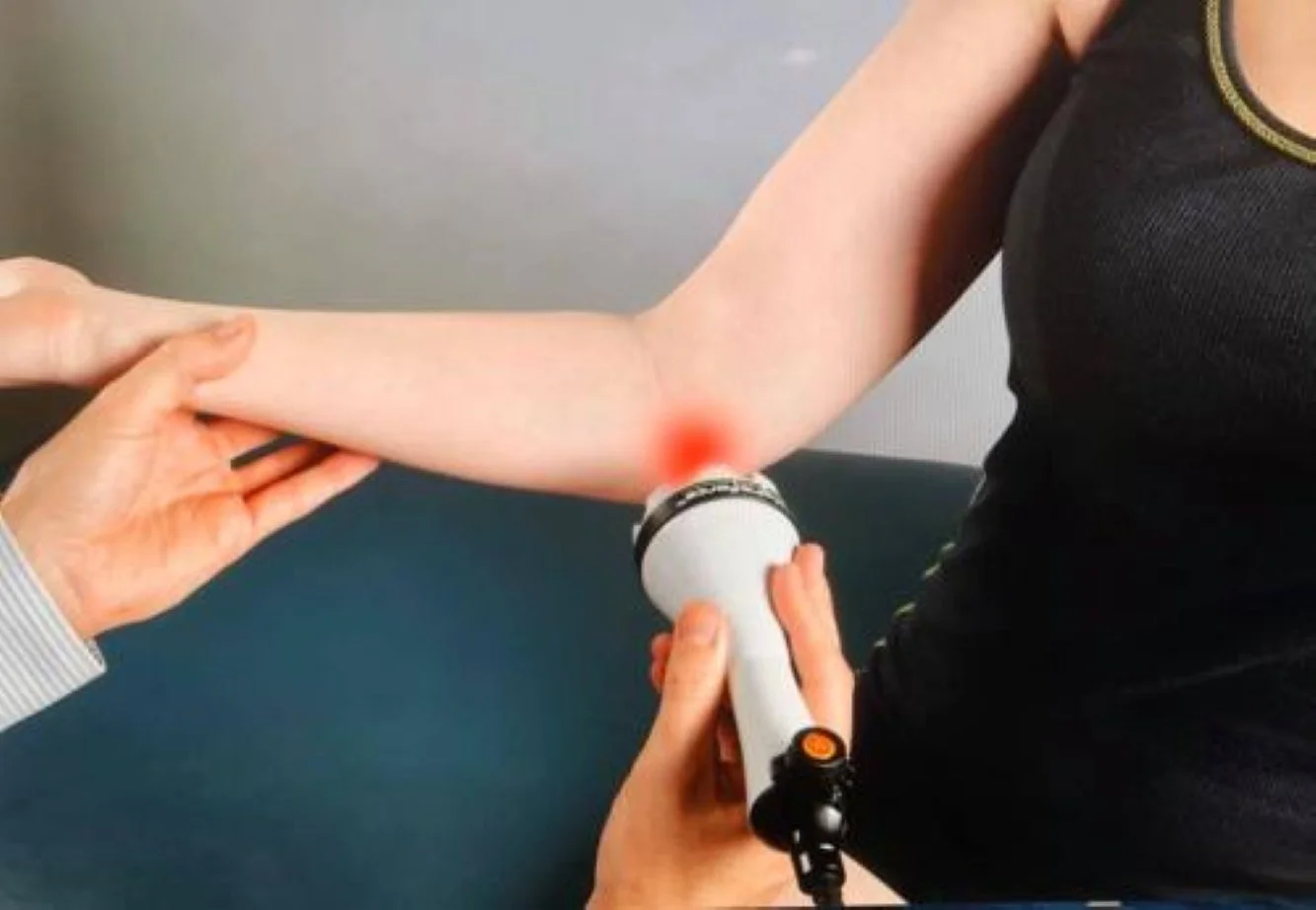
Shockwave Therapy (ESWT) for persistent tendon pain
High-Intensity Laser Therapy (HILT) to support pain relief and tissue recovery
Progressive loading strategies to restore tendon capacity
These are not magic shortcuts, but in the right case, they can be useful tools when combined with good rehab.
Why Choose Tualatin Valley Physical Therapy?
At many clinics, treatment for elbow pain can feel rushed and generic.
You may receive a few exercises, a handout, and limited one-on-one time.
At Tualatin Valley Physical Therapy, your care is different:
Clear explanations without fluff
Practical return-to-activity planning
Transparent pricing and rehab programs
If you are tired of recurring elbow pain, we can help you build a better long-term solution.
What To Expect at Your First Visit
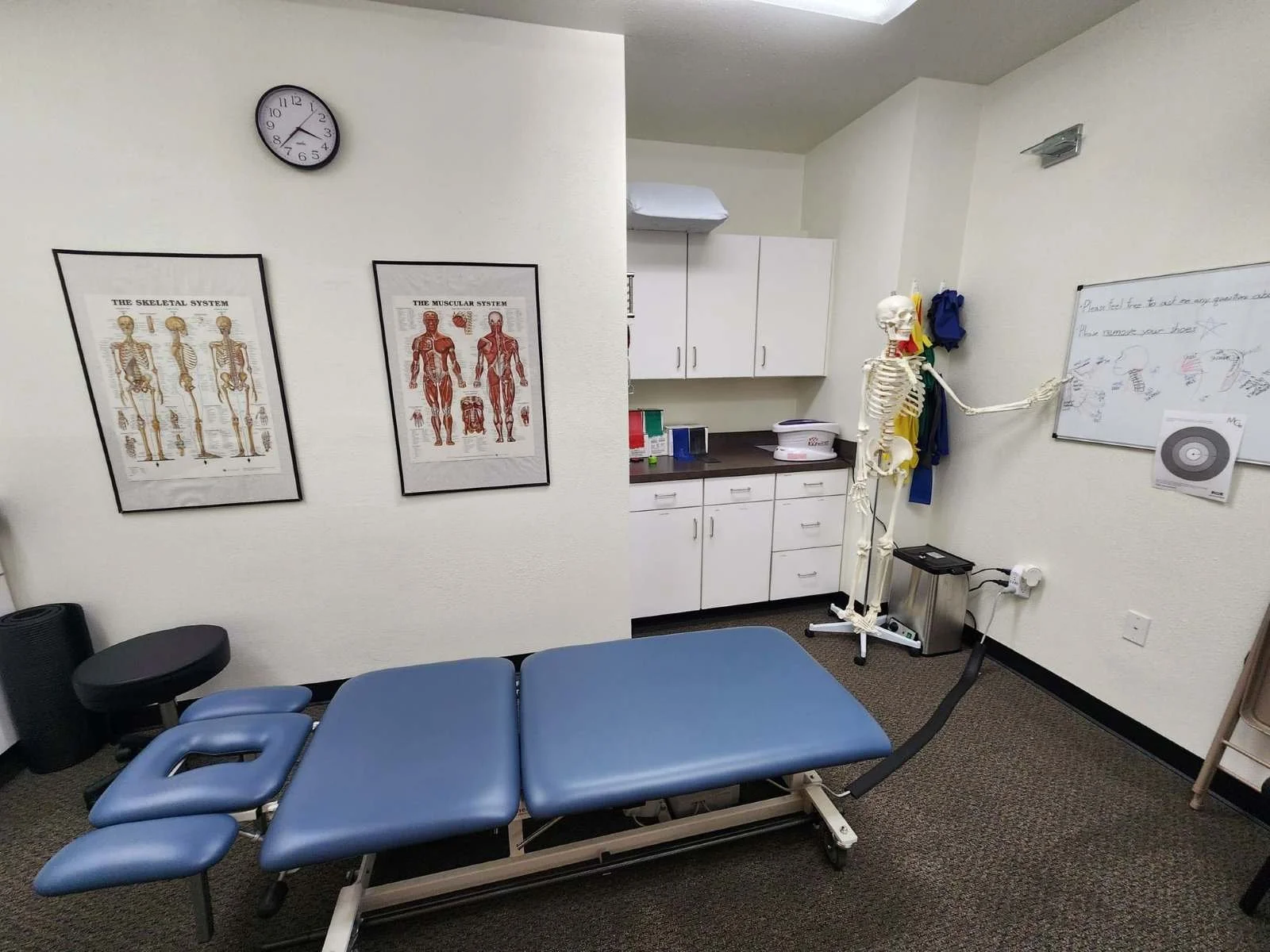
Your evaluation may include:
Symptom and training history
Grip strength testing
Elbow, wrist, and shoulder movement testing
Tendon loading tolerance assessment
Pulling/lifting history review
Work and sport demand analysis
Personalized treatment plan
You leave knowing what is going on and what to do next.
When To Get Help for Medial Elbow Pain
You should consider physical therapy if:
Pain has lasted more than a couple of weeks
Gripping keeps aggravating it
Pull-ups or lifting hurt
Golf or sports are limited
Your work tasks are becoming harder
You are losing strength or confidence in using the arm
The longer tendon pain lingers, the more stubborn it can become. Early treatment often makes recovery easier.
Medial Epicondylitis Treatment for Active Adults in Hillsboro, OR
If you are looking for medial elbow tendinopathy treatment in Hillsboro, physical therapy for medial epicondylitis, or help with inner elbow pain from lifting, golf, climbing, work, or sports, Tualatin Valley Physical Therapy provides personalized one-on-one care designed to help you recover fully and return to activity with confidence.
Inner elbow pain can interfere with:
Pull-ups
Rows
Deadlifts
Biceps curls
Carrying groceries
Tool use
Golf swings
Throwing sports
Climbing
Jiu-jitsu grips
Parenting tasks
We help active adults in Hillsboro return to performance through treatment tailored to their real-life demands.
Stop Letting Inner Elbow Pain Limit Your Training, Work, or Daily Life
You do not need to keep guessing, resting, or avoiding the activities you enjoy.
Get a clear plan and one-on-one treatment designed to help your elbow improve.
Book your evaluation today.
Medial Epicondylitis Frequently Asked Questions
-
Medial epicondylitis, also known as golfer’s elbow or medial elbow tendinopathy, is pain involving the tendons on the inside of the elbow. It is commonly related to gripping, pulling, lifting, or forearm overuse.
-
Golfer’s elbow typically causes pain on the inside of the elbow. Symptoms may worsen with gripping, lifting, pulling, throwing, wrist flexion, or repetitive forearm use.
-
No. Golfer’s elbow can affect golfers, lifters, climbers, martial artists, manual workers, and anyone who repeatedly loads the wrist and forearm muscles through gripping or pulling activities.
-
Yes. Physical therapy can reduce pain, improve tendon capacity, restore grip strength, and guide return to sport, work, and training.
-
Not always. Many people do best with temporary activity modifications, grip changes, and progressive strengthening rather than complete rest. The right approach depends on symptom irritability and training demands.
-
Persistent golfer’s elbow often needs progressive tendon rehab, not just time off. Rest may calm symptoms temporarily, but may not rebuild capacity.
-
Recovery varies depending on how long symptoms have been present, how irritated the tendon is, and how consistently loading is progressed. Many cases improve over several weeks to a few months with an appropriate rehab plan.
-
Helpful exercises often include progressive wrist flexor and forearm strengthening, grip tolerance work, shoulder and upper extremity strengthening, and activity-specific loading progressions. The exact program should match your symptoms and goals.
-
In some chronic or stubborn cases, shockwave therapy may be helpful as part of a broader plan that also includes progressive loading and physical therapy.
-
High-intensity laser therapy may help reduce pain and support recovery in some cases when paired with progressive rehab.
-
Consider getting evaluated by a PT if inside elbow pain lasts more than a few weeks, keeps returning with gripping or lifting, limits work or training, or is associated with numbness, tingling, weakness, swelling, or major loss of motion.
Stop Waiting. Start Recovering.
No referrals. No insurance delays. No techs or aides.
Just one-on-one care with a Doctor of Physical Therapy.
Whether you’re dealing with back pain, a sports injury, an auto accident, or a work injury, we make it simple to get started. Same-day appointments available.
Serving Hillsboro, Cornelius, Forest Grove, Aloha, and the greater Tualatin Valley.
Call us today at (971) 238-5755, or click the button below to schedule your initial evaluation online.
Unsure if self-pay physical therapy is for you? Schedule a free 15-minute consultation using the same button!
Our friendly team is ready to guide you on your path to recovery and lasting wellness.
Auto (PIP) Accepted
〰️
Workers' Compensation Accepted
〰️
Out-of-Network Reimbursement Available
〰️
Auto (PIP) Accepted 〰️ Workers' Compensation Accepted 〰️ Out-of-Network Reimbursement Available 〰️
Transparent pricing. Clear plan. No surprise bills.
Experience the TVPT Difference.