


Thumb & Wrist Pain: De Quervain’s Treatment in Hillsboro, OR
Wrist and hand pain with lifting, gripping, texting, or daily tasks?
Let’s help your hand and wrist move better again.
De Quervain’s tenosynovitis can cause pain on the thumb side of the wrist, especially with activities such as lifting, gripping, texting, opening jars, carrying children, or repetitive hand use.
At Tualatin Valley Physical Therapy, we provide one-on-one care to reduce irritation, improve mobility, restore strength, and help you use your hand with more confidence.
Experience the TVPT Difference
✔ One-on-one with a Doctor of Physical Therapy
✔ Full private sessions
✔ No techs or aides
✔ Personalized hand, wrist, and thumb rehab
✔ Same-day appointments when available
Thumb and Wrist Pain Can Make Simple Tasks Surprisingly Difficult
What Is De Quervain’s Tenosynovitis?
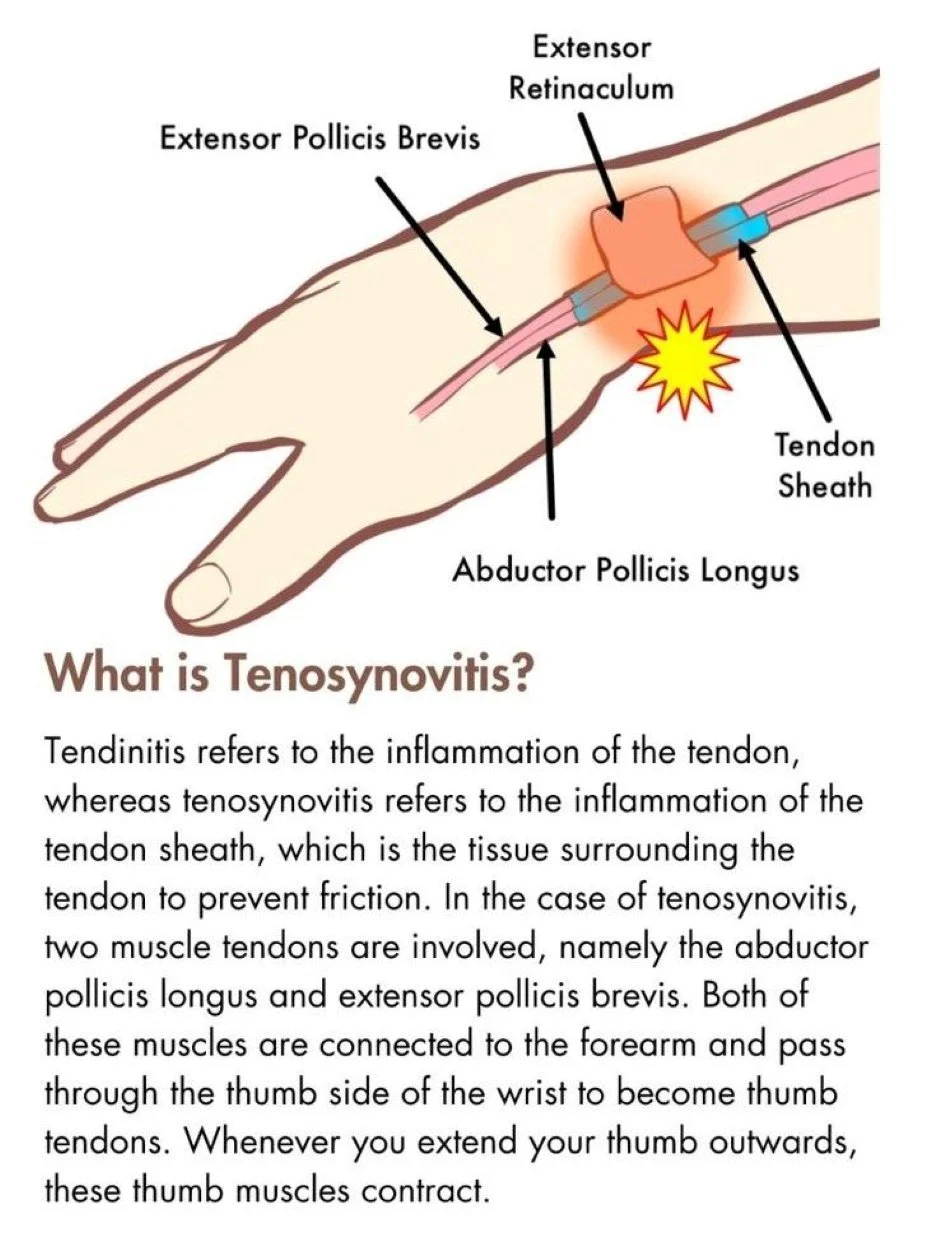
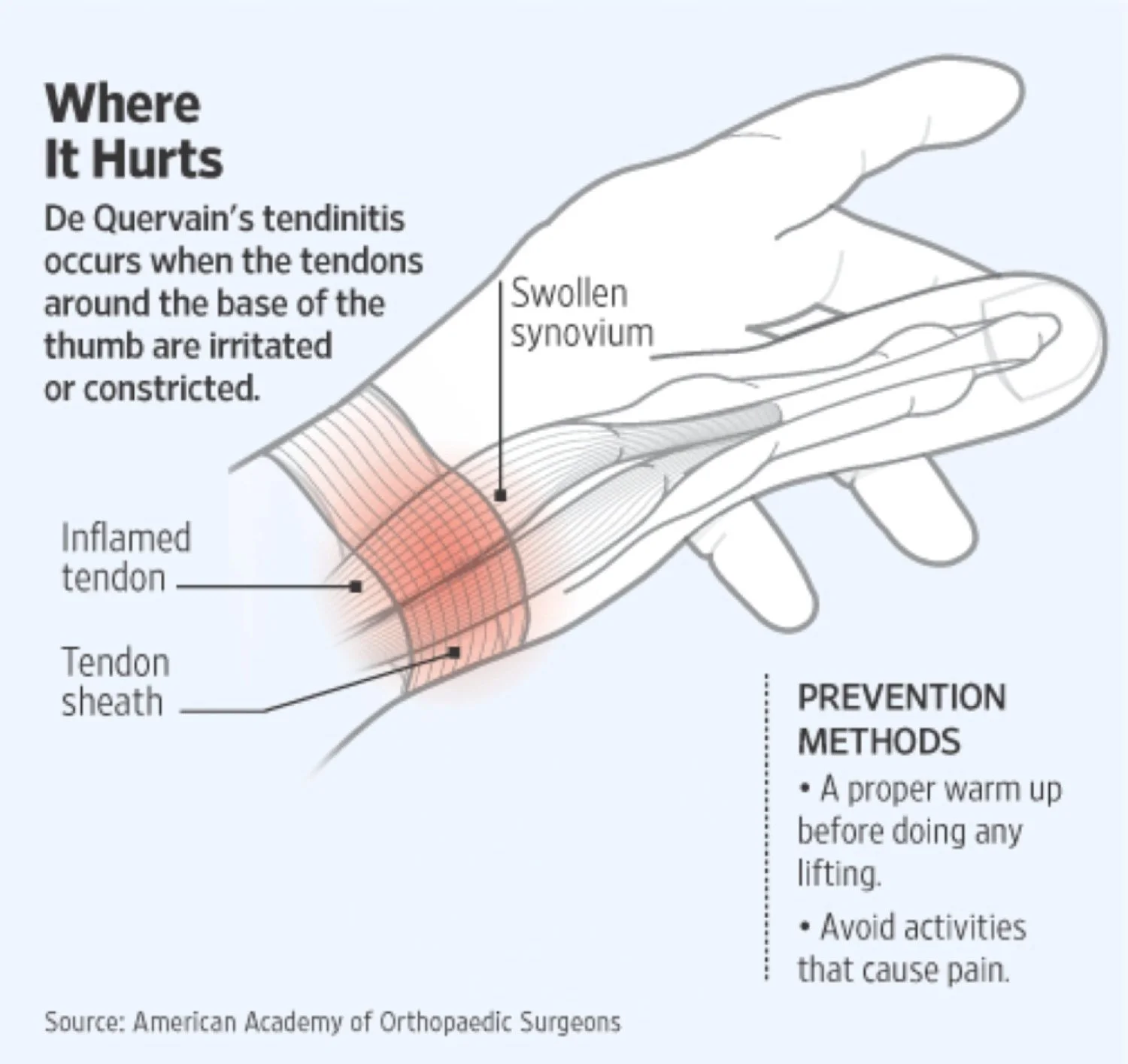
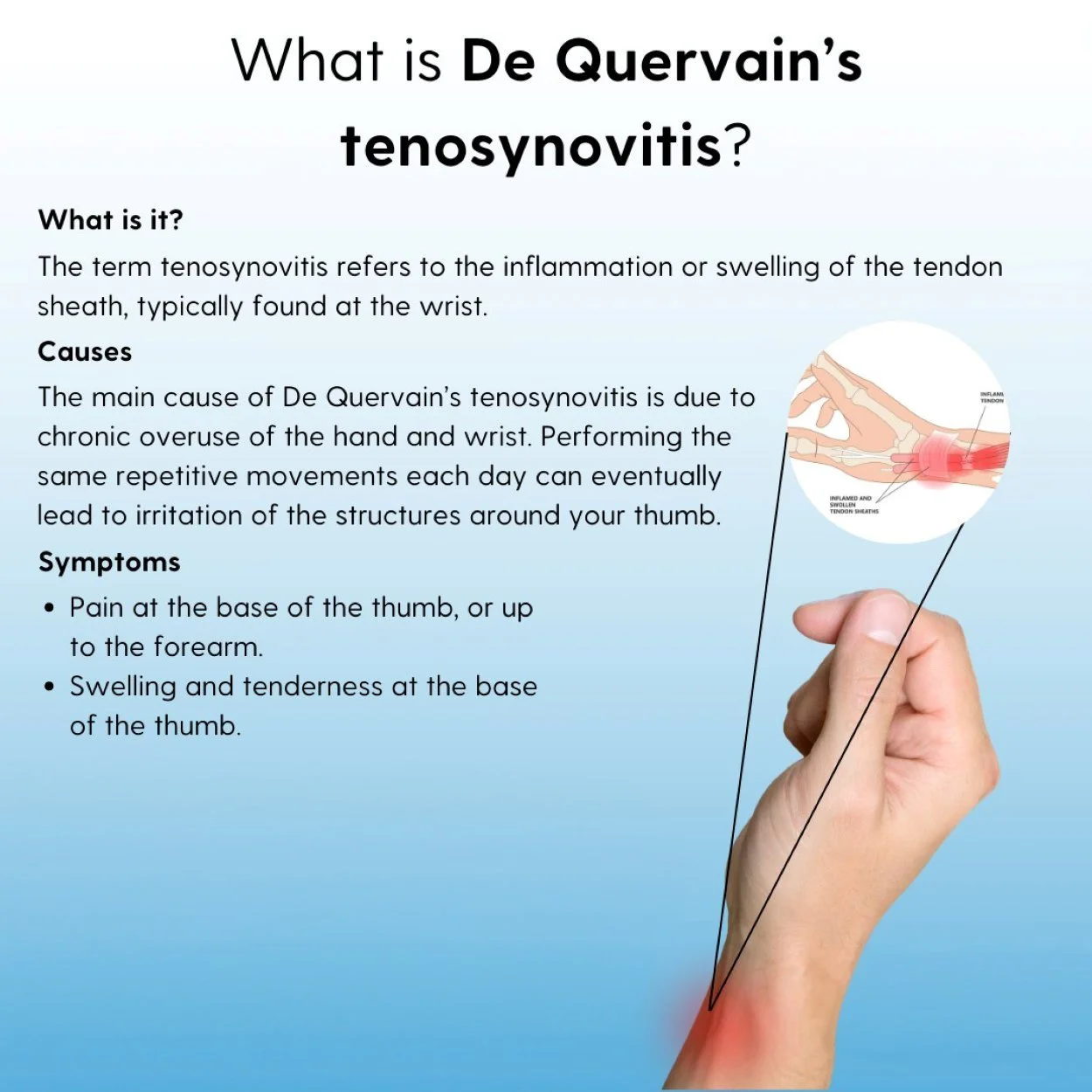
De Quervain’s tenosynovitis, also known as Mommy thumb, is a condition involving irritation of the tendons on the thumb side of the wrist.
These tendons help move and control the thumb. When they become irritated or sensitive, everyday tasks that involve gripping, pinching, lifting, or thumb movement can become painful.
Mommy thumb may affect:
Thumb movement
Wrist motion
Grip strength
Lifting tolerance
Daily hand function
It is common in parents, caregivers, desk workers, athletes, manual workers, and people who use their hands repetitively.
Common Symptoms of Mommy Thumb
De Quervain’s tenosynovitis may cause:
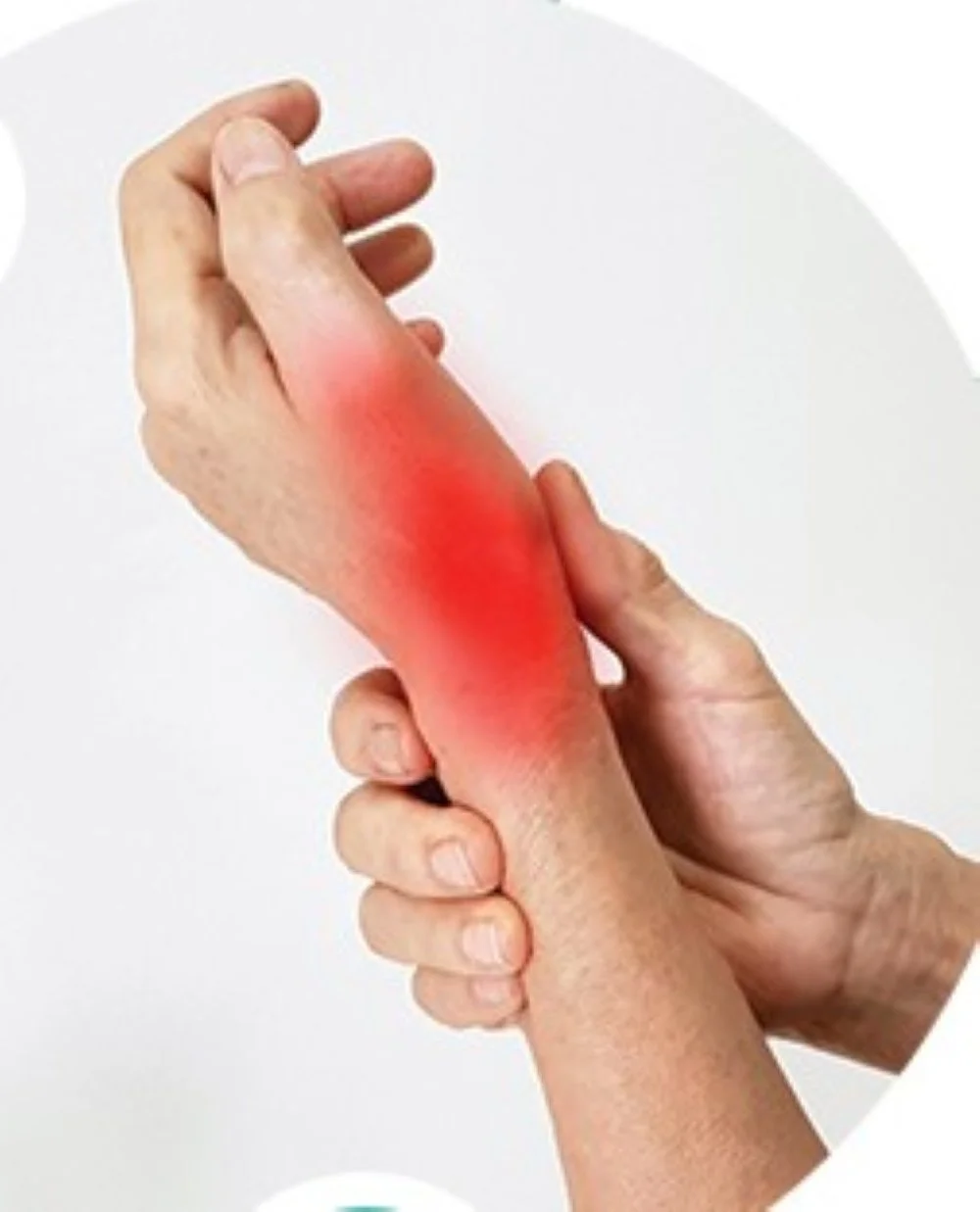
Pain on the thumb side of the wrist
Pain with gripping
Pain lifting objects
Pain carrying a baby or groceries
Pain opening jars
Pain with texting or phone use
Tenderness near the wrist and thumb
Swelling near the thumb-side wrist
Pain while moving the thumb
Pain while turning the wrist
Weakness or reduced grip confidence
Some people feel sharp thumb pain with specific movements. Others notice a more constant ache that worsens with repeated hand use.
What Causes Wrist and Thumb Pain?
Wrist and thumb pain often develops when the tendons of the thumb and wrist are subjected to excessive load or repetition.
Common contributing factors may include:
Repetitive gripping
Lifting with the thumb and wrist angled awkwardly
Carrying a baby or a car seat
Frequent phone use or texting
Tool use
Gardening
Racquet sports
Weightlifting
Manual labor
Wrist stiffness
Thumb weakness
Tendon irritation
Sudden increase in hand use
Sometimes symptoms develop gradually. Other times, they appear after a sudden increase in activity.
Who Commonly Gets De Quervain’s Tenosynovitis?
De Quervain’s can affect many types of people, including:
New parents
Caregivers
Desk workers
Healthcare workers
Lifters
Golfers
Tennis and pickleball players
Mechanics and tradespeople
Gardeners
Musicians
People who frequently text or use handheld devices
You do not need a specific job or activity to develop wrist and thumb pain.
Why Wrist and Thumb Pain Can Keep Coming Back
Many people try:
Ice
Braces
Avoiding painful tasks
Anti-inflammatory medication
Changing how they grip or lift
These may help temporarily.
But symptoms often return if the underlying workload, tendon irritation, strength deficits, mobility limitations, or gripping mechanics are not addressed.
The goal is not just temporary pain relief.
The goal is to help the thumb and wrist tolerate daily life again.
How Physical Therapy Helps De Quervain’s Tenosynovitis
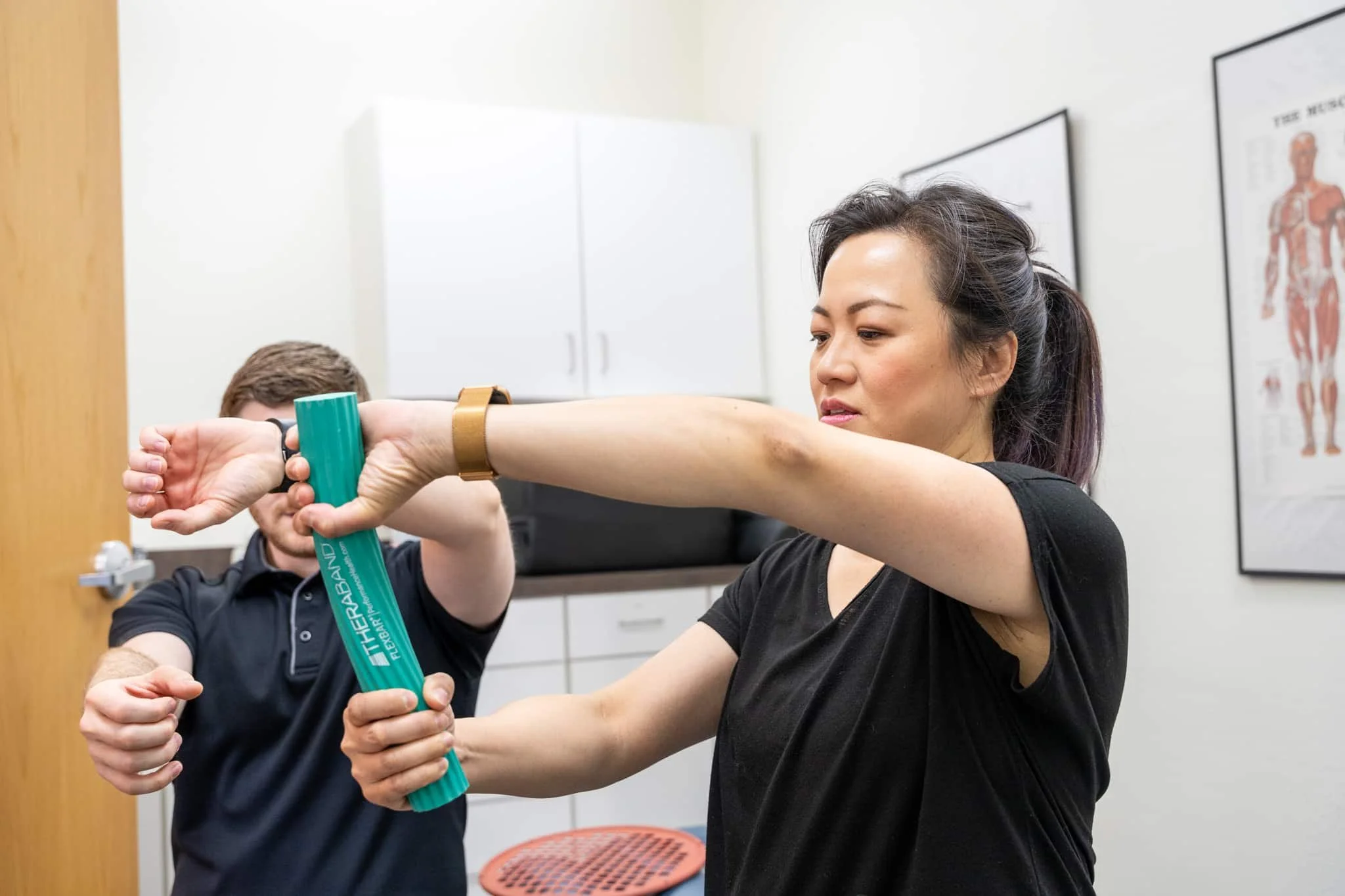
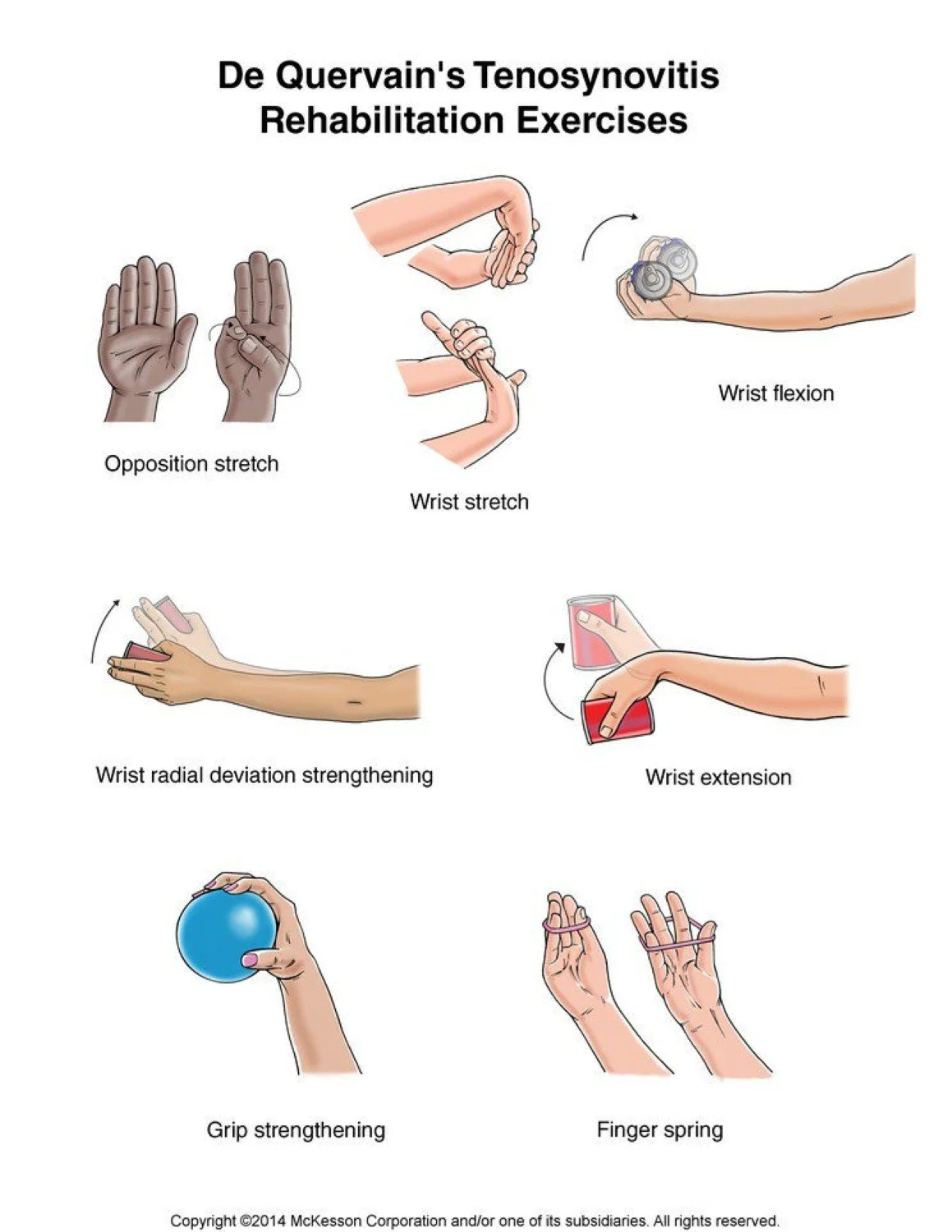
Physical therapy for De Quervain’s focuses on reducing irritation, improving thumb and wrist function, and helping you return to normal activity with less pain.
Treatment may include:
Thumb and wrist mobility work
Tendon gliding exercises
Gentle strengthening
Grip and pinch retraining
Activity modification
Lifting strategy changes
Ergonomic guidance
Manual therapy when appropriate
Bracing or splinting guidance when appropriate
Progressive return to work, sport, or hobbies
Education so you understand what keeps symptoms active
Every plan is personalized to your symptoms, lifestyle, and goals.
Treatment for Parents, Workers, & Active Adults
Thumb-side wrist pain can interfere with:
Lifting a child
Carrying a car seat
Holding a phone
Texting
Typing
Opening jars
Cooking
Cleaning
Writing
Lifting weights
Golf, tennis, or pickleball
Tool use
Gardening
Work duties
We help you find practical ways to reduce irritation without putting your whole life on pause.
Advanced Options for Persistent Thumb and Wrist Pain
Many De Quervain’s cases improve with conservative care, including activity modification, mobility work, strengthening, and symptom management.
Persistent cases may also benefit from adjunctive tools, such as Shockwave Therapy (SWT) and High-Intensity Laser Therapy (HILT) when traditional care has not resolved symptoms, as part of a comprehensive rehab program.
At Tualatin Valley Physical Therapy, we offer:
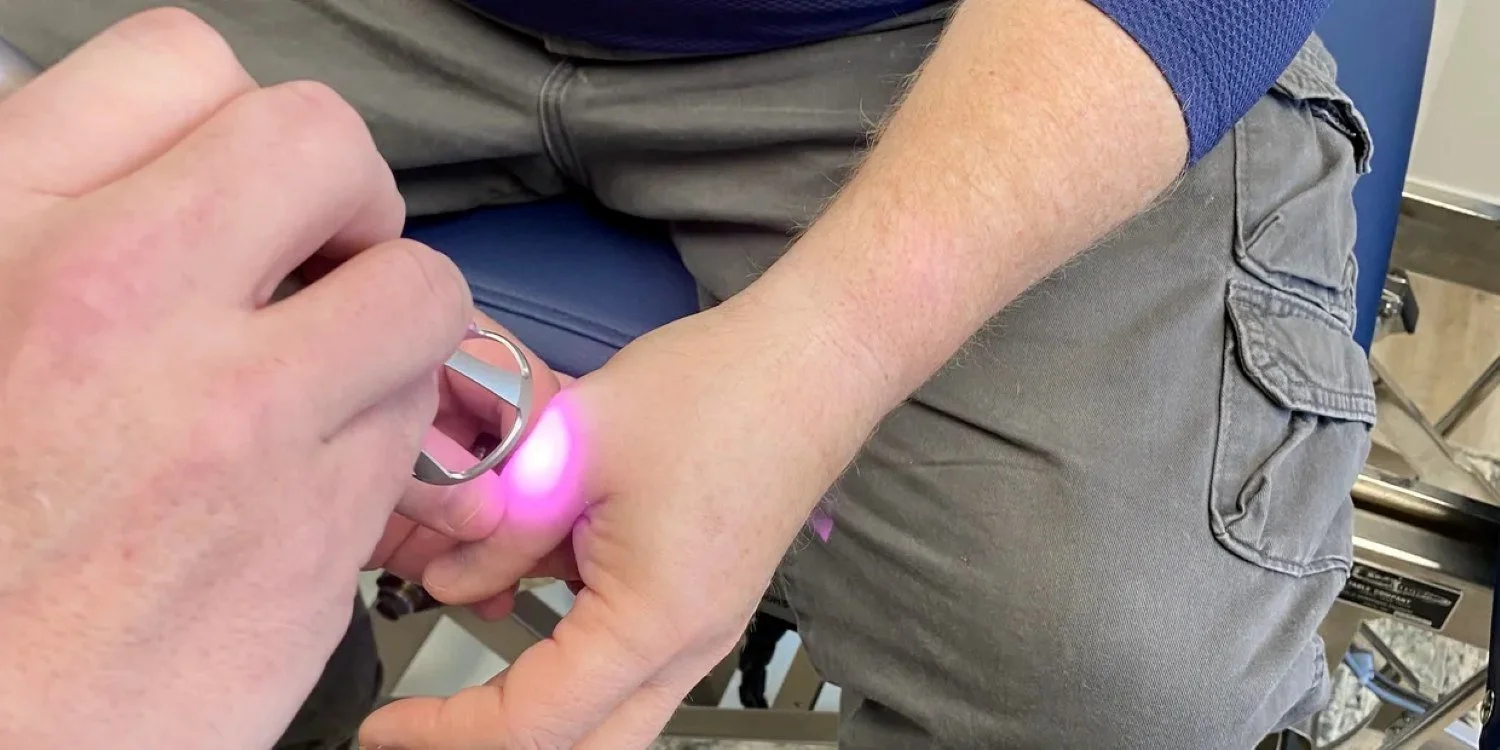
High-Intensity Laser Therapy
High-Intensity Laser Therapy uses light energy to stimulate cellular repair and reduce inflammation.
Laser therapy may help:
Reduce pain
Improve circulation
Accelerate tissue healing
Tolerate loading earlier
Learn more about Laser Therapy →
Why These Work Best With Rehab
Modalities alone are rarely the full answer.
The best results usually come from combining:
Strengthening
Mobility work
Movement retraining
Load management
Staged return to training
That is why we integrate advanced tools into a full rehab plan rather than relying on passive treatment alone.
Compared with prolonged pain, repeated injections, imaging costs, or delayed recovery, ESWT and HILT are designed as focused interventions to accelerate tissue adaptation.
Recovery Expectations
✔ Load progression required
✔ Temporary discomfort is normal
✔ Capacity rebuilding is the goal
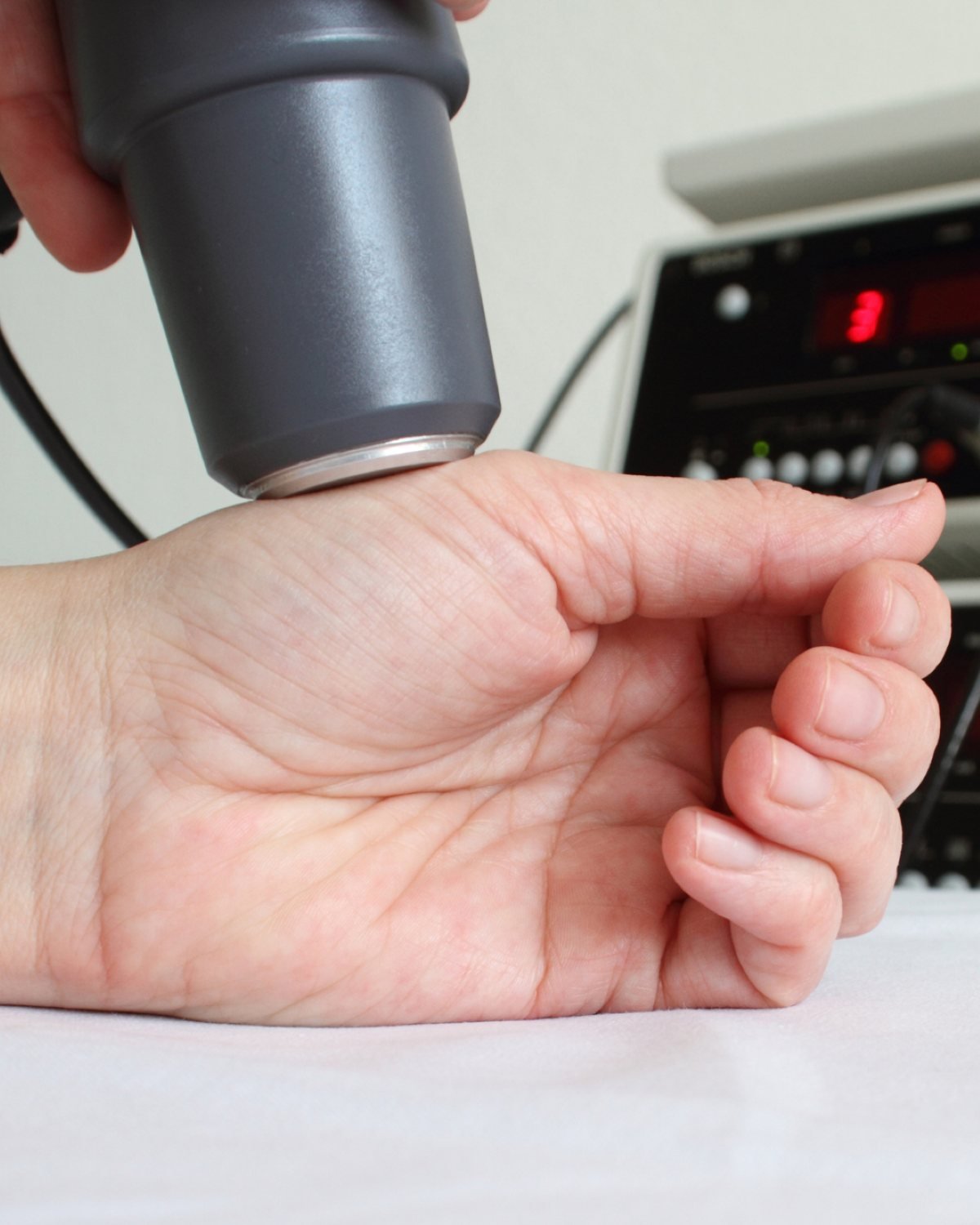
Shockwave Therapy
Shockwave Therapy uses acoustic pressure waves to stimulate healing in chronic muscle, tendon, and ligament injuries.
Research suggests shockwave therapy can help:
Increase blood flow
Stimulate collagen production
Restart stalled healing processes
Learn more about Shockwave Therapy →
Why Choose Tualatin Valley Physical Therapy?
Many people with thumb and wrist pain are told to rest, brace, or wait it out.
Sometimes that helps. Sometimes symptoms keep returning.
At Tualatin Valley Physical Therapy, your care is different:
One-on-one with a Doctor of Physical Therapy
Full sessions focused entirely on you
No handoffs to aides or techs
Clear explanation of what may be causing symptoms
Personalized care based on your work, hobbies, family demands, and goals
Practical strategies for real life
We help you understand what is happening and what to do next.
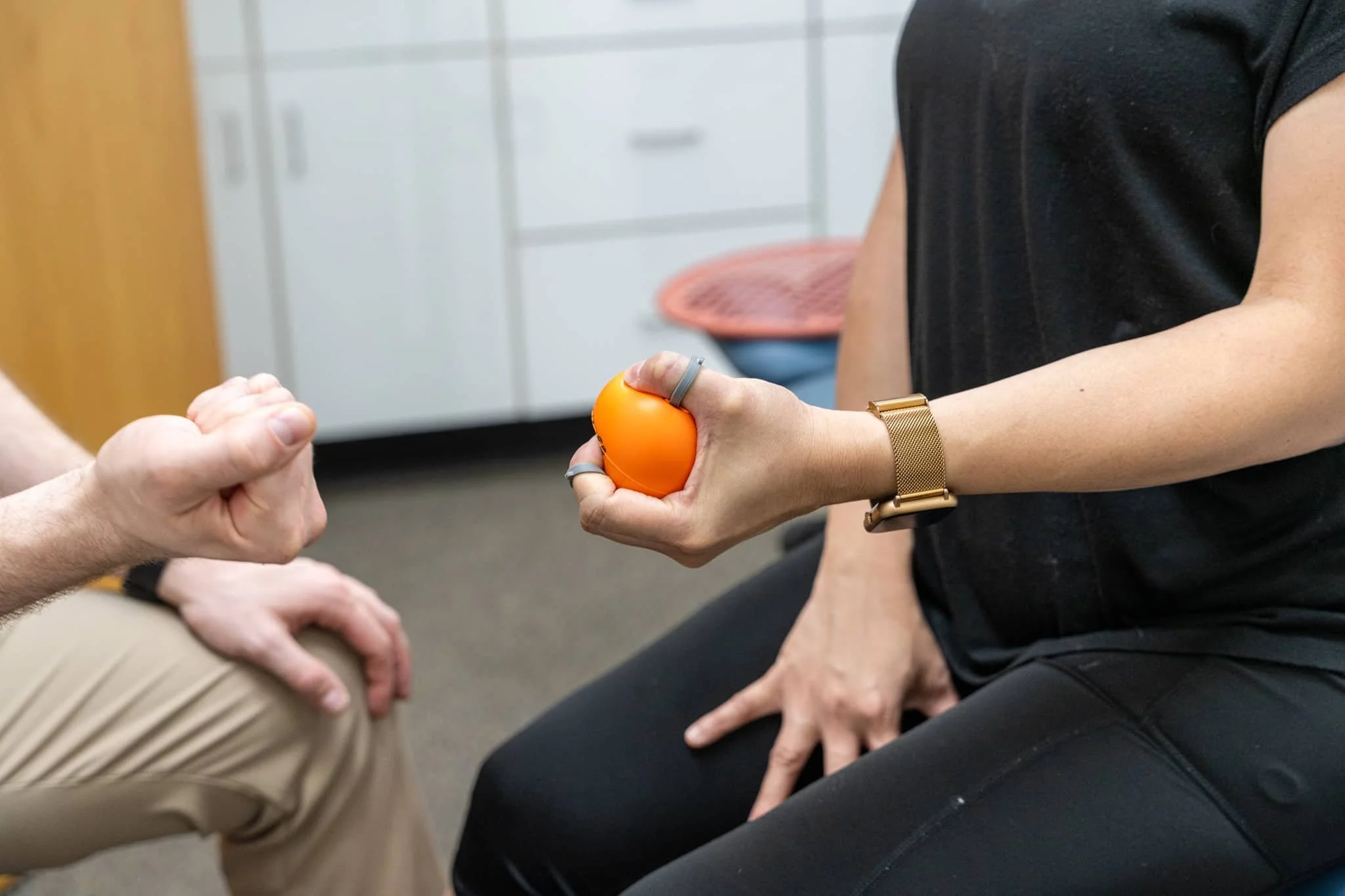
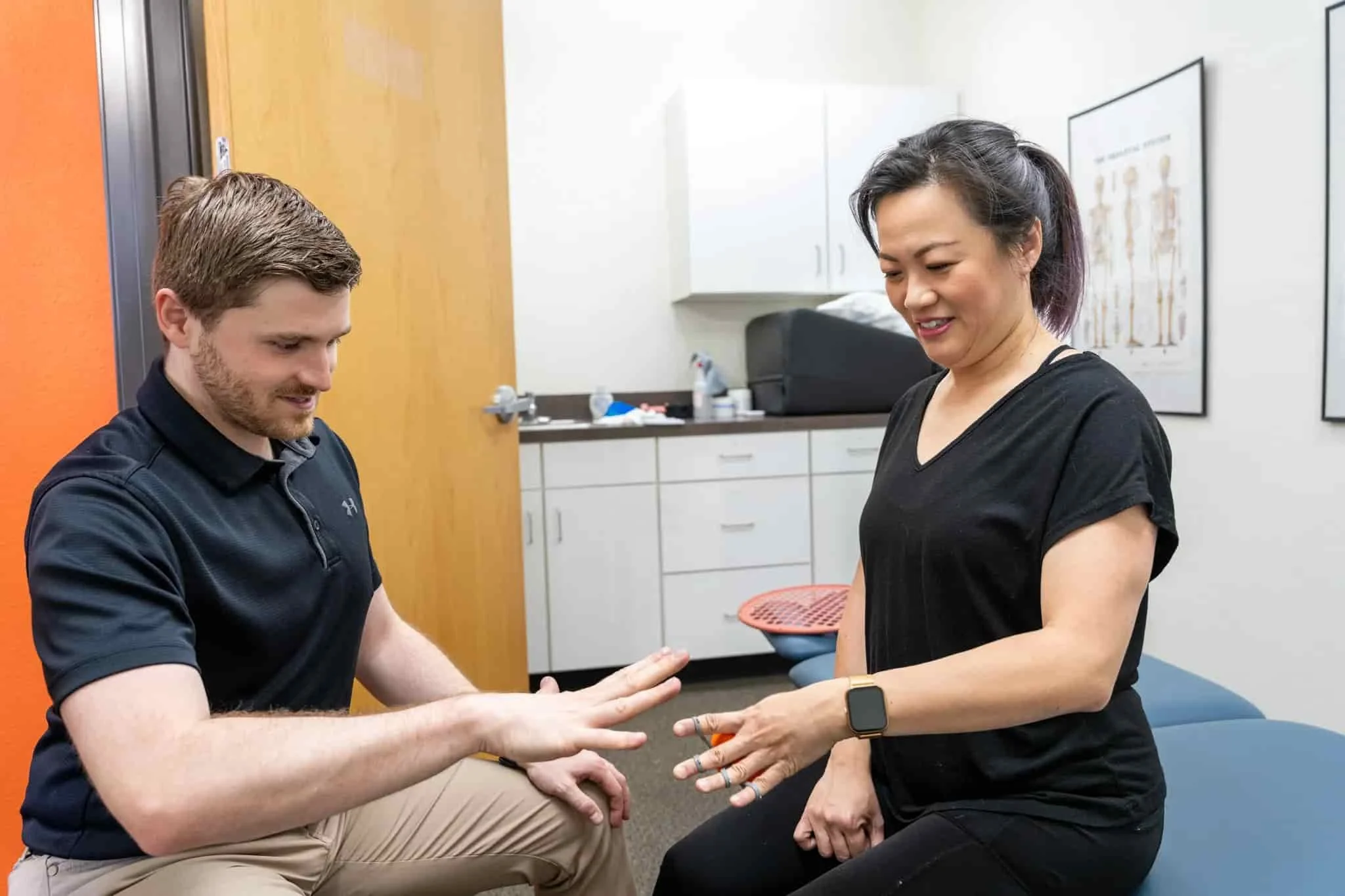
What To Expect at Your First Visit
Your evaluation may include:
Review of your symptoms and daily hand use
Thumb and wrist mobility testing
Grip and pinch strength assessment
Tendon irritation screening
Hand, wrist, elbow, and shoulder movement review when appropriate
Work, hobby, parenting, exercise, or tool-use review
Activity modification guidance
Personalized treatment plan
You leave with clarity and next steps.
When To Get Help for De Quervain’s
Consider physical therapy if:
Thumb-side wrist pain lasts more than 1–2 weeks
Gripping or lifting keeps aggravating symptoms
Texting or phone use hurts
Pain affects work or parenting tasks
Wrist or thumb motion feels limited
Symptoms keep returning after rest
You are avoiding activities you enjoy
You are unsure what is causing your wrist pain
Early care may help reduce irritation before symptoms become more disruptive.
De Quervain’s Physical Therapy in Hillsboro, OR
If you are searching for:
De Quervain’s treatment Hillsboro
Thumb-side wrist pain treatment near me
De Quervain’s tenosynovitis physical therapy
Thumb tendon pain treatment Hillsboro
Wrist pain with gripping therapy
Hand therapy for De Quervain’s
Tualatin Valley Physical Therapy provides personalized one-on-one care designed to help reduce symptoms, improve thumb and wrist function, and restore confidence with daily hand use.
Stop Letting Thumb and Wrist Pain Limit Your Day
You do not need to keep guessing, avoiding gripping, or hoping symptoms disappear on their own.
Get a clear plan and one-on-one care designed to help your hand and wrist function better.
Book your evaluation today.
De Quervain’s Tenosynovitis Frequently Asked Questions
-
De Quervain’s tenosynovitis is irritation of the tendons on the thumb side of the wrist. It commonly causes pain with thumb movement, gripping, lifting, or repetitive hand use.
-
It may be related to repetitive gripping, lifting, thumb use, wrist positioning, tendon irritation, swelling, parenting tasks, tool use, or sudden increases in hand activity.
-
Yes. Physical therapy may help reduce irritation, improve thumb and wrist mobility, restore strength, modify aggravating tasks, and improve hand function.
-
Lifting with the wrist bent or the thumb under load can irritate the tendons on the thumb side of the wrist, especially when repeated often.
-
A brace may help some people, especially during painful activities or rest periods. A therapist can help determine whether bracing makes sense for your situation.
-
No. Many people try conservative care first. More severe or persistent cases may require advanced regenerative modalities, such as shockwave or laser therapy, or additional medical evaluation.
-
Yes. Repeated thumb movement and phone gripping can aggravate symptoms in some people.
-
If thumb-side wrist pain persists, worsens, limits gripping or lifting, or affects daily life, it is reasonable to get evaluated.
Stop Waiting. Start Recovering.
No referrals. No insurance delays. No techs or aides.
Just one-on-one care with a Doctor of Physical Therapy.
Whether you’re dealing with back pain, a sports injury, an auto accident, or a work injury, we make it simple to get started. Same-day appointments available.
Serving Hillsboro, Cornelius, Forest Grove, Aloha, and the greater Tualatin Valley.
Call us today at (971) 238-5755, or click the button below to schedule your initial evaluation online.
Unsure if self-pay physical therapy is for you? Schedule a free 15-minute consultation using the same button!
Our friendly team is ready to guide you on your path to recovery and lasting wellness.
Auto (PIP) Accepted
〰️
Workers' Compensation Accepted
〰️
Out-of-Network Reimbursement Available
〰️
Auto (PIP) Accepted 〰️ Workers' Compensation Accepted 〰️ Out-of-Network Reimbursement Available 〰️
Transparent pricing. Clear plan. No surprise bills.
Experience the TVPT Difference.