Why Stretching Doesn't Fix Heel Pain and What Actually Works
If you've had heel pain for weeks or months, you've probably tried everything. Stretching your calves every morning. Rolling your foot over a frozen water bottle. Icing it at night. And yet... the pain is still there.
You're not doing anything wrong. You've just been given the wrong advice.
The Problem With Stretching
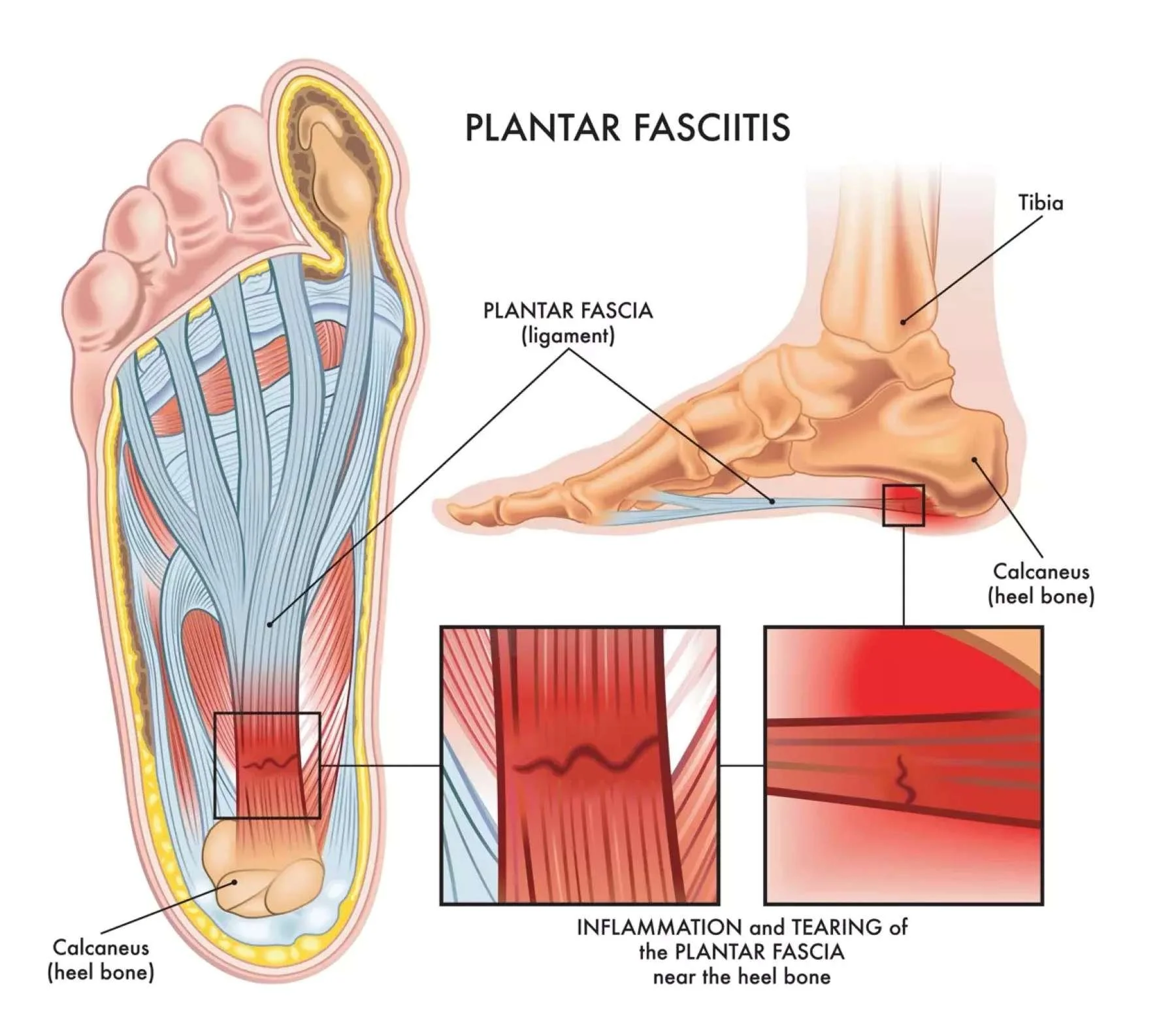
Most people are told that heel pain, often called plantar fasciitis, happens because the tissue on the bottom of your foot is tight. So the fix seems obvious: stretch it out.
But here's the thing. When heel pain sticks around for a long time, the tissue isn't just tight. It's actually a little bit damaged. The fibers that make up that tissue have become weak and disorganized, kind of like a rope that's starting to fray.
Now think about what happens when you stretch a fraying rope. You're pulling on it, adding more strain to fibers that are already struggling. That's often why your heel feels worse after your morning stretch, not better.
Ice and rest don't fully solve the problem either. They can calm things down for a little while, but they don't help your body rebuild the tissue. They just hit pause on the pain.
So What Actually Helps?
Plantar heel pain often becomes persistent because the tissue’s load tolerance hasn’t been rebuilt. Stretching may temporarily reduce tension, but it does not meaningfully improve the plantar fascia’s capacity to tolerate stress.
The real fix isn't about making your foot more flexible. It's about making it stronger.
Here's why that matters: your body rebuilds tissue based on the demands you place on it. When you give the area a safe, steady amount of load and effort, your body responds by building new, healthier tissue in that spot. It even grows new blood vessels to bring in the fuel needed for repair.
This is the opposite of stretching. Instead of pulling the tissue apart, you're teaching it to handle weight and stress again. Slow, controlled strengthening exercises, like calf raises done with control, are one of the best-studied ways to help heel pain heal for good.
Your Foot Isn't Always the Real Problem
Sometimes, heel pain doesn’t come only from your foot. Your foot is part of a chain that includes your ankles, knees, and hips. If your hips are weak, your leg can roll inward when you walk or run, which puts extra stress on your heel.
The same goes for how your ankle moves and how your calf muscles feel. Tightness or restriction anywhere in that chain can quietly push extra work onto your heel every single day.
This is also why heel pain doesn't always respond to home remedies. Sometimes the pain isn't from the fascia at all. It can come from a pinched nerve nearby, which feels very similar but needs a different kind of treatment entirely. A skilled physical therapist knows how to tell the difference.
How Physical Therapy Helps
A physical therapist looks at your whole body, not just your heel. Treatment usually includes:
Hands-on therapy to release tight, overworked muscles in your calf and ankle, easing the pull on your heel.
Improving movement in stiff ankle and foot joints so your whole foot works the way it's supposed to.
Strengthening exercises for the small muscles in your foot and the muscles in your hips, so your whole leg supports you properly.
A personal plan that slowly and safely loads the tissue so it can rebuild itself, instead of just masking the pain.
Supports like orthotics or taping can help in the meantime. Think of them as training wheels. They take some pressure off while your foot gets stronger, but they aren't meant to be a permanent fix.
The Bottom Line
Real healing comes from rebuilding your foot's strength, not from stretching it further. Most people who commit to the right kind of strengthening program see real, lasting improvement within six to twelve weeks.
If you've been stuck in the ice-and-stretch cycle with no results, it might be time for a different approach. At Tualatin Valley Physical Therapy, you'll get one-on-one care with a Doctor of Physical Therapy who looks at the full picture, from your hips down to your toes, to find out what's really causing your pain.
We're here to remove every barrier between you and the recovery you deserve. Give us a call today to get started.
Learn how plantar fasciitis is treated at Tualatin Valley Physical Therapy → Plantar Fasciitis