Build Strength With Prehab PT to Optimize Post-Op Recovery
Facing surgery can feel overwhelming.
Most people focus on what happens during surgery… but the biggest factor in your recovery actually starts before it ever happens.
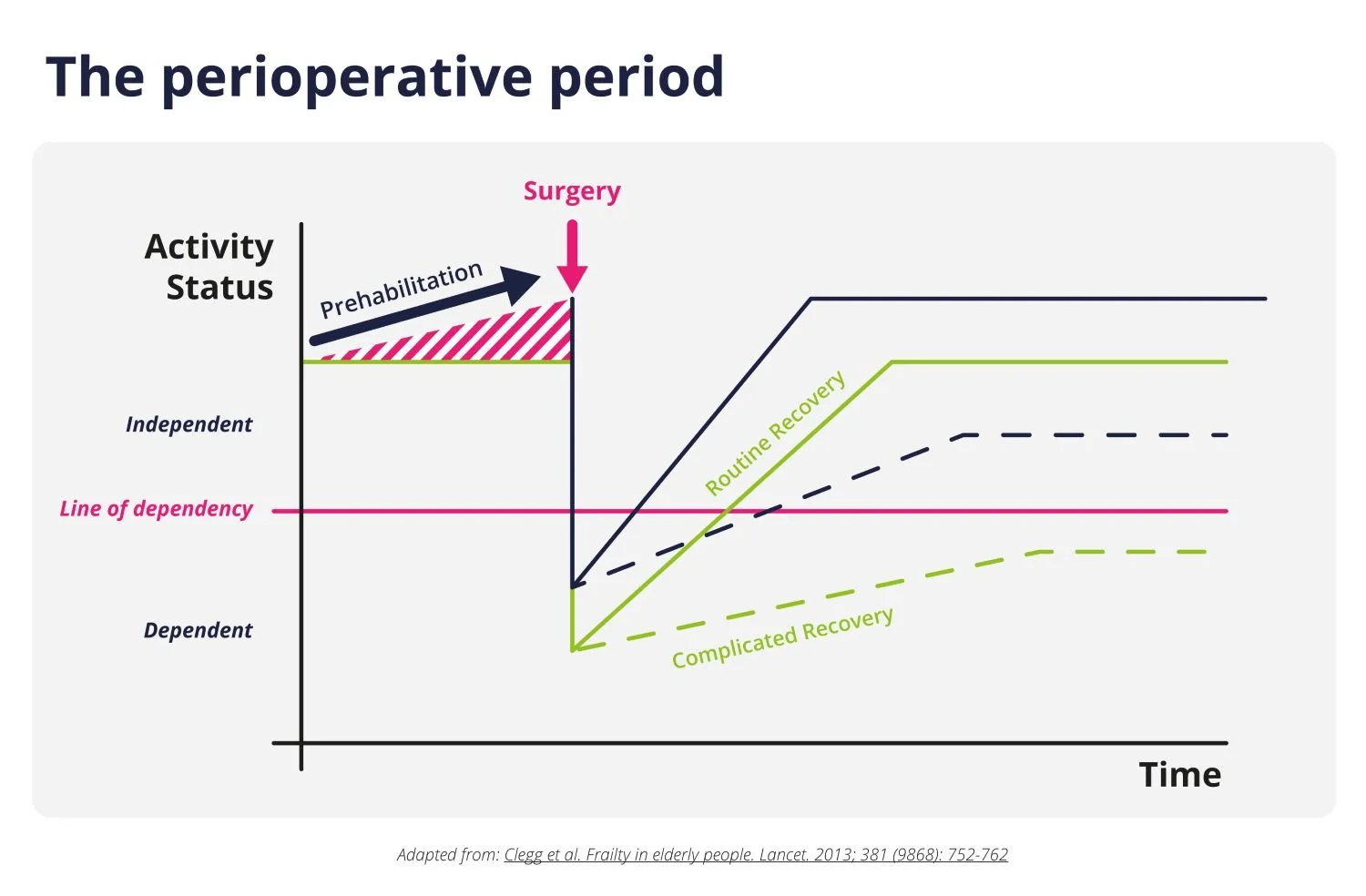
It’s called prehabilitation (prehab), and it can dramatically change your outcome.
Faster recovery
Fewer complications
Better long-term results
Why “Resting Before Surgery” Isn’t the Best Strategy
Traditional advice often sounds like:
“Take it easy and rest before surgery.”
But here’s the reality, a body that goes into surgery deconditioned and weak:
Loses muscle faster
Struggles with mobility after
Has a higher risk of complications
Takes longer to recover
Prehab flips that approach.
Instead of waiting to recover… you start preparing your body now!
What is Prehab?
Prehabilitation is a custom physical therapy program done before surgery to help your body:
Build strength
Improve mobility
Increase endurance
Prepare for recovery
Think of it like this:
Surgery is the stress
Prehab is your preparation
What Happens to Your Body After Surgery (And Why It Matters)
After surgery, your body goes through:
Pain and inflammation
Reduced movement
Muscle loss (fast)
Decreased strength and endurance
This creates a tough cycle:
Pain → less movement → more weakness → slower recovery
Prehab helps you start ahead of that cycle
The 5 Biggest Benefits of Pre-Surgery Physical Therapy
1. Faster Recovery
Stronger muscles = easier movement after surgery
2. Less Strength Loss
You start from a higher baseline
3. Fewer Complications
Including risks like:
Blood clots
Pneumonia
Excessive deconditioning
4. Better Mobility After Surgery
Especially for:
Knee replacements
Hip replacements
Shoulder surgeries
5. More Confidence Going Into Surgery
You know what to expect and how to handle it
What Does Prehab Actually Look Like?
Prehab isn’t random workouts.
It’s a targeted, personalized plan based on:
Your surgery
Your current strength and mobility
Your goals
The 4 Pillars of Prehab PT
1. Strength Training
Builds support around joints and surgical areas
2. Mobility Work
Improves range of motion before restrictions occur
3. Balance & Control
Reduces fall risk and improves movement quality
4. Breathing & Endurance
Supports healing and reduces complications
Prehab for Common Surgeries
Knee & Hip Replacement
Quad + glute strengthening
Range of motion work
Walking prep
Shoulder Surgery (Rotator Cuff, etc.)
Scapular stability
Rotator cuff activation
Controlled mobility
Spine Surgery
Core stability
Posture training
Movement education
ACL/Ligament Repairs
Strength symmetry
Swelling control
Movement mechanics
The Hidden Advantage: Starting Recovery Early
Here’s what most people don’t realize: Prehab = early rehab
You’re not waiting weeks to start getting better.
You’re already building:
Strength
Movement patterns
Confidence
The Psychological Edge
Prehab doesn’t just help physically.
It helps you:
Feel in control
Reduce anxiety
Know what to expect
Trust your recovery process
That alone can change outcomes.
What to Expect at Your First Prehab Visit
At Tualatin Valley Physical Therapy, we’ll:
✔ Assess strength, mobility, and movement
✔ Identify weak links
✔ Build a personalized plan
✔ Teach you exactly what to do before and after surgery
The Bottom Line
Surgery is only part of the process.
Recovery is where outcomes are decided.
And recovery starts before surgery, not after.
Want a Faster, Stronger Recovery?
At Tualatin Valley Physical Therapy, we help you:
✅ Prepare your body before surgery
✅ Recover faster after
✅ Avoid setbacks and complications