


Trigger Finger Pain Rehab Treatment in Hillsboro, OR
Finger catching, clicking, locking, or stiffness? Let’s help your hand move better again.
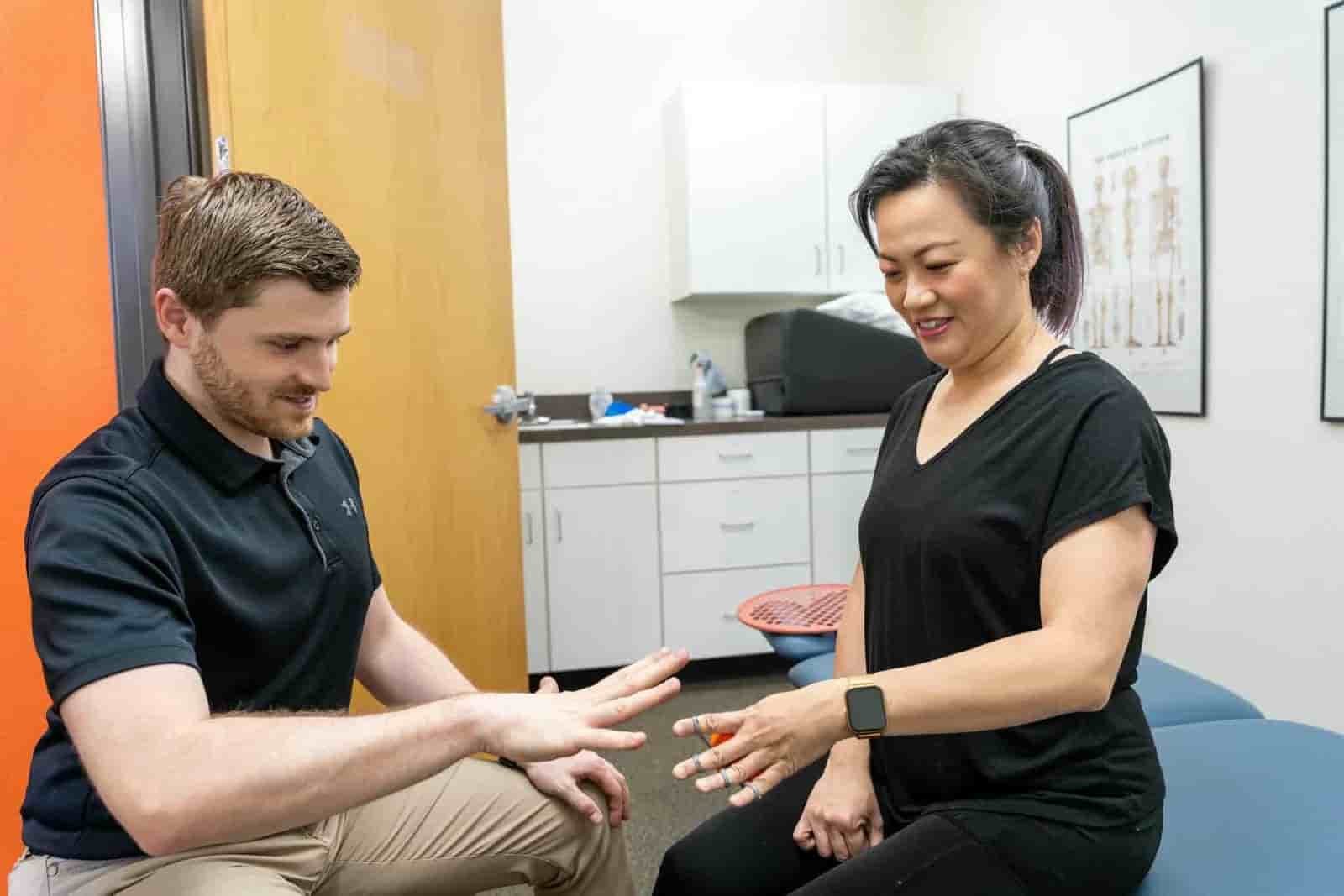
Trigger finger can cause a finger or thumb to catch, click, lock, or feel stiff when bending or straightening. At Tualatin Valley Physical Therapy, we provide one-on-one hand and finger rehab to help reduce irritation, improve mobility, restore strength, and support better daily function.
Finger Pain Can Make Simple Hand Use Frustrating
At TVPT, you can expect:
✔ One-on-one with a Doctor of Physical Therapy
✔ Full private sessions
✔ No techs or aides
✔ Personalized hand, wrist, and finger rehab
✔ Same-day appointments when available
What Is Trigger Finger?
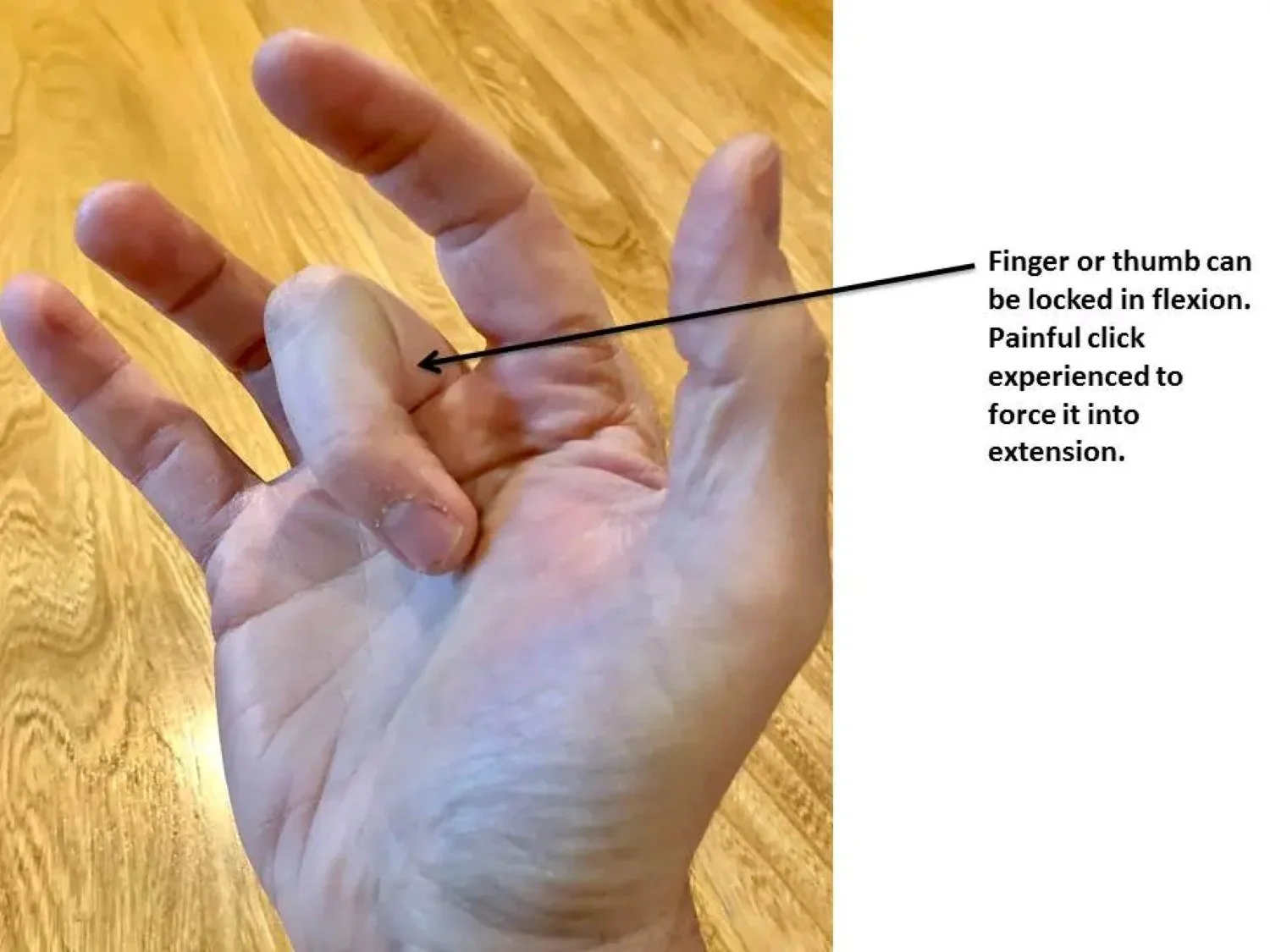
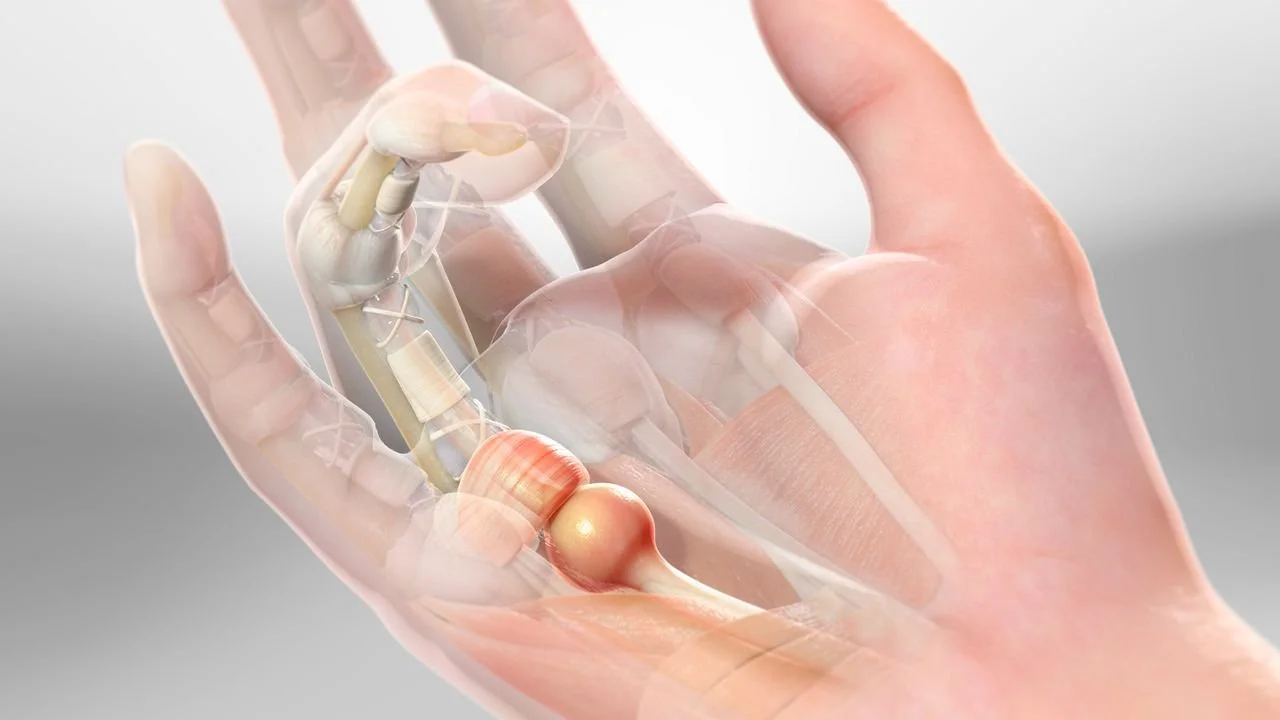
Trigger finger, also called stenosing tenosynovitis, is a condition where a finger or thumb has trouble gliding smoothly as it bends and straightens.
It often occurs when the tendon or its surrounding sheath becomes irritated, thickened, or sensitive. This can create catching, clicking, stiffness, locking, or finger pain.
Trigger finger can affect:
The thumb
Index finger
Middle finger
Ring finger
Small finger
One or multiple fingers
Some people notice mild catching. Others may have a finger that locks and requires manual straightening.

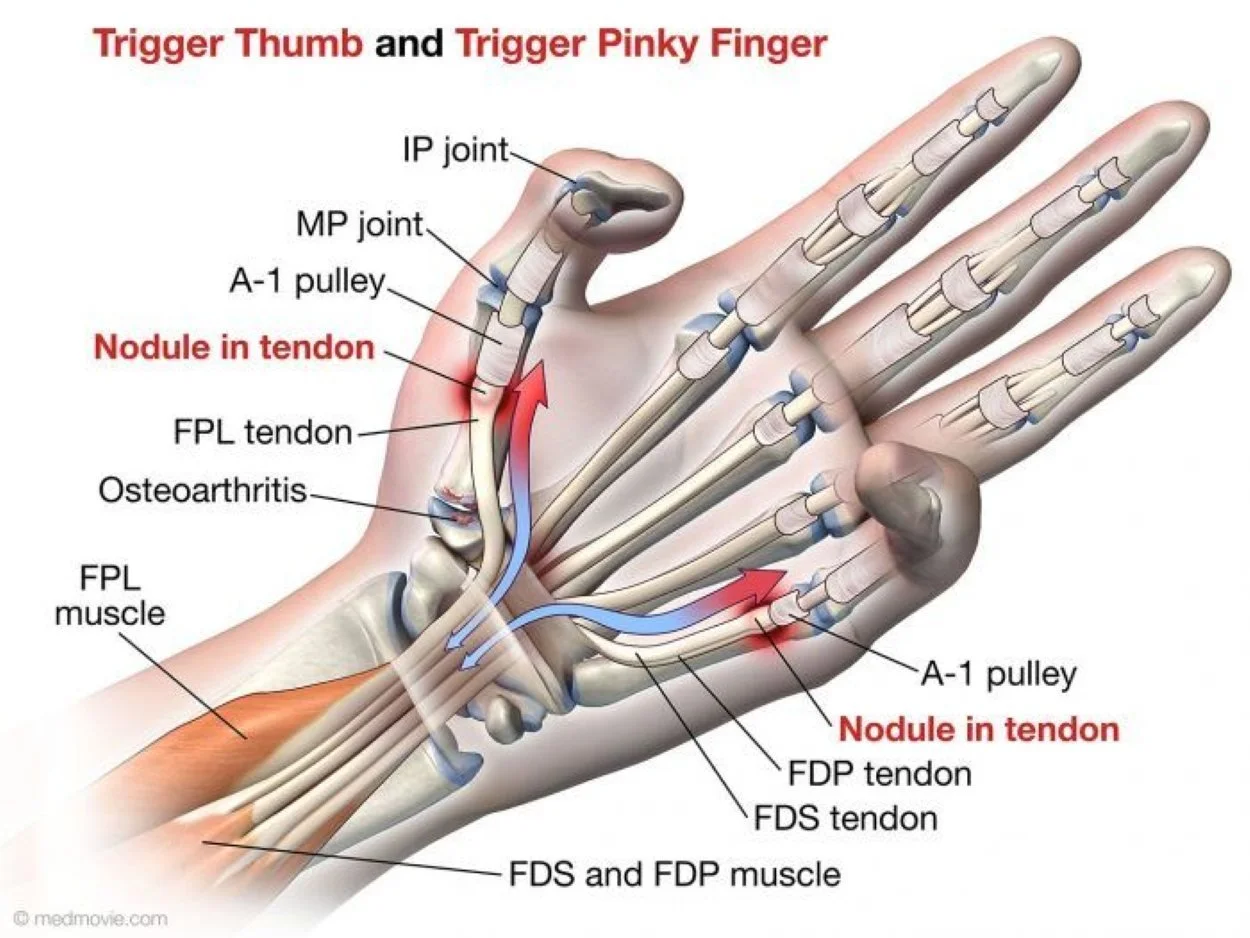
Common Trigger Finger Symptoms
Trigger finger may cause:
Finger clicking
Finger catching
Finger locking
Finger pain
Stiffness in the morning
Discomfort at the base of the finger or thumb
Difficulty making a fist
Straightening the finger is a painful obstacle
Tenderness in the palm
Swelling or a small nodule near the tendon
Grip discomfort
Symptoms that worsen with repeated gripping
Symptoms are often worse first thing in the morning or after heavy hand use.
What Causes Trigger Finger?
Trigger finger often develops when the finger flexor tendon becomes irritated as it moves through the pulley system in the hand.
Common contributing factors may include:
Repetitive gripping
Tool use
Heavy use of your hand
Gardening
Lifting
Manual labor
Prolonged gripping during exercise
Tendon irritation
Hand stiffness
Inflammation or swelling
Certain medical conditions that affect tendon health
Sometimes trigger finger appears without one obvious cause.


Is Trigger Finger Serious?
Trigger finger is common, but it should not be ignored if symptoms are worsening.
Early symptoms may include mild clicking or stiffness.
More advanced symptoms may include:
Frequent locking
Painful catching
Difficulty opening the hand
Reduced grip confidence
Avoiding normal hand use
A physical therapy evaluation can help determine how irritable the finger pain is and what conservative steps may be appropriate.
If symptoms are severe or the finger is completely locked, additional medical evaluation may be necessary.
Why Trigger Finger Is Often Worse in the Morning
Many people notice their fingers catch or lock more in the morning.
This may happen because:
The hand has been still overnight
The tendon is irritated after repeated daily use
Fluid or swelling may be more noticeable after rest
Stiffness makes tendon gliding harder at first
Morning symptoms are common and can also indicate that the tendon may need support.

How Physical Therapy Helps Trigger Finger
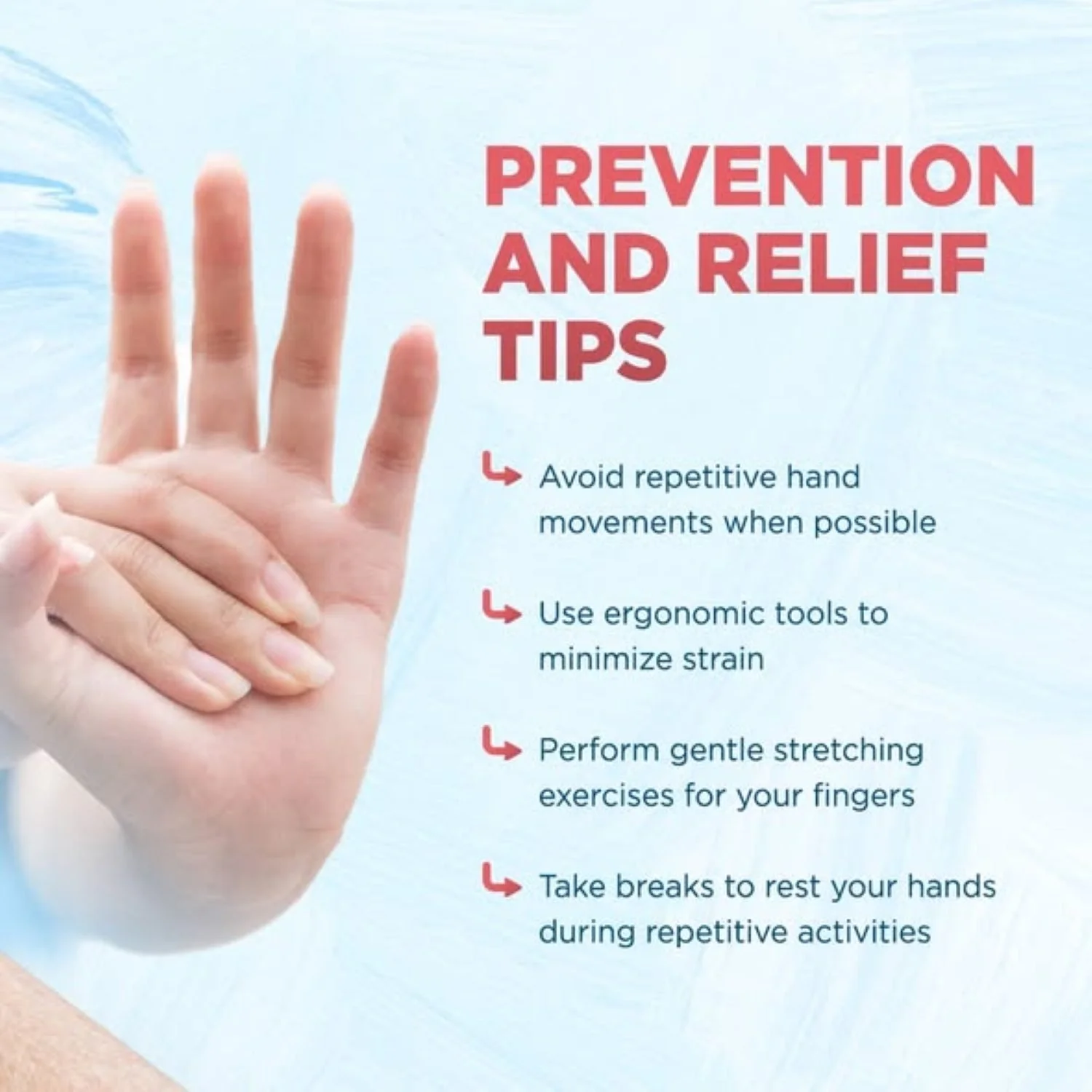
Physical therapy for trigger finger focuses on reducing irritation, improving tendon gliding, restoring finger mobility, and helping you use your hand with less aggravation.
Treatment may include:
Tendon gliding exercises
Gentle finger mobility work
Hand and wrist strengthening when appropriate
Activity modification
Grip-load management
Manual therapy when appropriate
Education on avoiding repeated irritation
Splinting or bracing guidance when appropriate
Return-to-work, sport, or hobby strategies
The goal is to improve motion and function while reducing the repeated irritation that keeps symptoms active.
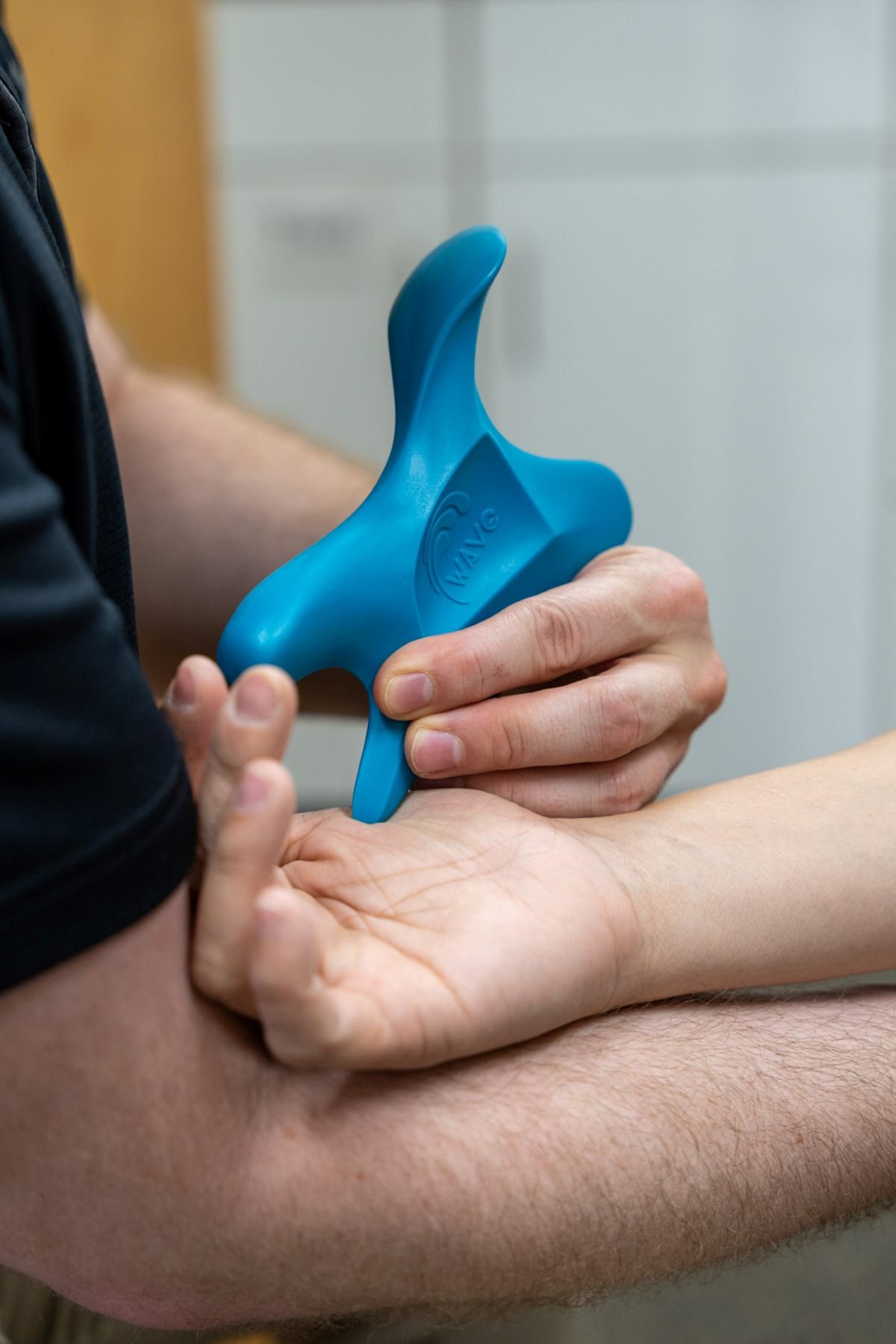
Trigger Finger Treatment for Work, Fitness, and Daily Life
Trigger finger can interfere with:
Gripping tools
Lifting weights
Opening jars
Writing
Cooking
Gardening
Typing
Playing instruments
Golf, tennis, pickleball, or climbing
Carrying groceries
Handshakes
Sleep comfort
Daily independence
We help you build a plan based on what your hands actually need to do each day.
Advanced Options for Persistent Finger and Hand Pain
Many trigger finger cases start with conservative care such as activity modification, mobility work, tendon gliding, and symptom management.
Persistent hand, tendon, or finger pain or irritation may also benefit from adjunctive tools, such as Shockwave Therapy (SWT) and High-Intensity Laser Therapy (HILT), when traditional care has not resolved symptoms, as part of a comprehensive rehab program.
At Tualatin Valley Physical Therapy, we offer:
High-Intensity Laser Therapy
High-Intensity Laser Therapy uses light energy to stimulate cellular repair and reduce inflammation.
Laser therapy may help:
Reduce pain
Improve circulation
Accelerate tissue healing
Tolerate loading earlier
Learn more about Laser Therapy →
Why These Work Best With Rehab
Modalities alone are rarely the full answer.
The best results usually come from combining:
Strengthening
Mobility work
Movement retraining
Load management
Staged return to training
That is why we integrate advanced tools into a full rehab plan rather than relying on passive treatment alone.
Compared with prolonged pain, repeated injections, imaging costs, or delayed recovery, ESWT and HILT are designed as focused interventions to accelerate tissue adaptation.
Recovery Expectations
✔ Load progression required
✔ Temporary discomfort is normal
✔ Capacity rebuilding is the goal
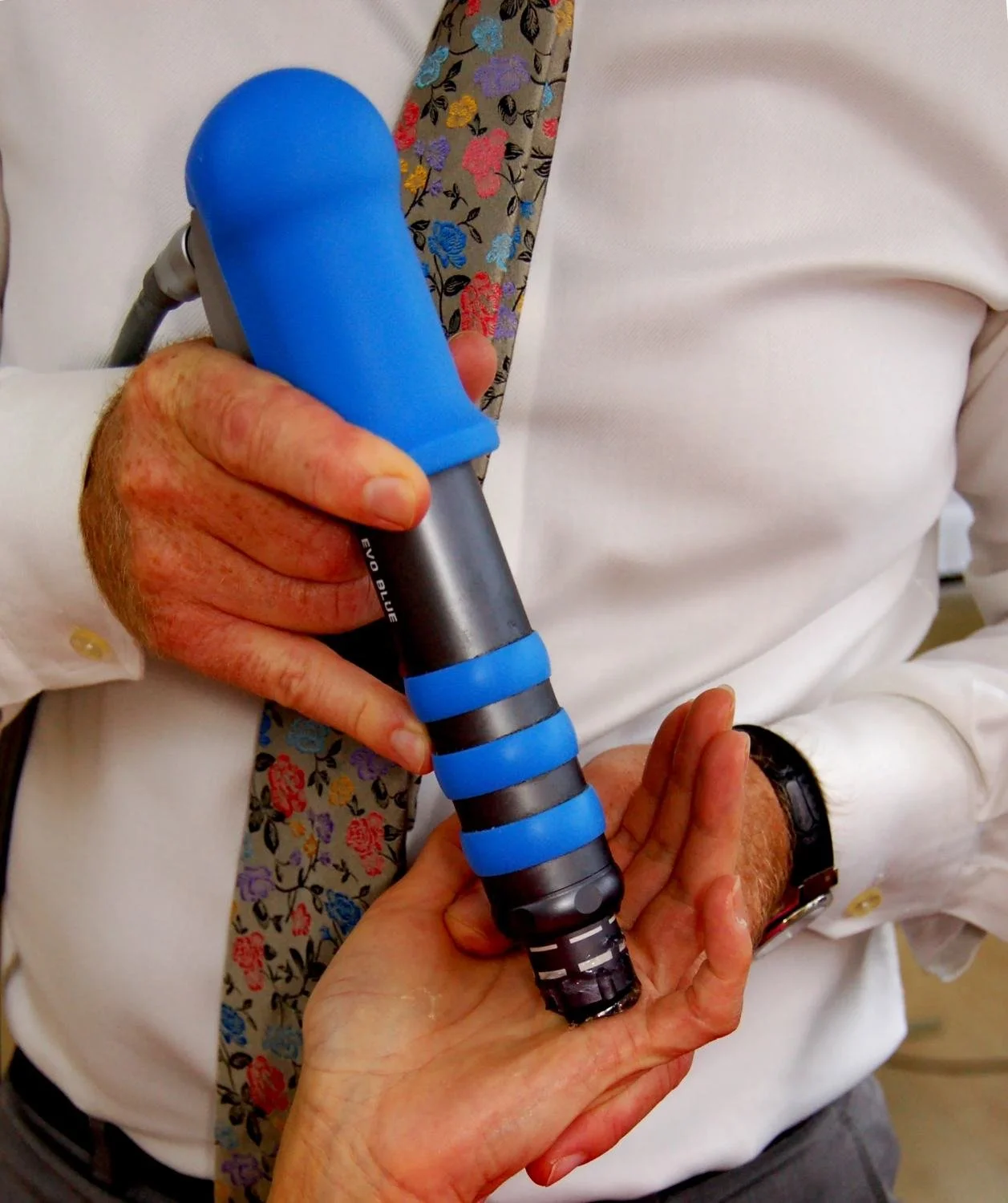
Shockwave Therapy
Shockwave Therapy uses acoustic pressure waves to stimulate healing in chronic muscle, tendon, and ligament injuries.
Research suggests shockwave therapy can help:
Increase blood flow
Stimulate collagen production
Restart stalled healing processes
Learn more about Shockwave Therapy →

Why Choose Tualatin Valley Physical Therapy?
Many people with trigger finger are told to simply rest, wait, or wear a brace.
Sometimes that may help. Sometimes symptoms keep returning.
At Tualatin Valley Physical Therapy, your care is different:
One-on-one with a Doctor of Physical Therapy
Full sessions focused entirely on you
No handoffs to aides or techs
Clear explanation of what may be causing symptoms
Personalized care based on your work, hobbies, and goals
Practical strategies for real life
We help you understand what is happening and what to do next.

When To Get Help for Trigger Finger
Consider physical therapy if:
Clicking or catching lasts more than 1–2 weeks
Symptoms are worse in the morning
Gripping aggravates pain
Your finger locks
Stiffness is worsening
Hand use is becoming limited
You are avoiding work, exercise, or hobbies
Symptoms keep coming back after rest
Early care may help reduce irritation before symptoms become more disruptive.
What To Expect at Your First Visit
Your evaluation may include:
Review of your symptoms and daily hand use
Finger mobility testing
Grip and pinch strength assessment
Tendon gliding assessment
Hand and wrist mobility screening
Work, hobby, exercise, or tool-use review
Activity modification guidance
Personalized treatment plan
You leave with clarity and next steps.
Trigger Finger Physical Therapy in Hillsboro, OR
If you are searching for:
Trigger finger treatment Hillsboro
Trigger finger therapy near me
Finger locking treatment Hillsboro
Finger catching physical therapy
Hand therapy for trigger finger
Trigger thumb treatment Hillsboro
Tualatin Valley Physical Therapy provides personalized one-on-one care designed to help reduce symptoms, improve finger motion, and restore hand function.
Stop Letting Finger Catching and Locking Limit Your Hand Use
You do not need to keep guessing, avoiding gripping, or waiting for symptoms to get worse.
Get a clear plan and one-on-one care designed to help your hand function better.
Book your evaluation today.
Trigger Finger Frequently Asked Questions
-
Trigger finger is a condition where a finger or thumb catches, clicks, locks, or feels stiff when bending or straightening. It is often related to irritation of the tendon or tendon sheath.
-
Trigger finger may be related to repetitive gripping, tendon irritation, swelling, hand stiffness, tool use, or heavy hand use. Sometimes it develops without one clear cause.
-
Yes. Physical therapy may help by improving tendon gliding, reducing irritation, restoring mobility, modifying gripping demands, and improving hand function.
-
Morning symptoms may happen because the finger has been still overnight, the tendon is irritated, or stiffness makes tendon gliding harder at first.
-
A splint may help some people, especially when symptoms are aggravated by repeated gripping or night positioning. A therapist can help determine whether splinting makes sense for your situation.
-
No. Many people try conservative care first, especially when symptoms are mild or moderate. Severe locking, progressive symptoms, or failed conservative care may require further medical evaluation.
-
Yes. Trigger finger can affect the thumb and is often called trigger thumb when it occurs there.
-
If catching, locking, stiffness, or pain persist, worsen, or limit daily hand use, it is reasonable to get evaluated.
Stop Waiting. Start Recovering.
No referrals. No insurance delays. No techs or aides.
Just one-on-one care with a Doctor of Physical Therapy.
Whether you’re dealing with back pain, a sports injury, an auto accident, or a work injury, we make it simple to get started. Same-day appointments available.
Serving Hillsboro, Cornelius, Forest Grove, Aloha, and the greater Tualatin Valley.
Call us today at (971) 238-5755, or click the button below to schedule your initial evaluation online.
Unsure if self-pay physical therapy is for you? Schedule a free 15-minute consultation using the same button!
Our friendly team is ready to guide you on your path to recovery and lasting wellness.
Auto (PIP) Accepted
〰️
Workers' Compensation Accepted
〰️
Out-of-Network Reimbursement Available
〰️
Auto (PIP) Accepted 〰️ Workers' Compensation Accepted 〰️ Out-of-Network Reimbursement Available 〰️
Transparent pricing. Clear plan. No surprise bills.
Experience the TVPT Difference.